
At a Glance: RV LIFE Podcast Episode 162
Plan a smarter RV trip to Washington DC for America 250 with tips from Cherry Hill Park on public transportation, tours, museums, and summer travel realities. Learn practical cybersecurity habits for RVers from RV WebSafe, including safer Wi-Fi use, passwords, scams, and banking alerts. You’ll also hear how One Dad’s Mission supports Ronald McDonald House through a cross-country bike ride. And get an update from RVing Today as the show enters its 16th season with new tech segments and broader TV coverage.
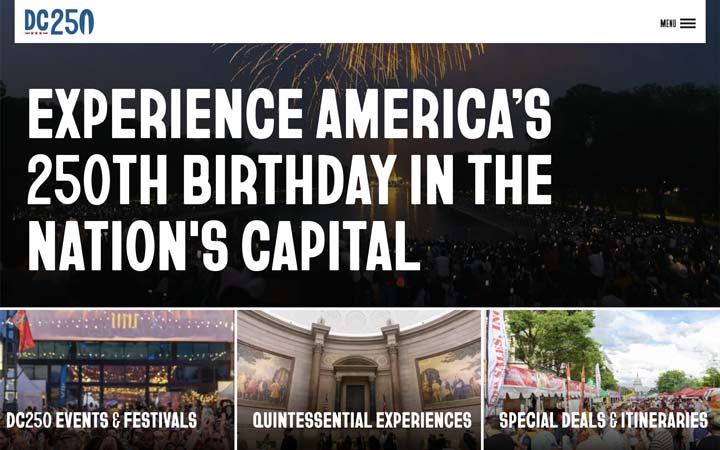
Washington, DC is about to become one of the busiest RV travel destinations in the country for America 250. If you’re thinking about going, this episode starts with what you need before you book: where to stay, how to get into the city without fighting traffic, why timed museum tickets matter, and how to stay realistic about summer heat, walking, and crowds.
Then the episode shifts to another travel risk RVers often ignore until it costs them: online safety on the road. Robert Mahaffey from RV WebSafe explains what can go wrong with campground Wi-Fi, scam texts, weak passwords, credit card skimmers, and remote work security when your office, bank, and travel plans are all running through your devices.
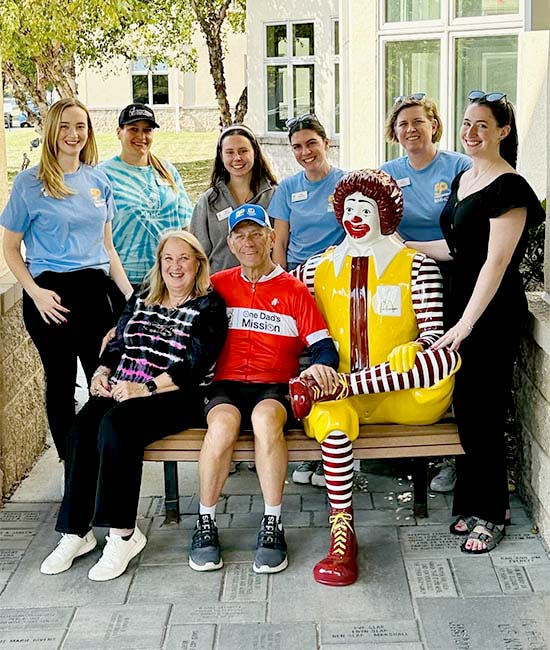
You’ll also hear Jeff Bekos share the story behind One Dad’s Mission, born from his family’s 254-day stay at the Philadelphia Ronald McDonald House during his daughter Haley’s health crisis.
The episode wraps with Jose Moniz of RVing Today, previewing the show’s 16th season, new segments, expanded coverage, streaming options, and the upcoming Tech Time segment with Jessica Rider.
Listen in for practical trip planning, safer online habits, a powerful RV community story, and a look at what’s next in RV media.
DC 250 by RV, Cyber Safety, and One Dad’s Mission RVing Today
Top Reasons to Listen Now
- Travel: Learn how to plan an RV trip to Washington DC for America 250 without driving your rig into city traffic.
- Lifestyle: Get practical cybersecurity tips for safer banking, browsing, remote work, and campground Wi-Fi use on the road.
- The RV Entrepreneur: Hear how Jeff Bekos turned his family’s Ronald McDonald House experience into One Dad’s Mission.
- News: Find out what’s new with RVing Today as it enters season 16 with wider coverage and new tech segments.
RESOURCES MENTIONED

Be A Guest or Share Your Story!
https://podcast.rvlife.com/contact
Listen to the RV LIFE Podcast Episode #162
Listen and subscribe to The RV LIFE Podcast on Spotify or in your favorite podcast app. Or, read the full episode transcript below. Leave a comment, or contact us with any questions or feedback.
Connect & Learn More
- https://podcast.rvlife.com/about
- https://facebook.com/rvlifepodcast/
- https://instagram.com/rvlifepodcast/
- https://www.facebook.com/groups/rvlifemovement
Got a great story or tips to share with listeners? Leave us a voice message!
(NOTE: Audio submitted may be published on the podcast unless specifically requested otherwise.)
DC 250 by RV, Cyber Safety, and One Dad’s Mission RVing Today
RV LIFE Podcast Episode #162 Full Transcript
JIM: And we’re back…
RENE: Hold on there, Jim. You know, one thing I love about this episode is that every discussion touches on something RVers actually deal with, but from totally different angles.
JIM: Exactly. We’ve got trip planning, online safety, family tragedy turned into a personal mission, and even a little behind-the-scenes look at RVing media.
RENE: Hi, I’m Renee at RV Life.
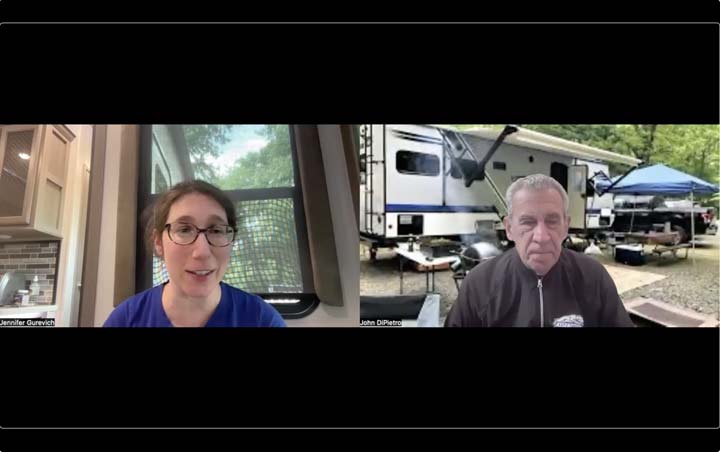
JIM: And I’m Jim. Thanks for joining us for another ride on the RV Life podcast. Today, John takes us just outside Washington DC where Jennifer Gervich from Cherry Hill Park shares how RVers can experience America 250 without having to battle DC traffic in their rig.
RENE: Then I sit down with Robert Mafy from RV WebSafe to talk about cyber security for RVers. Whether you’re banking, working online, navigating, or just checking email from the road, there are some simple things here you really need to know.
JIM: Rose and Glenn bring us a powerful RV entrepreneur conversation with Jeff Beos, the dad behind one dad’s mission. We’ll hear how his family’s experience with Ronald McDonald House turned into a cross-country effort to raise awareness and give back.
RENE: And Bob catches up with Jose Moniz from RVing Today as the show heads into its 16th season with new segments, broader distribution, and a familiar face joining for RV Tech Tips.
JIM: All right, let’s start in one of the top destinations RVers will be thinking about this year, Washington DC.
RENE: With America 250 celebrations happening throughout the year, Washington DC is going to be on the top of travel list for many RVers.
JIM: And DC is one of those places where having the right home base can make or break the trip. Driving a big rig anywhere near the city is not my idea of a relaxing vacation.
RENE: No way. That’s exactly why John is talking with Jennifer Gervich from Cherry Hill Park. It’s close to the city. It’s built for RVers. And they help guests figure out transportation, tickets, tours, and all the little details that can make DC feel overwhelming.
JIM: Here’s John with Jennifer from Cherry Hill Park.
JOHN: Hey everybody, welcome back to the RV Life podcast. This is the destination section. My name is John DiPietro and I have Jennifer Gervich with me and she is at Cherry Hill Park. Did I get that right, Jennifer?
JENNIFER: You did. And thanks for having me.
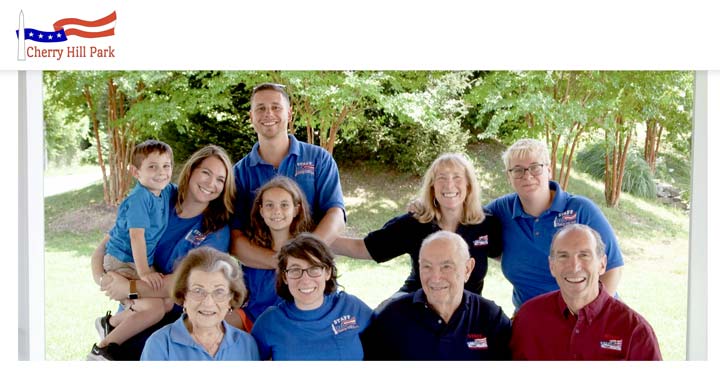
JOHN: You know what? You were right outside of DC. And folks, we could not do an RV Live podcast this year in 2026 without including a trip to America’s capital city, Washington DC. And Jennifer and her family have been there for several generations and everybody has told me that you have one of the premier parks in the entire United States and we want you to tell us more about the park and what we should be expecting when RVers from all over the world in fact converge upon Washington during the summer months. In fact, Jennifer, if I’m if I’m right, they’re they’re already there.
JENNIFER: Yeah, we’ve got people who are coming from all over to see and celebrate DC250 this year. There are events all year long in addition to just the regular awesome things to see in Washington DC.
JOHN: Tell us specifically where your park is in its relation to to the mall in the cap, you know, all the the tourist places.
JENNIFER: We’re about 10 and a half miles outside of Washington DC. There are a number of ways to get from our campground to the city. We typically recommend our metro system, which is really safe, really clean, really easy to use. Some of our guests prefer to Uber. We have some lucky guests who drive down and manage to find a parking spot, but we typically don’t recommend that with our DC traffic, but there’s lots of convenient, easy ways to get from the campground to DC.
JOHN: And you know, I I’ve driven to the through the city on many occasions. And I firmly agree that if you can get into that area, the the tourist area there without a car, you’re much better off.
JENNIFER: Frankly, you can get your RV in a spot and not have to drive at all, not have to drive a centimeter to be able to get to Washington DC. We have buses, we have tour buses, plug in and go.
JOHN: You even have a bus that goes to the metro, right from the park right to the metro.
JENNIFER: We do. The city bus comes in and takes you to the metro. And then we offer an evening tour of the monuments and the mall, which is where it’s it’s really a beautiful area of Washington DC and really unique at night.
JOHN: How many sites and what can you accommodate?
JENNIFER: We have approximately 400 sites and we have spots as big as your RV wants. We can fit, you know, big 45 footers.
JOHN: Yeah. Exactly. 50.
JENNIFER: Exactly.
JOHN: Yep. Yeah. Cuz, you know, a lot of people, they find out if they’re RVing for the first time and they go to a state park or a national park. They weren’t built for the big ones. They were built with, you know, the trees are still too low and sites are too small and that type thing. But it’s it’s good to know that you have modernized with the times.
JENNIFER: We have all the comforts for for RVs, big and small. We have tent sites. We have some rental units. We’ve got it all.
JOHN: Okay. So, tell me about the rental units because you know what? There there are so many people that enjoy the RV lifestyle but for some reason or another don’t want to, you know, there’s too far to drive for a weekend or anything like that. So, people could fly in and stay at your property, right?
JENNIFER: People can do that. We also have a lot of people who will travel with family and so, you know, there they’ll they’ll stay in their RVs and then their family who they’re not campers will stay in our rental units. We have cabins that have, you know, all the comforts. They have, you know, water, electric, air conditioning, full kitchen, full bathroom. We have more rustic units. And then we have a couple what we call cottages, but they’re they’re rental homes for for large gatherings.
JOHN: So, for the months of July and August, reservations are still available.
JENNIFER: We’re still taking reservations. Absolutely. Fourth of July is pretty booked up, but other than that, we’ve got some spots available all year long. And like I said, there’s DC 250 activities going on throughout the year.
JOHN: Throughout the year. Now, what what are the key factors to consider if you’re going to RV to DC as far as other activities that are going on and, you know, finding a central location like your place and then emanating from there on a on a daily basis?
JENNIFER: Yeah. Well, number one is we recommend planning ahead. There are some museums that require time tickets. They’re free museums, but but you have to get tickets ahead of time. And then if you’re interested in actually touring with your representative that you would have to reach out to them in advance.
JOHN: Talk about that because a lot of people are not aware of the fact that there are I don’t know if White House tours are available anymore, but there are tours if you contact your what your senator or your congressman.
JENNIFER: Yes. Yes. We actually I think so you’ll have to forgive me. I’m not in our concierge department, but I believe they recommend contacting your your representatives and then also your senators and then they can help hook you up with whatever guided tours they have access to. So often that would be, you know, the House of Representatives. Sometimes White House tickets are available and sometimes the Supreme Court.
JOHN: Okay. Okay. Cuz I know that we’ve taken that there’s that little subway that goes from I think from one house office building to another and you know and you get to eat in the congressional dining room which you know they’re all public and if my understanding is correct that most of the attractions in Washington are there’s no charge for them. Almost everything is free. It’s paid for by all of our tax.
JENNIFER: We paid for it. Yeah.
JOHN: We paid for it. Yeah. So you might as well come and enjoy it. And that’s where contacting your representative ahead of time or or getting those time tickets allows you to be able to have access to everything that you want. Now, if you are camping with us, we have an entire concierge department that we recommend you either meet with when you first arrive if you have a long enough trip, or you can reach out in advance and they can help set you up with itineraries. They can help recommend specific museums that are going to work for you. They’re going to help if you have to get down there for a tour at a certain time, they’re going to help figure out what time you need to leave the campground. We have that resource available for our campers.
JOHN: Okay? And that’s very important because the area can be pretty well spread out. I mean, if if you want to go to the Air and Space Museum, there’s one downtown in the mall, but the other one where the big stuff is, the Concord, Jet, and etc., they’re out at Dulles airport.
JENNIFER: That’s a really good point. And that’s not even to mention the other great cities nearby. There’s Annapolis, there’s Baltimore, there’s, you know, all sorts of things you can see in the area.
JOHN: Are you seeing an uptick in foreign visitors this year?
JENNIFER: It’s hard for you to tell because they’re not bringing their unit in. No, but they are renting, but we do have we have some groups that come every year. We have a couple groups that come from France. We have a couple groups that come from, you know, sort of like caravan type style. And and I would say I would say this year over last year, yeah, we have seen a little bit of an uptick.
JOHN: If you were to talk to a family and tell them who’ve never been to DC. These are three top attractions that you don’t come unless you’re going to go to these places. Jennifer, what what would you what would you tell?
JENNIFER: Okay, you’re going to ask any DC person and they’re going to give you three different spots. So, these are mine. I would say the Air and Space Museum cuz I’m a science nerd. Okay.
JOHN: Both Air and Space or one over the other.
JENNIFER: I like the one in DC. I like the one in DC. I’d rather see the the rockets that you know went up to space than to see a cool airplane. And then I would say the American History Museum is really really great. And then I would say I can’t pick between the monuments. All the monuments I would say the the monuments surrounding the the Title Basin are all wonderful. Just just going down to the mall, walking around and seeing the monuments. So if all you had was one day, I recommend walking around seeing the monuments, making sure you have access to the Air and Space Museum, and then and then the American History Museum.
JOHN: Yeah. And then some people definitely want to get over to Arlington, or
JENNIFER: Yes. Yes, of course. Arlington’s amazing. There’s also Mount Vernon is really cool. That’s another day trip away. There’s there’s the African-American History Museum is amazing. There’s just it’s, you know, you could spend two, three weeks here and not get to see it all. So, you kind of have to just pick and choose what’s most important to you.
JOHN: Yeah. Now, coming in July or August. Talk about what kind of weather should people expect?
JENNIFER: Hot. You should expect hot and steamy. I recommend t-shirts, lots of sunscreen, hats, cuz you are going to do a lot of walking in DC. No matter how you get from here to there, you will be doing a lot of walking.
JOHN: So, we want to thank you so much. You know, our time goes by so fast, but if people want to find out more about your park, what is the website that they can find out more?
JENNIFER: Our website is www.cherryhillpark.com. And you can also check out dc250.us for special events in the area to figure out what’s going on during the time you want to visit.
JOHN: Jennifer, we want to thank you so much for taking time from your busy day. A lot of people don’t realize that. You know what? When you run an RV park, you don’t just walk around and say hello to people. There’s a lot of things that you have to do and unexpected tasks here and there. And we want to thank you so much for making time to visit with us here on the RV Life podcast. My name is John DiPietro and we want to thank you for being with us today.
JENNIFER: Thank you for having me.
RENE: I really like how Jennifer points out that you can park the RV and not move it again. That’s a huge win for a city like DC.
JIM: Yeah, and I also appreciated her reminder that so many of the museums and monuments are free, but some still require time tickets for advanced planning.
RENE: That concierge help sounds really valuable, too, especially if you’re trying to fit in museums, monuments, tours, and transportation without wasting half the day figuring it out.
JIM: Now, speaking of things RVers need to plan for. Our next segment is about something that’s easy to ignore until something goes wrong. We talk a lot about safe towing, safe camping, and safe travel, but online safety is an increasingly important part of the RV life now.
RENE: Absolutely. We bank from the road. We book sites online, check maps, and work remotely. And many RVers are using campground Wi-Fi, too.
JIM: That’s why I’m glad I had this chat with Robert Mafy. He has a background in law enforcement computer crime investigations and cyber security in the banking industry. And he created RV WebSafe to help RVers understand the risks and protect themselves without making it all sound impossible.
RENE: Here’s Jim with Robert Mafy from RV WebSafe.
JIM: Welcome, Robert. Thanks so much for talking with us today.
ROBERT: Thank you, Jim, for inviting me to your RV Life podcast. I appreciate the opportunity to be on here with you.
JIM: Ditto. We totally appreciate what you’re doing for people out there. And I understand you have extensive experience in cyber security and law enforcement and banking. But tell us a bit about your own RV life and why you decided to start helping RVers protect themselves in this always online world.
ROBERT: Well, one of the things I saw that there was a gap out there when I would go to RV rallies and they would talk about repairing the RV, you know, doing other things, good trips and all this. And so, being with my background, I just thought that there was a lot lacking out there that was available to RVers because you’re traveling across the United States. And you know, you’ve developed a reliance on connected to the internet for banking, communication, mapping, GPS, shopping, or even working remotely, online school. I mean, I can go on. There’s several things that that RVers do while they’re on the road.
JIM: So, you know, online safety, it’s something that everyone and all RVers should be thinking about. Most of us especially those of us working from the road, we bring our own internet access, so we have some sort of Wi-Fi of our own. But some people are still using public Wi-Fi. How is safety more of a concern on the road than in a typical house or office environment? Or is it?
ROBERT: Well, one thing you have to think about, you know, when you’re on the road and you go to some of these campgrounds, you know, they usually offer free open Wi-Fi that you can connect to. And so sometimes you’ve got to think about it this way. Are their security concerns the same as yours? Do they still have the old default password on the router? And then, you know, that’s the thing that you’ve really got to think about what you know, what kind of security you have when you’re connecting. And a lot of that has to do with your ability to make that connection. And you know, I know that now with Starlink, it offers such a great opportunity and you don’t have to worry about if you’re out boondocking, and you want to make that connection because you don’t have to worry about a dead spot with Starlink. Usually you can make that connection.
JIM: All right. So, we’re talking about safety a lot, but what kind of online safety issues or concerns do you see most often our viewers running into? Is it usually scams or hacking or what’s really at risk when you go online these days? Best and worst cases.
ROBERT: All right. So, one of the worst case is identity theft. You’ve gotten a text message from your bank that something’s happened to your banking account. So, how do you rectify that? So, you don’t want to click on the link. I recommend that you don’t click on the link in the text or call the number that’s in the text. You take a little more precaution. I mean, that’s one of the things that you really need to think about. And then if there is something connected to the internet that you need to report, one of the things that I’ve done on my website is I put resources on there, links that’ll help you do an online reporting that’ll benefit you. And then because you travel across the United States and your bank may be in another state, how are you going to interact with that bank to get the proper reporting? And a lot of banks will require you to sign an affidavit that helps further the case when there’s an investigation about theft.
JIM: Okay. Are there preventative measures people can take? I see ads all the time for, you know, I forget the actual name of what the service is, but ID protection, those sort of things. Is there any sort of things you recommend or recommend not doing out there when you hear about these services? Is there preventative measures people can take?
ROBERT: Well, one thing that you can do with banking and credit cards is set up alerts. So, they alert you when there’s charges to your account. And that one thing that really benefits you. It really helped my wife one time when she was playing pickleball and somebody broke into her car where it was parked out there and got her credit cards. And while she was still playing pickleball, the bank contacted her and said, “Hey, did you just charge $2,000 worth of gift cards at Sam’s?” You know, it was kind of funny because she’s playing pickleball with her sister out there and she said, “No, can you cancel that account?” And so that was one of the things that you need to really set up. Another thing that RVers you travel from state to state and you go use gas pumps. I one thing I talk about all the time is people on mom and pop gas stations, they’ll usually put skimmers on the outside pumps way away from the front window of the store. So I always advise people, hey, use the gas pumps in front of the store to avoid the skimmers because when you use that credit card or debit card at the gas pumps, you know, they can steal your username and password, your PIN number, and then put additional charges on that card. So, that’s one thing as an RVER when you travel that you need to think about.
JIM: So, paying more attention to the gas pumps, these skimmers and paying attention to them, I’m often looking at the pump to make sure these skimmers, you call them, they’re put there by nefarious actors that actually interface between you and the gas retailer. So, it’s a physical device. Is there a way to identify them?
ROBERT: Well, some of the devices are really slick. One of my links on the websites I also do a blog on my website and I usually post things that are ongoing or current and one of the things that happens is these devices are so slick they slide into the slot and you do not know and then they have to have a camera where you punch in your pin. So when I go to ATMs, my wife laughs at me all the time. I go to ATMs and I’m grabbing the devices that I’m going to put the card in and I’m pulling on it, tugging on it, make sure it’s attached and not just temporarily glued on there. But usually to retrieve the data that’s stored on the device, they just pull up to it and Bluetooth into it and download all the data and that gives them the opportunity to go out and utilize your credit card.
JIM: So aside from, you know, being aware at gas stations and putting some alerts on your bank account. Are there other simple steps RVers can take to stay safer online while traveling, whether it’s through their accounts or their own hardware?
ROBERT: Well, one thing that everybody should consider is always secure your device. Update the software on the computer or the smartphone and the apps that are on there. That’s one of the biggest things that I always tell people is update the latest virus protection that’s on your laptop or your smartphone and then also enable multi-factor authentication because that will help you two-factor authentication whether it’s biometric or code that is sent to you on a separate phone that’s some simple things that you can do the very basic simple thing that you can do is make a strong password and I harp on this way too much but you can also when you use strong passwords I always give people tips and things and let them know, hey, don’t reuse the same password on several accounts. One safe password that you can use is the dog runs far today. It’s a statement that you’re familiar with that you use all the time and then you can add like an exclamation point and a number at the end, something like that. That gives you a way to remember that password, but it’s longer. The longer the password, the harder is it to get in there into the account and then don’t provide your personal information over the phone to or on the computer unless it’s a trusted source. I mean, it’s somebody you know, I get texts all the time that says, “Hey, we’re going to meet today and I sure would like for you to come” or “Hey, who are you?” or things like that and I always block those. I don’t ever I get those all the time. But, I mean, make sure like when you get a text from the bank. Usually the banks, they won’t text you like that. They’ll send you an alert in the app usually and that app will alert you that hey, you got a message in there. And so that’s one thing that you could think about. And then another thing is, you know, I tell this to people all the time. If it sounds too good to be true, it usually is. So criminals, malicious actors, they will use confidence tactics or pressure tactics trying to get you to give up your money or private information. If someone says to you, “Act now. Don’t hang up. Only say what I tell you to say. Don’t trust anyone. Do this or you will be arrested. Move your money to protect it. Buy gift cards. Go to a Bitcoin ATM.” And we call that a clue in investigations.
JIM: That’s for sure. And that’s some good tips there. One thing I always do if I get a slightly suspicious email or text I’m not going to reply. I’m not going to click. I’m going to log into that account and see if I have notifications because they’re going to notify through my account and then I know I’m dealing with the source. So, any other suggested measures there for identifying suspicious activity in this world of AI? People are faking stuff so much that you might think it’s your friend. What can we be on the lookout for?
ROBERT: Well, I’ll give another example. One morning I was leaving going to work. I kissed my wife goodbye. She left and she’s a schoolteacher. She’s retired now. And I’m at work and I’m sitting there on my computer and I’m logging in to work and doing a whole bunch of stuff. And all of a sudden, I get an email and it’s from her on her email account and it said, “Hey, I am trapped and I can’t get out of London, England. Can you send me $2500?” So, I had to call my wife and tell her, “Hey, you need to reset your password on your account because somebody has accessed your account. They’ve gotten your password. Somehow they’ve hacked Yahoo or whatever account it was and you need to reset your password and then look in your sent folder and see who all got that message and then alert them that this is all fake.”
JIM: It’s about being aware of these things. But I wonder are there ways that RV travel or remote work changes online security compared to being at home with your wired router? Either in terms of risks or safety measures. Is there any difference being on the road or should we just all be aware all the time?
ROBERT: You know, it’s really funny with the connectivity that you have as you travel with your RV. You know, many of the same concerns that you have being at home are the ones that are on when you’re out in your RV. So, you know, one thing you think about, you’re constantly on the move. You must look at where you’re securely connecting to the internet. Is an open Wi-Fi at a cafe or a library, is that safe or secure? And then the Wi-Fi at the campground is another thing you need to consider. And then I tell people about charging stations. One of the big scams that used to occur was in airports. There was a device that was attached to where these charging stations. I’m real apprehensive when I travel someplace and I’m going to connect my device to a open charging station. And one thing about working online is are you meeting the internet security requirements for your company? I mean, that’s one thing you want to think about. And have you updated your software on your computer to make sure that you’re up to date with all the latest and greatest security measures that are out there and the security updates and like if you’re an independent business owner, say you work out of your RV and you’re a YouTuber or something like that, is your work product and communications backed up? You know, how will you recover your data lost to malware if you get a malicious software on there and it freezes up your computer or crashes or as you’re traveling somebody steals your laptop or steals your smartphone and then do you have some kind of disaster recovery plan or a business continuity plan. Again working online, remote work, time-sensitive communications, I’ve got to be on a podcast at a certain time and I want to make sure I’m not in the dead area where I can’t get a cell phone connection or an internet connection. So, those are things that, you know, travel and working remote, you should think about.
JIM: I was going to ask you about the specifically the working online and the connections. Wonder you know, should our viewers think about tools like VPNs and other security options? Are these necessary for most use cases or do you have any recommendations when employer requires a landline? Usually, because they require VPN and listeners might want to know that’s a virtual private network, right?
ROBERT: Right. Well, you know, there are many things that you have to think about when you’re trying to work online and have that connectivity and it be constant and consistent, especially if you’re in a Teams meeting or Zoom meeting or something like that. You know, you should always secure your devices because, you know, some they come from the factory with a factory password on it and so you need to reset that. The admin password to the device needs to be strong and then lock down your router so nobody can access your network and use up your bandwidth is another thing.
JIM: Sure.
ROBERT: And then a virtual private network and that’s basically an encrypted tunnel between devices and they’re great for communications to bank and to work and connecting to a corporate network. And when I worked at the bank, I used their laptop and their work email and a VPN. And this was a requirement. I couldn’t use any other device to connect. And online working meeting apps, you want to be sure you’re up to date on the software on those. And you know, cost usually comes into play for all security decisions, work or RV use. So one thing like Starlink, I’ve never owned Starlink, but you know, I know that they offer packages for RVers and they’re fairly expensive, but you’ve got to think about I’ve got to be able to connect and talk to my boss. And it’s got to be a secure communication.
JIM: Yeah.
ROBERT: And like you mentioned a VPN, we talked about a little bit. If I’m just streaming TV, I don’t want to be using a VPN because the VPN is going to slow down the traffic because of the way it traverses the internet and the security checks, the communication would require it for it to go through. Portable Wi-Fi devices, cell phones, they’re mostly secure, but that doesn’t mean that if you click on a bad link in an email, you’re still going to download software, even if you’re in a VPN. So, there’s just a lot to think about when you’re out there on the road.
JIM: For sure. It’s all about being aware and knowing your devices and maybe hiding the name of your network and changing the default password and that sort of thing. But let’s talk worst case scenario for just a minute before we wrap up here. Let’s say someone realizes they might have just got scammed. Maybe they provided the credentials through an email or a text or downloading something. What’s like the first immediate step people should take and then what do they do next to prevent it in the future?
ROBERT: Well, immediately I recommend contact your bank and you talk to them directly. Use the phone number that’s on the back of your debit card. Call that number. Don’t call the number in the text that you’ve received or click on that link and think these people are there to help you. Always use the number on the back of the debit card and you need to act fast because if you think the criminal has access to your account, they are professionals. They know how to act fast. They know how to gain access and then you call and confirm that they did not send you the text. And some banks at that time will confirm over the phone. They have to confirm that you’re the valid account holder. So, this is to protect you and the bank. So, they want to confirm and then once you get that worked out, ask the bank to freeze or disable the account to protect whatever funds are in there. And then you can also ask the bank to force logouts associated to the account because somebody, and again, I talk about criminals, they do this professionally. They’re going to access it as fast as they can to gain your money, your funds that are in there. So you can ask the bank to force log outs and freeze that account. And then you want to talk to the bank and see if any changes or charges or withdrawals have occurred. And that’s one of the things you want to make sure. And then you want to check make sure the account holders are all still the same. And then you want to go through the process of like resetting your password and possibly your username. And then you want to ask the bank to monitor transactions on that account more closely. Some banks just go ahead and close it out and set you up a new one and make you go through all the steps and then the bank will usually ask you to sign an affidavit to indicate and that helps the case as it proceeds through investigation whether it’s investigation in the bank and or investigation with law enforcement.
JIM: Robert, thank you so much. I could go on and on about this stuff but bless your heart for what you’re doing. You’re offering this basically a free public service. Can you tell people where they can learn more about these free resources that you have to offer?
ROBERT: Yes, Jim, thank you so much for inviting me to your RV Life podcast. And to get more about rvwebsafe.com. That’s this website and it’s on the internet. It has links and I have a blog and what you can do is look at that blog because I know one of the posts that I put on there was about toll fees. You’d get a text that say, “Hey, you passed through this state and you went on this toll road and you owe us $150.” So things like that are great on rvwebsafe.com.
JIM: All right. Thanks so much for sharing. Please keep up the good work.
ROBERT: All right. Thank you, Jim.
RENE: You know, immediately after that conversation, I started thinking about all those passwords we need to update.
JIM: Whoa. And how everybody should stop to think before clicking any links in a text message.
RENE: Exactly. I think Robert’s best suggestion was to slow down, verify any thing suspicious via the official website or phone number. And don’t panic. You can’t let fear or pressure make you act too hastily.
JIM: Internet security is one of those things we don’t think about often, but it really matters. And now we go from protecting yourself online to a story about helping others in a really big way.
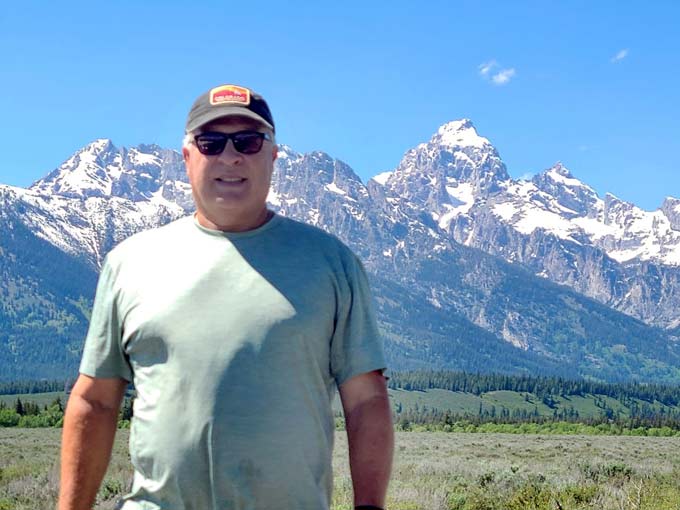
RENE: We met Rose and Glenn’s next guest when I saw the graphics on his rig. He rolled into the park we were staying at, and I tend to stalk any potential guests we see.
JIM: Yeah, you do. But Jeff was happy to talk with us, and he has one of those stories that takes your breath away.
RENE: Jeff’s daughter, Haley, went through a life-threatening health crisis and his family spent 254 days at the Philadelphia Ronald McDonald House while she was fighting for her life.
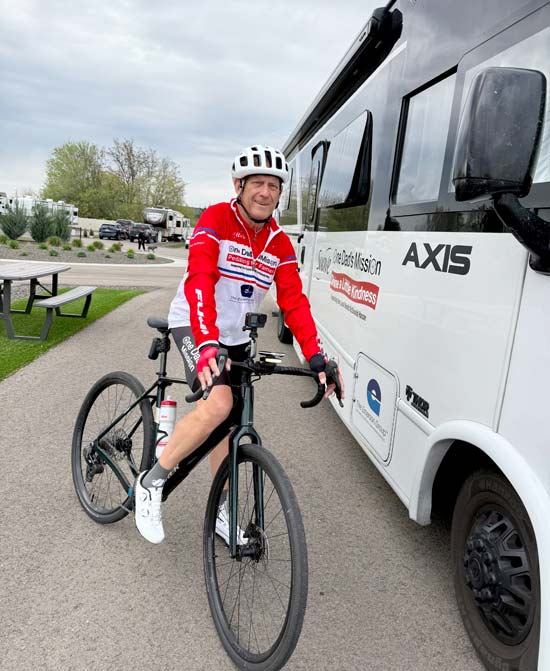
JIM: Now Jeff is giving back through one dad’s mission. He’s riding his bike across the country while his wife Liz follows in the RV as his support crew.
RENE: This conversation focuses on the fundraising, partnership, and nonprofit side of that mission, including what it really takes to ask companies for support with integrity and authenticity. Here are Rose and Glenn with Jeff Beos.
ROSE: Jeff, welcome to the RV Entrepreneur segment of the RV Life podcast. We are so honored to have you with us today.
JEFF: Well, it’s so great to be here, Rose and Glenn. I can’t wait to to talk about our journey.
GLYNN: Yes, your story is incredibly powerful because it’s not only about overcoming an unimaginable family crisis, but also about turning that experience into a mission that’s now impacting families all across the country through one dad’s mission. And this ties into RVing because your wife drives your RV while you bike across the country. And so you have that with you all the time, which is awesome.
JEFF: Yeah. No, it’s been it’s been a fantastic experience. And Liz, my co-pilot, and as she’s taken the title of chief hydration officer, she keeps me fed and and filled with electrolytes so I can bike as many miles as I can.
ROSE: When you say as many miles as you can, how many are you averaging per day?
JEFF: My goal is to do 65 to 100 six days a week.
ROSE: Oh, wow.
GLYNN: Wow. Yeah. You need a rest day in there for sure.
JEFF: Right. Exactly.
GLYNN: Well, speaking of six days a week, this particular segment that we’re focusing on is going to be about your fundraising and the sales part of keeping One Dad’s mission going. So maybe you can fill us in on the background of how this all started.
JEFF: Sure. So it all started on July 5th, 2013 when our daughter, our 13-year-old daughter Haley came down for breakfast and within 15 seconds, she stopped talking and that led to us taking her to our local hospital where she had her first seizure. That ultimately led her down to Children’s Hospital of Philadelphia the next morning. She had two more grand mal seizures the following day. Two days later she stopped breathing and then the following week she fell into a coma for four months and during that time our lives were turned upside down and we lived at the Philadelphia Ronald McDonald House for 254 days while Haley was fighting for life and it’s an organization that is committed to helping keeping families close. We were minutes from the hospital and so if we needed to get there quickly we were able to do that. They provided all the comforts of home at no cost and it was just a lifesaver. So I learned a lot about the organization and how they’re funded and and how they have a great staff of people and a amazing amount of volunteers to keep these families close during difficult times. And so now that we’ve recovered and Haley is completely cured and our miracle today and you know we wanted to give back to help the organization because it is really community-driven and it’s funded by local businesses and people and as I mentioned volunteers but also the local McDonald’s owner operators are good partners but they’re small business people and and they can only do so much and so this is our mission about giving back and sharing our story and sharing our story to other companies on how they can help through either coming down and cooking dinners for the families or providing in-kind donations and certainly monetary donations I think are are really critical. So, it’s been it’s been just a terrific experience.
ROSE: So, before we hit record, we were talking a little bit about your background and you mentioned that you do pharmaceutical sales. How has that background in sales helped you build these partnerships and raise funds for this cause?
JEFF: Well, I think I’ve been blessed to have a great network of friends that have been in the retail pharmacy business for a long long time and they followed our story and they knew the challenges that we had. And as they learn more about the organization and how they’re funded, they were really willing to step up to help support the organization because they didn’t know in many cases they thought it was all funded by a different source. And once they found out that it was community-driven, a lot of these retailers and manufacturers were really interested in learning more about what the houses do for families. And once they visited a house in their local community, they got really excited to see why I’m so passionate about giving back and trying to raise awareness in funding for the house, their local house.
ROSE: Wow. You connected a very important you made a very important connection here.
JEFF: Yeah. I mean, and and you know, as we’ve talked about earlier, everybody has a journey in life and we just need to help each other more than ever. I mean, we’re passionate about the Ronald McDonald houses, but there could be food shelters, homeless shelters, women’s shelters, whatever in your community that let’s just get out there and help. Our lives changed in 15 seconds. So, life is fragile. We didn’t plan on this at all. And you know, I just feel very compassionate about giving back and helping our fellow human.
ROSE: Excellent.
GLYNN: More people need to think that way.
ROSE: Absolutely. But it it takes real help from big organizations, not just people stepping up. Because there’s always, you know, we need money to do this.
JEFF: Yep.
GLYNN: And you mentioned while we were before we hit record that you also have a few other big sponsors, which leads me to that question of, you know, it’s it’s easy when we all say, “Oh, I’m just going to go out and have somebody sponsor me to do this.” No, it’s not easy. How do you actually present these companies with your, you know, your situation, your organization, one dad’s mission, and how do you ask for money?
JEFF: Yeah. I think it’s all about authenticity. I’m not trying to, you know, sell something. I mean, I’m just saying, hey, look, life is fragile. Our lives changed. And again, in 15 seconds and how much do you know about what the Ronald McDonald houses do for families and a lot of times people don’t really know. So then I tell our story and they go, “Oh my gosh, we, you know, we’ve got 13-year-old children, too” or “We had a friend that lived at a house and we know how valuable of that is and it’s like wow how can we help you?” So that’s why I’ve had a lot of companies really step up and say we need to help you Jeff we need to support you this mission is too critical when your kids are sick everybody’s sick in the family and it’s been very difficult I mean I’m not saying it’s easy by any stretch but you just have to keep talking and diving into some of the research of what these foundations are doing and how they help their community and I’ve just been lucky to be able to connect with many many companies and gain their support and their trust in me.
GLYNN: Sure.
JEFF: You know, we did a ride in 2024 and then I was in the Netherlands last year and now I’m doing the 6,000 mile bike ride. And they believe in me and trust it’s trust as well, right?
ROSE: Well, it’s conviction. I can’t your your conviction for this is off the scales. You know, anybody who who gets on a bike and just moves that far and, you know, has such passion behind the story. So, I get it.
JEFF: Yeah. Thanks. It’s been great.
GLYNN: So it sounds like I don’t know if you’ve ever really had to pitch to a company. I mean, have you had to do that or there in the beginning at least?
JEFF: Oh, all the time. I mean, even though I know these people, I’m still pitching the idea because it’s unique and it’s not like a traditional advertising campaign or a marketing campaign and I’ve just had to share our story and why I’m doing this and how a brand could help. So for example, I had we had a meeting with the chief marketing officer of Suave Brands and Suave Brands, you know, shampoo, body wash, conditioner and I shared our story and and this chief marketing officer said, “Jeff, we’re in. How can we support you?” And I and I turned to Liz and I said, what just happened here? And cuz I’m like, they’re a multi-billion dollar brand and they could pick anybody. And they just said, “Jeff, there’s nothing more important than starting your day with a good warm shower with good products to start your day. And no matter what your situation is, you just want to feel you want to start the day off on a good note.” And they said, “Jeff, what you’re doing aligns perfectly with our brand and what we want to do, and we want to support you.” So, they’re going to donate all sorts of product to all the Ronald McDonald houses across the United States.
ROSE: Oh, that’s huge.
JEFF: Yeah, it’s pretty exciting. So, yeah, you just have to be passionate about what you want to do and and just be honest and true and truthful to everybody.
GLYNN: Integrity.
JEFF: Integrity. That’s the one thing that we have in our life, right? Is is our own integrity.
GLYNN: And people see that.
JEFF: People see integrity can live in your brain rent-free and you can pass it along.
ROSE: Exactly. Your background is corporate and now you’re heavily involved in nonprofit. What from the lens of like an entrepreneur, what do you think are some of the mistakes people make when trying to build partnerships to secure these sponsorships?
JEFF: I think sometimes people overpromise what they can deliver and then I think companies get let down with the lack of of commitment in what is initially said, and sometimes it’s just good to say no, no, I can’t do that. You know, I know I’ve had a couple couple of partners say, “Hey, you know, I need six posts on social media every week.” And I’m like, “Guys, I I can barely do one post.” I mean, after a long day of riding and all of the logistics that we go through and I’m like, I I just can’t do that. It’s just too hard. And it’s okay to say no, you know, because it’s fine, you know, because it’s who you are and it’s it adds to your credibility. So, I think I think that’s that’s the biggest thing.
GLYNN: Yeah. If you say yes to too many things, you’re definitely complicating your life, right?
ROSE: Yes. We we’ve had the discussion on this podcast before, and my suggestion when dealing with some of these companies is promise them a donkey, but give them a unicorn.
JEFF: Right. Right. Exactly. Exactly. And you put a lot less pressure on yourself, too, cuz I mean, if I was thinking about riding these miles every day and then oh you know doing 25 podcasts or social media posts every night I mean I wouldn’t be able to ride you know.
GLYNN: Stick with the main mission.
ROSE: You have a goal you’re raising money for a very very good organization so you need to do with what is within your wheelhouse and can be done without you killing yourself basically.
JEFF: Right exactly.
GLYNN: And speaking kind of about growing this mission how important has consistency and followup then?
JEFF: Oh that I mean that’s really vital. I think one of the things that we found back in 2024 and even to today’s ride is that consumers while Liz will be 15 to 20 miles ahead of me and I catch up and they catch up to her but when she stopped on the side of the road in our motor home people will come up to her and say what is this what is this shine a little kindness thing that what’s what is this all about? And so Liz will share our story a little bit. And and people have given us hundreds of dollars to donate to their local Ronald McDonald House. And I think the critical thing then is to Liz gets their email address and we we send them a thank you note and you know this is this is where your monies went to and and just that thank you is so important. I mean it’s the little thing and it doesn’t matter if it’s $25 or $500. I think it’s just important to recognize people for their kindness and thanking them.
GLYNN: Yes, I agree 110%. And that’s that’s old school. The way the way it used to be when you actually sent a thank you card hand, it’s real.
JEFF: Yeah. Exactly. Yeah.
ROSE: And it’s not hard. It doesn’t take a lot of time.
GLYNN: So for someone listening who is trying to grow a nonprofit startup or personal brand, what advice would you give them? You know, that’s a very shoot from the hip question. What you’ve really done. You’ve accomplished a great deal more than so many people who talk about doing something like this.
JEFF: You know, I think authenticity is critical. I think people get turned off with somebody trying to be a fast talker and somewhat unrealistic in expectations. I think just be yourself, be honest, honor your commitments, try not to overcommit as we talked about before. Make sure you’re communicating with them all the time so they know where you are in your journey and how you’re progressing. And I think that that’s there’s it feels like there’s some simple things to do and somehow it’s they’re the hardest things to do I think at times. Which is kind of ironic, right? Because I think we as humans we overcomplicate things too many times. Let’s just keep it simple. And try not to do too much, right? I think a lot of entrepreneurs I that I talk to, they say, “Well, we can reinvent everything here in this platform or whatever it is.” And I’m like, just do one thing at a time, you know, and then as you as you develop and grow, you can add more pieces onto the puzzle, but just do one piece right now and do it really well, I think, is critical.
ROSE: Jeff, that’s actually a really good answer.
GLYNN: That’s a really good answer.
JEFF: Yeah. Thanks.
ROSE: So in this year in 2026, you and your wife Liz are planning to visit every Ronald McDonald House in America. So for listeners who want to support the mission, volunteer or donate, where should they go?
JEFF: Sure. Well, let me just preface something. So it’s a two-year journey. Next year our daughter Haley is getting married. So we’ve got to take a little bit of break to do this wedding thing, right?
ROSE: I think that’s a good reason.
GLYNN: Yeah.
JEFF: I think so. And so I think for the listeners you know go visit your local Ronald McDonald House or one see what they see the incredible work that they do in your community and see how you can volunteer there but follow us on onedadsmission.org is our website and also on social media on Facebook, Instagram and x at onedadsmission. Join us and if you see us on the road honk don’t hit me but honk. Or say hi to Liz if she’s at the side of the road.
ROSE: Excellent. Yes, that’ll be all in the show notes as well.
GLYNN: Okay. So, Jeff, is there anything that we didn’t talk about today that you feel like we should have talked about?
JEFF: No, I think I think we got it all. I feel pretty good. I mean, maybe I think the one thing I’ve learned about nonprofits is there’s a different mentality versus when you’re in a for-profit company. But at the end of the day, a for-profit company is selling a product or platform to meet shareholders expectations or meet company revenue goals. I think nonprofits sometimes it feels like they’re just asking for something but they are a business too and they need to fund their organization and they need to keep their administrative costs low. So people know that the majority of their money is going to help the cause, not for administration costs, right? And so they get a little I think for me it feels like they’re a little bit timid in asking, but at least in our journey, you’re helping sick families. And so I think that that’s a little bit different, right? But you know, you’re still selling something or you’re promoting something, right? It doesn’t matter if it’s a product or a charity.
GLYNN: I think that’s great. There is a difference when you talk about that nonprofit versus profit, but I mean, but you’re both asking the same, you know, but they’re similar, you know, they’re different, but but at the end of it, you still have to keep the lights on at your nonprofit, right?
JEFF: Right. Right. You know, there is a cost to doing business no matter who you are or what you are.
ROSE: Absolutely. So, awesome. Well, when am I going to get you guys on a bike ride then? You got to come to Phoenix.
JEFF: It’s not in the summer. Wait until August do that.
GLYNN: Yeah, I know, right?
ROSE: Jeff, this has been absolutely wonderful having you on today. Thank you so much for coming on and joining us.
JEFF: Thank you.
GLYNN: Oh, you know, it is our pleasure. Thank you for reaching out and talking. It was a great great to meet you all and and to all the listeners out there, thank you very much for your time.
JIM: That’s such a powerful example of turning gratitude into action. I can’t imagine going through that, let alone turning it around into something so powerful and positive.
RENE: I love what Jeff said about not overpromising. That’s such good advice for anybody building a nonprofit, a business, or just a personal brand. Promise what you can actually deliver. Keep the mission clear, and don’t forget the thank you notes.
JIM: That part stood out for me. Followup really matters. People want to know their kindness went somewhere helpful.
RENE: Speaking of meaningful, Bob takes us behind the scenes of the RV media world now with a TV show that’s been around for a long time. For 16 years, RVing Today has been providing practical RV lifestyle stories, destinations, product reviews, plus maintenance and travel tips.
JIM: 16 years is pretty impressive for any kind of media. And it sounds like they’re continuing to evolve with the times from traditional TV to streaming to individual online segments viewers can watch when they want.
RENE: Bob talks with executive producer Jose Moniz about the new season, expanded station coverage and a new tech time segment with Jessica Ryder.
JIM: Here’s Bob with Jose Moniz from RVing Today.
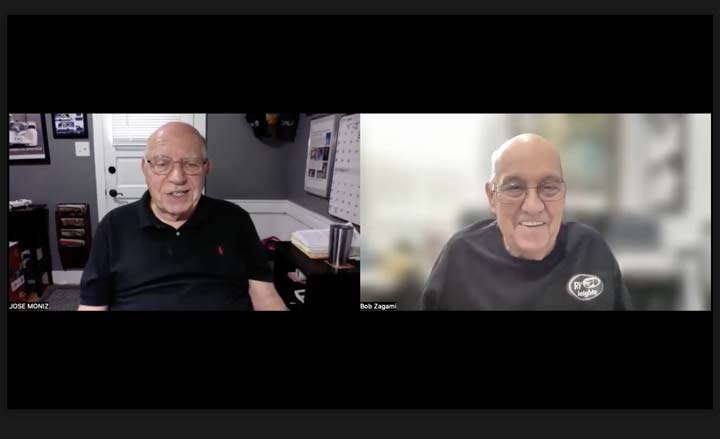
BOB: All right, welcome back. And we got Jose Moniz, the executive producer of RVing Today. Jose, we haven’t seen you for a while. What’s what’s new with the show?
JOSE: Oh, we’re a year older. Yeah. We’re celebrating our 16th year.
BOB: Has it been 16 years?
JOSE: This is our 16th year.
BOB: Wow.
JOSE: Yeah. It it Don’t ask me how far it’s gone. I don’t know if it doesn’t seem like it, but when I start looking back at some old video clips from the Louisville shows, I’m saying, “Yeah, it’s been 16 years.”
BOB: Wow, that’s amazing. Coming up with a new season.
JOSE: Yes. Yeah. Starting this coming month, we we start our new season. And, you know, we’ve been gradually changing things to keep up with times. And, you know, we’re bringing some old things back into the show and bringing some new stuff on board where we’re kind of excited about. And, for for a long time, you know, we had the Paws on Board segment.
BOB: Yeah.
JOSE: You know, when you’ve got 40 million people out there RVing with pets, it’s a lot of pets that like RVing. So, that turned out to be a great segment. Of course, our Dr. Fitz that was with us for years. She had a baby and kind of like out of things now. So, we’re redoing that whole segment.
BOB: Yeah.
JOSE: And then, we’re really excited with a new segment we got coming up. It’s called Tech Time with Jessica Ryder.
BOB: Very well known too. She’s she’s a a great resource in the industry.
JOSE: She is. And it’s amazing that you know it’s kind of a male chauvinistic thing where it kind of looks weird with a woman coming up to repair your RV, but she has a certified licensed RV technician and she also teaches and does seminars too but I think she’s had her own RV maintenance mobile maintenance operation for the last five or six years.
BOB: Right. Right. And she work with the RV Women’s Alliance and RV Technical Institute also. Yeah, she’s a welder and all.
JOSE: We’ve had her on some of our other books.
BOB: Yes. And that’s why, you know, she knows what she’s talking about.
JOSE: Yep.
BOB: So, you know, and and the fact that she can address a lot of our viewers, half of our viewers are women, so you know, she can address that market, too, and do it in her own fashion because she’s got a unique way of presenting things.
JOSE: Yeah. So, we’re we’re looking forward to that segment. It’s kind of, you know, it it’s one of those segments everybody used to seeing like we’ve had you know Mark is very very you know we work with Mark Pulk for many years and Mark is fantastic I mean the guy’s a wealth of knowledge he’s a male and we’ve had other techs on there that are males but now when we have a female one it’s going to be kind of a unique thing for us.
BOB: Well that’s you know when you look at the RV landscape in terms of television programs you’re probably the longest running one out there and what is what does the landscape look like now in terms of the networks and the stations because I know you get the whole country covered but every time I turn around you get another press release with more stations coming in.
JOSE: Yeah, it it’s been it’s the TV media industry is probably as messed up as the RV industry is, you know, with all the mergers and buyouts and everything.
BOB: Yep.
JOSE: A lot of times it it’s detrimental to, you know, what you’re doing. But for us, thank God it’s worked out for the best. You know, we’ve grown horizontally over the last few years and slowly but it seems like you know stations that we had independent stations got bought out by say like Nextstar Media and of course Nextstar is the largest in the country. I think they got 200 and some stations but they bought out some stations that we were on and they contacted us and said can we put your show on a few more of our stations you know so we’re delighted with that that started a couple years ago then just this past I think it was two or three months ago they approached us and said, “You know, we’re going to authorize you for all of our 200 stations,” even though we we go station by station. I mean, they may not have room for us or whatever, but you know, we’re automatically authorizing all of their current and upcoming stations. So, that that’s a huge jump for us.
JOSE: Then, right after we got Nextstar, we we got Mission Broadcasting, which they’re they’re smaller. They got I think 46 stations, but they already just put us on four of their stations. So, the expansion is good. We we’ll be reaching a little over 40 million homes by the end of the year.
BOB: Okay. So, with addition to the television stations, you also have the archives and also the the present shows on your web page, right?
JOSE: Right. We do. And again, 16 years, we got a lot of shows, but yeah, we’ve been cutting it down. I think we cover the last five, six years, something like that on there. Yeah. And a couple older ones that we like. We’re also on streaming, too. That that’s that’s the unique thing, too. I mean, it’s like not everybody you know, people say, “Oh, television is dying.” No, it’s not. It It’s dying for people that tune in at 3:00 to watch a show. They don’t do that that often, but they’ll turn around and put it under DVR. They’ll go to streaming. Every one of our stations carries our show under streaming systems.
BOB: Wow.
JOSE: So, you know, we it’s a whole thing we license separately.
BOB: Yes. I mean, whether you’re on, you know, Fox and Oregon or you’re on ABC down in, you know, Tuscaloosa, if you want to watch our show on their streaming system, you Yeah.
JOSE: Gee.
BOB: So, so how many people, how many homes do you think watch it every week?
JOSE: We have on average the last Nielsen ratings we got is around 320 to 350,000.
BOB: That’s great. Wow.
JOSE: And it, the unique thing about it, you got to remember that most shows because we’re syndicated to all these stations.
BOB: Yeah.
JOSE: Most shows and and there’s some great RV shows out there, but they air on one network and whether it’s like Discovery, they may air for a week or so on there, then they’ll be back on there a month or two later. We’re on 52 weeks a year. And because we have so many stations and they’re all independent, you know, could be ABC, could be Fox, could be CBS. They air us at different times of the week.
JOSE: One, like New England may air us on Saturday morning. Cox Sports down in Louisiana will air us on Sunday afternoon. So, right now, if you took all our stations, we air on an average 25 times a week.
BOB: Wow. Now, all of these in the country.
JOSE: Yeah.
BOB: And all the stations, you have them all listed on the website also, right?
JOSE: Yeah. Not the new ones we’re still adding on. What we got to do is because it’s changing so often now. So, we’re completely redoing our website some, but that where to watch us page is being upgraded over the next two weeks. I think we got we just added four stations last week. You know, we’re adding another two next week and it’s just a constant game right now.
BOB: So, for people who haven’t seen the show, what is it? What’s the URL they should go to for the show?
JOSE: Our website. It’s rvingtoday.tv.
BOB: Super. Fantastic.
JOSE: Yeah. And they’ll see past shows.
BOB: Yep.
JOSE: They’ll see what we’ve done on Vimeo carries our complete show, but if you go to YouTube, you can see the complete show, but you can you can see independent segments from each show. In other words, you just want to watch the Paws on Board segment on show 13, you can do that. So, you don’t have to watch the whole show to you know what happens when you watch a television. You’re not sitting there with a pen and paper. So, you’re watching the show and you see something you like or you’re really interested in. It’s like, “Oh, geez.” You don’t have to go to our YouTube page and watch the whole show. You can watch that specific segment.
BOB: Interesting. I didn’t I didn’t realize that.
JOSE: Yeah. We just try to do practical stuff.
BOB: Mhm.
JOSE: We’re not super technical. We just do practical stuff.
BOB: You keep it easy and keep it understandable.
JOSE: Yes. I figure if I can understand it, most everybody can.
BOB: Well, that’s fantastic. I really appreciate you joining us this afternoon. And I know we’re going to have you on RVing in New England this week also and bring people
JOSE: Yeah.
BOB: So, let’s we’ll figure that out also. Now, when when does Jessica’s series start? Is that with the new season?
JOSE: The probably the first week in July. We’re doing we’re doing segments now and we got a couple sponsors and the rest of them coming on board for that segment. We’re working with them and so it’ll be probably first week in July she’ll be starting her segments.
BOB: Great. We’ll be looking for that. RV Today. Anything else that you want to say to our fans before you get before I let you go?
JOSE: No, no. Just watch the show and tune in and we’d appreciate it.
BOB: All right. Thanks, Jose. I appreciate you coming on.
JOSE: Thank you, Bob. Have a great week.
BOB: Yes, sir. Take care.
JIM: We had a really nice mix here today. Big city travel, cyber safety, a mission-driven bike ride across the country, and a look at how RV television keeps changing.
RENE: I like how practical this one exactly. So, plan ahead for DC, folks. Protect your accounts, keep your mission simple, and use the resources that are out there.
JIM: And maybe don’t drive your RV into downtown Washington DC, unless you really enjoy stress.
RENE: Yeah, that too. Thanks for joining us for another trip with the RV Life podcast crew.
JIM: Get complete show notes and links for Cherry Hill Park, RV WebSafe, One Dad’s Mission, and RVing Today on the episodes page at podcast.rvlife.com.
RENE: Until next time, enjoy the journey. And if your summer travel plans include looking your best in vacation photos. Just remember,
JENNIFER: Hot. You should expect hot and steamy.
RV LIFE: RVing is more than just a hobby. It’s a community. When you join RV Life, you’re not just gaining access to a suite of tools. You’re becoming part of a vibrant community of fellow RV enthusiasts. Share your experiences, learn from others, and make your RV journey even more memorable. Visit rvlife.com to become a part of our community and start making connections that last a lifetime.
FAQs About RV LIFE Podcast Episode #162
Cherry Hill Park is about 10.5 miles from Washington DC and offers public transportation access, concierge help, tour options, and sites large enough for big rigs. RVers can park their unit and avoid driving into the city.
RVers should be careful with campground Wi-Fi, scam texts, weak passwords, gas pump skimmers, and public charging stations. Robert Mahaffey recommends banking alerts, strong passwords, software updates, and multi-factor authentication.
One Dad’s Mission is Jeff Bekos’ effort to raise awareness and support for Ronald McDonald House after his family spent 254 days there during his daughter Haley’s health crisis. Jeff now bikes across the country while his wife Liz supports the ride by RV.
RVing Today is entering its 16th season with expanded television coverage, streaming availability, individual online segments, and a new Tech Time segment with certified RV technician Jessica Ryder.
The RV LIFE Podcast is presented by RV LIFE – Tools that Make RVing Simple
https://rvlife.com