
At a Glance: RV LIFE Podcast Episode 159
This episode explores how community, resilience, and entrepreneurship show up in very different corners of RV life. You’ll hear how VanFest is creating connection for van owners and nomads, how one full-timer continues traveling through serious cancer treatment, how a new virtual assistant business is being built around life on the road, and how Matt Foxcroft is expanding his RV brand into products sold nationwide.
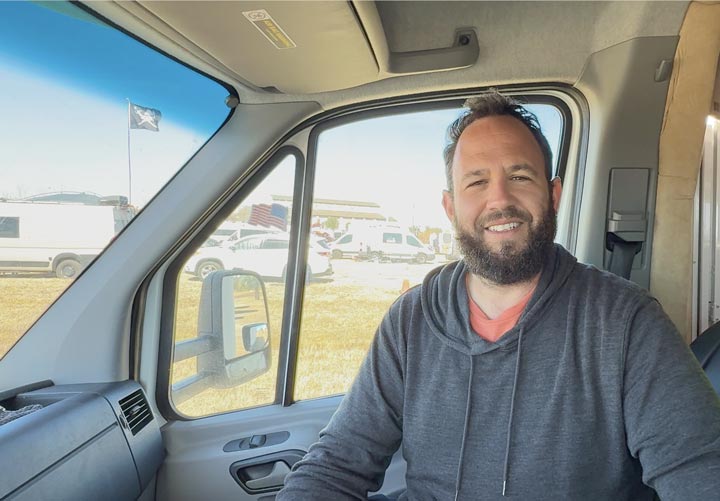
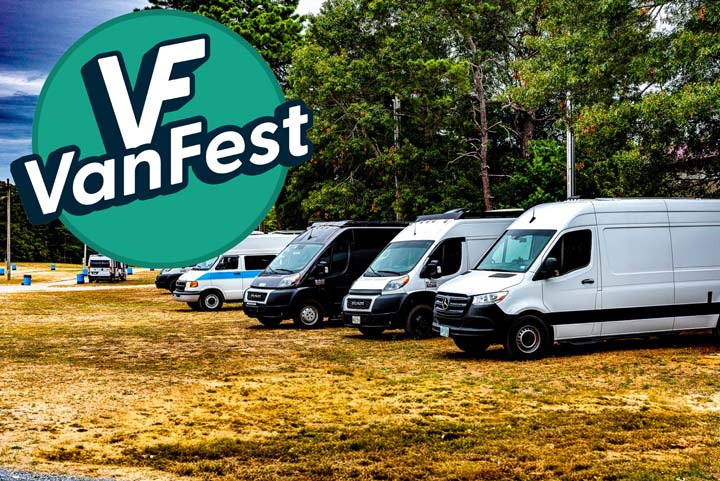
Episode 159 of the RV LIFE Podcast is all about the people shaping life on the road. It opens at VanFest, where founder Lance Wilkinson explains how the event grew into an East Coast reunion for van lifers, skoolies, and nomads who care more about community than vehicle type.
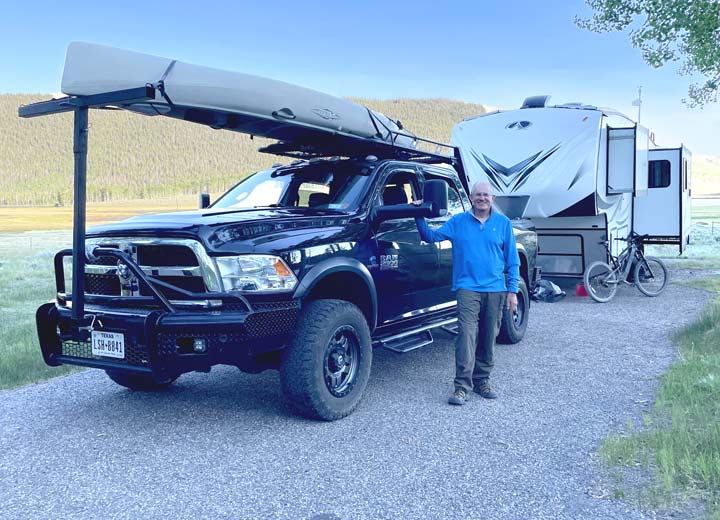
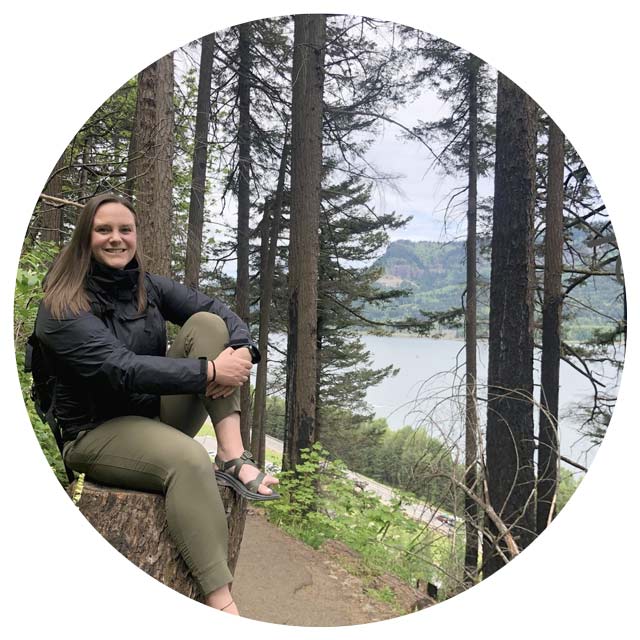
Then Keith Wadsworth shares how a serious cancer diagnosis changed his RV journey, and why staying on the road became part of how he chose to keep living fully through treatment, uncertainty, and constant change.
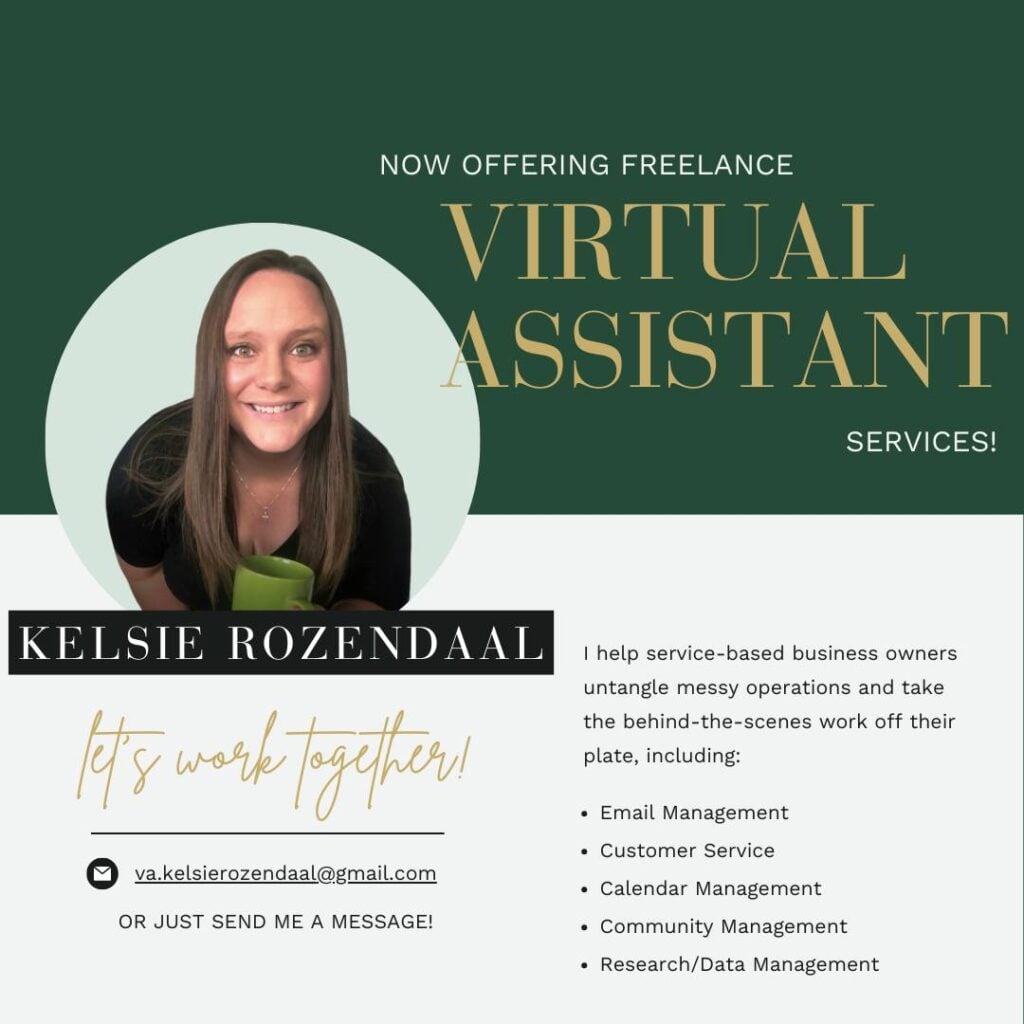
For The RV Entrepreneur segment, Kelsie Rozendaal talks about building a virtual assistant business from her RV while balancing caregiving, self-doubt, and the messy reality of starting before you feel ready.
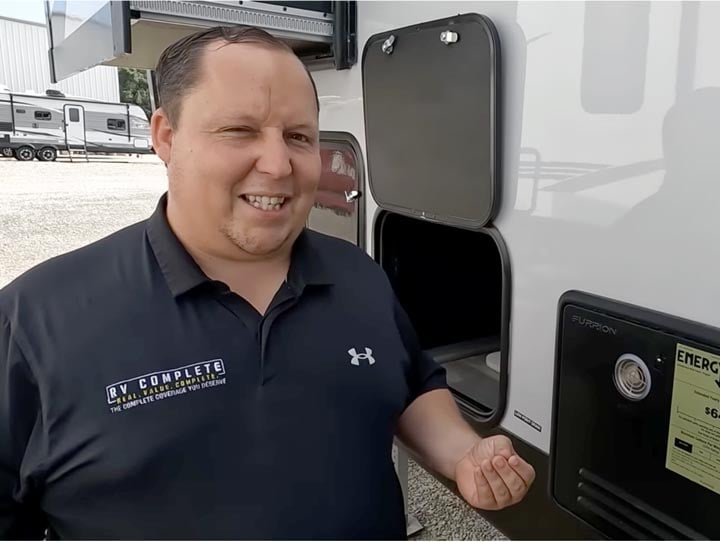
The episode closes with Matt Foxcroft of Matt’s RV Reviews on turning audience trust into products, and what that says about where content and entrepreneurship are headed in the RV world.
VanFest, RVing with Cancer & Building an RV Based Business
Top Reasons to Listen Now
- Travel: Discover how VanFest is building a welcoming East Coast community for van lifers, skoolies, and nomads.
- Lifestyle: Hear practical and deeply personal insight on traveling through cancer treatment and staying committed to life on the road.
- The RV Entrepreneur: Learn what it takes to start a flexible virtual assistant business while living full-time in an RV.
- Industry News: Get an inside look at how Matt Foxcroft is turning RV influence into products sold through major retailers.

Be A Guest or Share Your Story!
https://podcast.rvlife.com/contact
Listen to the RV LIFE Podcast Episode #159
Listen and subscribe to The RV LIFE Podcast on Spotify or in your favorite podcast app. Or, read the full episode transcript below. Leave a comment, or contact us with any questions or feedback.
Connect & Learn More
- https://podcast.rvlife.com/about
- https://facebook.com/rvlifepodcast/
- https://instagram.com/rvlifepodcast/
- https://www.facebook.com/groups/rvlifemovement
Got a great story or tips to share with listeners? Leave us a voice message!
(NOTE: Audio submitted may be published on the podcast unless specifically requested otherwise.)
VanFest, RVing with Cancer & Building an RV Based Business
RV LIFE Podcast Episode 159 Full Transcript
RV LIFE: Opening and Episode Roadmap
00:00:29 – 00:02:11 Rene and Jim introduce the RV Life podcast episode and frame the theme: diverse ways people live the RV lifestyle. They preview four segments featuring community building, traveling through cancer treatment, launching a remote business on the road, and turning RV influence into products.
RENE: Hi there. Thanks for joining us for another ride on the RV life podcast. I’m Renee. You know, one of the things I love most about this lifestyle is that no two journeys ever look the same. Some people are gathering in big groups and building community. Some are navigating really tough life challenges on the road, and others are reinventing their careers entirely. Yet somehow it all fits under this one umbrella we call RV life.
JIM: That’s for sure. Jim here. This episode is another fine example. However you define RVing. It’s not just where you go, it’s how you live once you get there. Our guest this time are living proof that life is a journey, not a destination.
RENE: Oh, enough with your Emerson references. But you’re right. Today we hear from some folks who are living that journey in some very different ways.
JIM: John starts by talking with Lance Wilkinson about Fan Fest. This popular gathering brings van lifers, bus conversions, and all sorts of nomads together to build a real sense of community.
RENE: Then we have a conversation that really stuck with me. We talk with Keith Wadsworth about traveling through cancer treatment and what it takes mentally and practically to keep moving forward when life throws something big at you.
JIM: After that, Rose and Glen sit down with RV entrepreneur Kelsie Rosendaal. She’s busy building a virtual assistant business while traveling full time and managing the many moving parts of everyday life on the road.
RENE: To wrap things up, Bob talks with Matt Foxcroft from Matt’s RV reviews about his growing brand, his partnership with Blue Compass, and how he’s turning influence into real products.
JIM: So wherever you are in your journey, whether you’re just getting started or you’ve been on the road for years, here is something for you.
RENE: Let’s hit it.
JIM: Kicking things off. We’ve got some pure RV life energy. And that spoiler alert comes back to building community once again.
RENE: Yep. This one’s about finding your people. John is on location in a van talking with Lance Wilkinson, who created FanFest after realizing there just weren’t enough gatherings for van owners, especially on the East Coast.
JIM: Van Fest is part festival, part community, part expo, and part come as you are no matter what you’re traveling in.
RENE: That’s lots of parts, Jim. Here’s John with Lance at FanFest.
TraveVanlife Community and Fanfest with Lance Wilkinson
00:02:12 – 00:11:37 John interviews Lance Wilkinson about Fanfest, a festival/expo fostering East Coast vanlife community. Lance shares his background as a full-time vanlifer, the Space Coast “Liftoff” event in Melbourne, FL, the inclusive spirit (“have the spirit”), family-friendly skoolie culture, pricing, off-grid setups like solar, and a second event on Cape Cod.
JOHN: Hey everybody, welcome back to the RV life podcast. My name is John DiPietro and I have a special guest. It’s Wilkinson. Lance is the promoter for an event that I think is pretty interesting because we do lots of destination features on this show, and a new destination feature that you may have an interest in is a van fest. Lance. Tell people what van fest.
LANCE: Fan Fest is a two part event. It’s a festival and boutique expo celebrating van life. The nomadic and adventure minded community, which is not limited to just vans. All I say is you have to have the spirit.
JOHN: Spirit, you know, vans. As we look out, we see a lot of Winnebago echoes, we see some class B’s and, mostly sees, a lot of self converted vans. It’s certainly part of the RV lifestyle where people hit the road. Tell us about this particular event. We are in Florida just south of Kennedy Space Center. Yes, sir. And tell us about this event and how you’ve put it together.
LANCE: Yeah. We are in Melbourne, Florida. So it’s the Space Coast of Florida. So this event is branded as Fan Fest. Liftoff. Just to kind of play on that. Have a little fun.
JOHN: A little local flavor.
LANCE: Flavor. Absolutely. Florida in general. So my wife and I have always come down here way before we had a van, we would just do road trips for a week or two in my stick shift Corolla, which was great.
JOHN: Were you car camping then?
LANCE: Car camping and hoteling? Yeah, a little bit of back and.
JOHN: Car camping before it became a thing.
LANCE: Exactly, exactly. And it was more of a lay the seats back in the Prius or whatever I had at the time.
JOHN: Always ahead of your time.
LANCE: Exactly. I’m trying to be trying to be just to enjoy the weather really. Early snowbirds, we were both working remotely for a while, especially since the pandemic. And it’s warm here and it is not warm in Massachusetts, believe it or not, in the middle of February.
JOHN: And you’re saying warm. It’s relatively warm. But we’re in Florida. We all have winter coats on.
LANCE: Yeah, it’s a little chilly for Florida. The dip.
JOHN: Dip.
LANCE: Which just happened to be a little later in the year.
JOHN: This year in the seven inch snow dip in North Carolina and South Carolina.
LANCE: Oh, I got a foot and a half at home. But, it’s I feel like when you’re in a van or a RV or what have you, and you want to be warm, you want a snowbird, you kind of have two options. You have Florida or Arizona, and it’s more of just a, are you a beach person or are you a desert person? The desert. I grew up near the sea. The desert is breathtaking in my opinion. For three weeks after that, I’m starting to feel like I need some lotion. I’m very dry. There’s mountains watching me everywhere I go. They’re beautiful, but they’re always there. And we are just predicated to come down to Florida, I guess.
JOHN: And you’re one of the few promoters that I’ve run into in this industry that actually RVs and van life. Yes, van life. You’re a van lifer yourself. And didn’t you say you lived in it for four years.
LANCE: Four and a half years full time.
JOHN: So you know what it’s like. You’re not just putting this on to make a buck.
LANCE: No. Absolutely not. If I’m putting it on to make a buck, I’m doing it horribly.
JOHN: You’re doing horribly, okay.
LANCE: But it’s much more than that. The world, America or the US. The world runs on money, of course, but it’s very spiritually and emotionally rewarding doing this, bringing 4 or 5 people together for a long weekend. You see old faces, you see people you haven’t seen for a year or two, people you met halfway across the country for the first time in a while. You see a lot of new people coming and looking for that community aspect of it, and that’s what it’s really all about, is the community.
JOHN: And you’re in your third year here in Florida.
LANCE: Third year in Florida.
JOHN: You’ve grown from what to what?
LANCE: So VinFast started out as a Western type of thing out in Utah. I did one event out in hurricane, not hurricane. Hurricane, Utah. Okay. They corrected me. And being East Coast based, we moved it over to the East Coast for convenience, let’s be honest, because there’s a lack of community in van life on the East Coast. It’s very much so a western half of the US type of thing where BLM land is everywhere.
JOHN: Everywhere.
LANCE: You can hit a place, you can park for free. And I think people gravitate more towards that because it’s simply easier. There’s less challenges. But I wanted to bring van life and the culture and the community of it more to the East Coast.
JOHN: Several times now you’ve used the word community, and when we walked around here before doing this interview, I’ve noticed people coming up and hugging each other saying, good to see you again. Where you’ve been and that type of thing. So there really is a community within the van inhabitants. It’s got to be a better word. Nomadic. And then there’s a subset here where you got the school bus people. Talk about them.
LANCE: They are insane for driving a 40 foot vehicle across the country with a huge turning radius. But that’s just my own disposition. Such amazing people in the buses. Obviously, it’s a lot more family oriented, right? If you have a couple of kids, even just one, a van is a small space. A van is a small space for one person, let alone two, let alone two plus. So the buses just make sense.
JOHN: These are converted school buses.
LANCE: Converted school buses. Yes, we have everything. I mean, we have a motor coach out there. We have several full size buses, both flat nosed and dog nose I think is the term. And several of the shorties of various lengths, three, four, five window buses that are kind of built on most of them are Econoline, I think chassis.
JOHN: Yeah. Now with the school bus people, they come with young kids.
LANCE: Yes, a lot of them.
JOHN: Whereas a lot of the van people, the traditional van people, as we look out, are either retirees or people that can work from the road. A special group.
LANCE: Yeah, absolutely. And it’s interesting because you mentioned people you’re hugging and saying, I haven’t seen you, what have you. The children, the kids are like that as well. You know, there are a group of a couple kids across a few different buses that are all friends and they all meet up their families travel. Hey, we’re all going to go here. We’re all going to go there. This is one of their many stops on the road, and it’s very interesting to see them grow up. And I see like, I’m so bad with names, but I see you grew two feet since last year. What happened man? It’s fun to see them grow up. And what an interesting childhood. A lot of them are homeschooled and they have such tangible, real world experience, just a myriad of experiences.
JOHN: A lot of the people that we’ve talked to, that we’ve met on the road in the past 20 years, they, even those that have gotten off the road for one reason or another say, I’m so glad I did it. And so many other people say, I wish I had done what you did. As far as attending this event and the cost factor involved, what is the general?
LANCE: I keep it on the lower side. It’s a four night events. I think at the most it’s about $180 for all four nights. The people that open their rigs up for the tours during the expo part, which is Saturday, Sundays, 11 to 5, give a little bit of a discount because they’re helping out bring the event. And I like to say help inspire the next generation of nomads. It’s just a great alternative to a campground. It’s a lot more fun, in my opinion, than a campground. And it’s just, again, community based, right? It’s not a business that’s like park here for the night and plug in. And we don’t have hookups out here. Most people are fully self-sufficient with fuel generators.
JOHN: Yeah. And as some of the buses that we saw, they have done some amazing adaptations to them with solar seems to be the big thing that everybody kind of has in common. As I look over at echo over there, the sinuses, Charlie Grace adventures, I’ll have to figure that out. It looks like she’s got a lot of solar on top.
LANCE: Many people have a lot of solar. I mean, it’s amazing what people fit on a van, let alone a bus. We saw a bus earlier that had 3400, 3600W of solar. They had a mini split.
JOHN: A real front door.
LANCE: I’ve seen buses with full stack, full size Samsung smart washer and dryer or LG or whatever the brand was, and they lug around 300 gallons of water and they do their thing.
JOHN: Now, this is the February event in Florida, and you do another event in Massachusetts. Tell us about that.
LANCE: Yeah. So it’s called escape to the Cape. Believe it or not. It’s on Cape Cod. Cape Cod Fairgrounds. It’s going to be August 20th through the 24th this year. This will be the second year. And that is much more of an actual fairgrounds. As buildings. We have hookups on site as well. If someone needs hookups or wants to run their AC or what have you, we have showers, but it’s a very similar vibe. Very similar goal is community and bringing everyone together.
JOHN: And how about a website that people can find out more about that infest usa.com? Either way, you get both of the events?
LANCE: Yes. On both of those. Social media is all at FanFest USA across any platform.
JOHN: Yes. We want to thank you so much. I know you’re trying to check in people that are already registered. And to let our audience know that an interesting destination for their next camping adventure, regardless of what type of unit that they have, can be a festival of like minded van people or v people, whether it’s class A’s, B’s, C’s, certain brands have the spirit.
LANCE: Part is all the dogs. I’ll be honest. Everybody’s got a dog. I’ve seen nobody with one dog. They all have two and three dogs. There’s plenty of van cats. There’s a van ferret or a bus ferret. I saw a video of him online last night. He’s just playing and hanging out and living his best life.
JOHN: There we go. You are listening to the RV life podcast.
RENE: I love that idea of have the spirit, not just the rig.
JIM: Yeah, that spirit really stands out better than any clicky convergence. Fanfest takes the pressure off and makes it more about the people than the equipment.
RENE: You can hear it in the way Lance talks about it. It’s not just an event, it’s a reunion for a lot of those folks. Our next conversation shifts gears quite a bit, but in a really meaningful way.
JIM: Yeah, this is one of those talks where you just have to sit back and soak it in. It may hit home for a lot of folks, too. It did for me.
RENE: We sat down with Keith Wadsworth, who didn’t even plan to be an Arvier at first. Then a cancer diagnosis changed everything. Instead of slowing down, he chose to get out there on the open road.
JIM: And what’s remarkable is not just that he keeps traveling. It’s how he’s figured out all the logistics of doing what he loves while managing serious treatments.
RENE: There’s a lot here about mindset, and it’s very real, practical advice for anyone dealing with health challenges on the road.
JIM: Here’s our conversation with Keith, author of Prostate Cancer, Sheep or Wolf. And yeah, we get into what that means. Keith, nice to meet you. Thank you so much for joining us.
LIFESTYLE: Traveling Through Cancer Treatment with Keith Wadsworth
00:12:40 – 00:33:38 Keith recounts how metastatic prostate cancer—and later melanoma—catalyzed his RV journey. He explains adopting a resilient mindset (“sheep or wolf”), staying physically active, and becoming a full-time RVer while coordinating labs, surgeries, radiation, and immunotherapy across states and even Europe.
KEITH: Jim and Renee, thank you for having me.
RENE: Oh you bet. Well, ever since I read about you in escapees magazine, I said we need to talk to him because we often talk to people who are hesitant to travel because they’re dealing with some kind of chronic health condition. So I thought Keith is perfect. We’re going to show people what is totally possible. But before we start talking about that, let’s talk about your RV life. What made you want to start RVing in the first place?
KEITH: Near death experience. The diagnosis of having an aggressive cancer, I had no plans of RVing. In fact, I didn’t care for RVers. I was a camp out of the back of the car kind of guy.
RENE: So were we totally get it.
KEITH: And I just and you guys are slow up the hills and you take a lot of room and you make noise.
JIM: You sweep your tarps.
KEITH: You sweep your tarps, all of those things, and you lay this big tarp out and you bring your chairs out and you bring your wines out. And I’m trying to figure out how to find ice. But back in 2015, I was living and working in England, and I was diagnosed with metastatic prostate cancer. So I spent a year trying to decide how to treat the disease. And then I was trying to figure out what I wanted to do, and I made a decision that I wanted to get back to the mountains.
RENE: Mhm.
KEITH: I didn’t my outlook wasn’t horrible, but it wasn’t the best. And some very long time friends of mine, John and Patti, they were into their 13th year of being. They would go out about 7 or 8 months out of the year. So they talked to me and they talked me into it. And I said, well, my life’s changing again, so why not? And I got to go out with them from Texas to Montana and back. We took eight months and I got 13 years of RVing experience in one summer.
RENE: That’s a smart thing to do. I like that you have a little guide, you have good friends with you, and it’s good medicine.
KEITH: Good medicine, good friends. They knew where we were going. We mapped it out. They taught me so much and I got hooked. I did not know what I would be doing the next year, but I got hooked on RVing. And so for the next few years, I would be out about 8 or 9 months. And then I wintered in Europe.
RENE: Ah, okay. Smart. I know lots of people fly south for winter. I didn’t realize they fly east.
KEITH: I went to the cold. I parked the RV in storage down here in Texas, a nice air conditioned storage. And I moved to the cold country of Europe for the winter. I missed Europe and I love skiing over there and traveling. And you can get to southern Spain and southern France in the wintertime, and it’s really quite nice. And that ended in 2020 when all of our lives took a big change. And so I then became a full timer. I have not been back and I’m in my RV 12 months out of the year now since 2020.
JIM: So you’ve obviously been traveling quite a while now. I’ll ask about the elephant in the room. How is the cancer? How are you doing? What’s the prognosis these days?
KEITH: I am grateful beyond words. I have no other way to describe it. I have two cancers now. The prostate cancer was diagnosed back in 2015, and a couple years ago I found myself having metastatic melanoma. It had gone into my liver. So I have two spreading cancers. They are not detectable at this time. It’s a medical term. There’s no evidence of disease. I’ve had a full metabolic response on both cancers to the treatments. Keep a very close watch. I don’t presume I’m cured. I think that’s a tough word to use with cancer, particularly once it has spread. But we’ve got them in check on the melanoma side. I’m very fortunate. And fingers are crossed. The outlook is good. I stay very physically active. Just this morning I was wrapping up with my trainer. I’m getting ready to head out on the road this weekend to head out west, so I’ve been working out three days a week with a trainer and I’m still building muscle. So I figure if you’re building muscle, you have to be healthy.
RENE: Well, yeah, congratulations.
JIM: You’re clearly doing something right there. And you wrote a book and you have a website that talks about the idea of being a sheep or a wolf when facing cancer. I presume that means like how you react because you don’t have control over the situation, but you do have a control over how you react to it. So what does being a sheep or a wolf mean? What does that mindset in terms of coping with your diagnosis?
KEITH: When you face cancer, you hear two things. You hear what is the stage of the cancer and you hear survivability statistics. That’s the focus. It can be extremely technical. We could be stage one, two, 3 or 4. There are people with stage four that don’t die from it. And there’s people who are found to have stage one and then very suddenly they’re dead. So to simplify the process and to frame the cancer’s aggressiveness, I thought of do I have a wolf in sheep’s clothing was my first thought. How aggressive is this cancer?
JIM: Mhm.
KEITH: So I came up with this idea of a docile sheep or wolves. Wolves are wolves. I like to watch wolves up in the mountains. Wolves are aggressive, dangerous. They are aggressive carnivores. Wolves can be cute and fuzzy. And sheep can be cute and fuzzy and look good. Or sheep can be mean. They can ram your car. You get into an area of wild sheep and they can buck it right at your car. So I came up with that. It makes for a great illustration for the book cover, because I did a thing with half a sheep’s head, half a wolf’s head, and those were the prostate gland underneath the ureter. So that’s what I came up with. And it made it easy for me. And then I came up with for my own animals. So we thought I had a mean sheep is what we determined. Rather than give it all of its codes and medical terms. And then is it still in the barn? Is it in the barn yard or is it out on the highway? And both of my cancers, my prostate cancer, made it to the barn yard and the melanoma got out on the highway. So the melanoma is a wolf, no question.
JIM: It’s a wonderful analogy there that I’m picturing.
RENE: Yeah. So you’re developing this mindset as you get your diagnosis and then you bring travel and roving into the situation. It seems like a lot to deal with at one time. I don’t know how I’d handle that. How did you wrap your head around the illness and traveling at the same time? Did you get any pushback from people? I mean, because I know a lot of people might want to just retreat and not go anywhere. What made you decide to do the opposite?
KEITH: Yeah. Well, I’m crazy sometimes. I think, on the ravine side again, back to my friends John and Patti. I had them, so I was shopping and couldn’t find anything I wanted in Texas. Kind of a strange thing. There’s lots of RVs here, but Phoenix and Tucson are a Mecca for used RVs, mostly in dry temperatures. So John went with me and we bought my RV together, my fifth wheel, and we took a week to get back to Austin, Texas. And so John hooked it up for me and showed it all to me. It was just him and I. We had no other distractions, no pets. And so that got me quite confident pulling the RV. And then when we headed out, I followed them all the way to Montana. So that’s how I was able to take that on without being overwhelmed. And when things would break, I had a water pump go out. The first year John helped me with that. He knew where it was, Et cetera. Et cetera. On the medical side, massive pushback. That is not easy. I had my surgery in January, and my first thoughts were, how soon could I hit the road? And the doctor’s like, what? He says, you know, we’ve got to do a lot of checking and blood work for the next year. And I said, I’m leaving. I’m sorry. We got to have to work this out. So I figured out it was fairly easy to get blood work on the road quest or LabCorp labs are everywhere. You may have to drive a long way, but you could get them. And at that time, my doctor was willing to write orders for me to get the test on the road. That’s one of the most difficult hurdles is, will a doctor’s support out of house investigations and treatments because they’re a business. But I just went. I had to go. I had to get out on the road. I would have lost my mind, I think otherwise.
JIM: You may have just answered it with that statement there. But you first had a very instant response. Okay, great. But I’m gonna hit the road. How long until I can hit the road? Did that just come naturally? Was it just your immediate response or what helped with that mental shift to go out and continue your adventures?
KEITH: I love to travel. I have traveled since my high school years. I was gone all of my summers in high school. I spent a summer in Tennessee with a group called the Youth Conservation Corps. I was an exchange student and it was their obligation to fly me back to Southern California. And I asked for a bus ticket and they said, great. And they said, here’s your Emery pass. And I said, well, what’s at Emery Pass? And they said, you have four weeks to get home. You go anywhere you want, change your destination. And I took four weeks to get home. And then after I did my little book, the very first interview I had, the article came out about me being a nomad. And I went back and talked to the writer of the article and I said, I’m not a nomad. You know, that’s the Vikings or something. He says, no, he says, I interviewed you and you’re a nomad, maybe a modern day nomad. So it’s what I like to do. I travel always in my business. I like to go places. So that was easy. And I did not want to be sequestered at home with a metastatic disease that we did not know what the outcome was going to be.
RENE: Mhm. You know, your story reminds me a lot of a couple of friends of ours where she was diagnosed with a type of cancer, a blood cancer that was very treatable at first, and they were already full timers. And then it got under control. Everything was fine. They almost practically forgot about it. And about ten years later it came back. And she needed some very extensive care because they were full timers. They were able to travel to wherever the best care was that they could afford. I really saw how much you can benefit when you are a full timer and you’re able to take your house with you and go get care somewhere. How did you balance the fact that you needed the care other than labs? I mean, did you have Medicare at the time or private or employer sponsored health care? Because I know it can get really complicated when you’re traveling.
KEITH: It does get complicated. There’s no question about that. In the early years, I was on private health care. Fortunately, I had a PPO. That changed at the time of when we got the Affordable Care Act, which was when I wanted to do my first treatment. Things changed. So it became a new learning curve on which doctors I could work with. But my surgery and then it was a waiting game. We had to see how much of the cancer was left, and we had to give it some time. So my surgeon, a urologist, he was very happy to write my orders for imaging and lab work, and so I could get all of that on the road. And then I knew I would come back in the fall and we would reassess. So that part was relatively easy. I then had my second treatment, which was radiation, and I did that in Austin, and then I went back out on the road again and again. It was a wait and see scenario where we’re doing blood work and imaging. Then I did my third treatment for the prostate cancer, actually went over to Europe for that. That was a surgery and came back and hit the road again. And the European doctors like, well, they’re not going to take my orders in the U.S. so I had to find a doctor to write orders for me in the U.S. so to do a little bit of doctor shopping. But I got that and went back out on the road again.
KEITH: And then I was taking a drug, but I was able to pick that up at a pharmacist. I got the drug that I wanted that took some time negotiating with the doctors. They had something in mind. They wanted me to come in every month for my injections and I said, no, I want this pill on the road. And they finally acquiesced and I got what I wanted. And so that worked out. The melanoma treatment is much more complicated. That is immunotherapy. Or think of chemotherapy. And that’s an infusion every 28 days no less than that. It can go longer. But they have to wait at least 28 days. That’s more complicated because one, you have to do labs days to a week before that to make sure you’re healthy enough to get the next treatment. And then you have to have the set time to come into the center. And I’m like, nope, I’m not doing this. And we were talking initially of 24 treatments, essentially two years. And I said, I’m going on the road. We don’t have a choice here. We have to work this out. And I was fortunate enough that the primary oncologist that I see supports it. So he writes his orders and I go find lab centers that will do the infusion. Many say no. They say, well, we want you to see our doctors. We want you to do all your lab work here. They want the revenue. But it’s like, no, we’re not doing that.
KEITH: I don’t need to see another doctor. I don’t know that that would be approved by insurance. I’m already seeing two oncologists. The second one that I see that a second opinion. They do nothing out of house. They will not write an order for anything out of house. So you either have to be with them or not be treated by them. So I find centers. My best one is up in Utah. Secondary is in Idaho. Arizona was a complete shutdown on me and I realized it’s the snowbirds that I mean, nothing wrong with that. But the snowbirds come in and they push the medical facilities to maximum capacity. And they’re like, so you want to drop in here for a blood test and leave, and we got to do all the paperwork, or you want to come in for one imaging and leave, or you want to drop in for a chemotherapy infusion and leave. We’re not doing that. So I find remote facilities and they are very capable and very good. Where I get my infusions in Utah is three hours south of Salt Lake City, kind of in the middle of nowhere, a town called Richfield. And they’re wonderful and they’re terrific. And the one up in Idaho, in Idaho Falls. So it’s challenging, but you learn to talk to the doctors, you learn to talk to the nurses, you learn to be extremely efficient. You cannot waste their time at all because they’re on the margin of doing this for you anyhow.
JIM: I’m sure you’re not alone in a situation. I’m sure there’s others out there that are dealing with the health challenges and traveling and want to keep traveling. And you’ve clearly nailed down some of these logistics. So I wonder, what are some of the practical things other RVers with health challenges should think about when heading on the road or when becoming ill on the road. Is it all about finding that unicorn doctor that’s going to work with you and your lifestyle? Or are there other practical things people should be paying attention to when it comes to the logistics of where you need to get this stuff done and get the medications and such?
KEITH: I’ve never needed an emergency room, but from what I’ve observed and what I’ve seen, ER is ER. If you go to an emergency room you will be taken care of. So these are non-emergency situations. You have to find the right doctor at both ends at the end to write your orders and then at the end to deliver. Now it can be both. So I was close last year. I ran into some difficulties with my primary oncologist. He sold his practice and the new practice wasn’t fond of what I was doing. So now I’m having to go find a new oncologist. But I didn’t have to do that. We got it worked out. But the key is at both ends. Who’s writing the orders and who’s delivering the service. I went to one facility to get the service. The immunotherapy again called chemotherapy. If you’re not familiar with immunotherapy and they’re like, well, we could probably do it, but we got to have all this information. We need proof of your doctor’s medical license. And I just said, we’re not doing this. These are standing orders. They’re good orders. This is not a painkiller that I’m abusing. Nobody volunteers to have chemotherapy, right?
RENE: It’s not recreational.
KEITH: It’s not recreational. And so I’m not doing this. You obviously don’t want me to come in here. You’re too busy. You don’t want the hassles. You have to go knock on doors and I knock on doors. But I have a spiel down. I have my elevator pitch. I know I have a great smile, I’m very polite, I’m very humble, and I’m not putting on an act. But I know that they don’t want me to be difficult. And we all know what it’s like to be a difficult patient or we’ve seen difficult patients. You have everything with you you need. You can’t forget your driver’s license back in your RV four hours away. You have to have everything. I carry massive medical records, and I know where they are. I’ve got them labeled. I can pull them out very, very fast when they ask. And I have a doctor and a nurse who will cooperate with me. But again, I’m very good with them and I don’t waste their time. So the primary keys to doctor, plus your willingness, Jim, to go into a facility you’ve never been in.
KEITH: In this case, when you’re getting immunotherapy or chemo, this is a serious drug being put into your body and you don’t know who these people are. You just trust them because they’re highly skilled. I have found as a tip nurse practitioners and PAs and remote clinics are brilliant. Absolutely brilliant. Very helpful.
RENE: So helpful, Keith. So it sounds like you really need to be organized and walk into a situation with a really good attitude, but persuasive.
KEITH: Yes. You have to be persuasive. The word that I use is I must be resolute, purposeful, unwavering. So I’ll walk into a chemo center for my appointment. I walk in in my running clothes, I look fit, I look healthy, I do not look like I have cancer. And they will say, well, who are you here to support? And I’ll say, well me, you know, I’m the patient. Well, who’s your driver? Who’s with you? Sometimes I’m alone. I say, I’m fine by myself. I do this all the time. I can handle this, but I have to answer their questions very directly or they’ll if they get nervous, then things change. So I go in with tremendous confidence and I have it. It’s not actually that difficult, you know, the chemotherapy or the immunotherapy is it’s a needle stick. That’s all it is. And you sit there for 20 or 30 minutes while it drips out of the IV bag. Oh quick a quick joke. So in the old campgrounds, remember the old Coleman lanterns that we hung on the hooks? So I had my grandkids out a couple of years ago and they said, what are those, grandpa? And I said, oh, those are for infusion bags and drip bags for us old people. So it’s, it is, it’s, you have to be good at doing it. It requires the utmost of attention to detail, but it is doable. That’s the thing because I’ve proven it. I didn’t have a YouTube video to go watch or a book to read, but it’s doable. It just takes some time. But I would rather leave the chemo center and go to my campfire than go to my house and be depressed.
JIM: Good point.
RENE: Oh, Keith, you know what? People are so lucky to have your wisdom and your book, and we’re so honored to have you here. This has been really fun talking to you about a very serious topic that scares all of us, and you’ve proven that it’s all about the right mindset and attitude, and we can’t thank you enough. Thank you so much for being here, Renee.
KEITH: You’re very welcome. Thank you for having me.
JIM: Well, that’s one of those conversations you don’t soon forget, right?
RENE: There’s something about the way Keith approaches life on the road that just feels so grounded and so real.
JIM: He’s not ignoring the difficulty, but he’s also not letting it define how he lives.
RENE: That’s something a lot of us out there need to hear.
JIM: Now let’s shift into something a lot of people are thinking about right now working on the road.
RENE: Or at least dreaming about it.
JIM: Exactly. Rose and Glenn talked with Kelsie Rosendahl. She’s right in the middle of building her own business that actually fits her lifestyle.
RENE: She might just be getting started, but I like how we get to hear what it’s like in the early stages. She’s figuring it out in real time, dealing with uncertainty and learning as she goes.
JIM: This is a really honest look at what it takes to make that transition so many out there maybe putting off right now.
RENE: So right now here’s Rose and Glenn with Kelsie.
RVE: Building a Remote VA Business with Kelsie Rosendahl
00:33:59 – 00:52:46 Rose and Glynn interview Kelsie about founding The Rosendahl Company to offer operational support as a virtual assistant while full-time RVing and caregiving. She discusses the shift from corporate work after return-to-office mandates, balancing risk and flexibility, client acquisition via social and in-person networking, and demonstrating value by freeing owners’ time.
ROSE: Hi, Kelsie. It is so great to meet you. Welcome to the show. We are really excited to hear about your journey, especially because you’re in those early stages of building your virtual assistant business. So for anyone listening who may not be familiar, what exactly is a virtual assistant and how do businesses typically use one?
KELSIE: Hi. Yes. So my name is Kelsie Rosenthal. I am the founder of the Rosenthal Company. I am a virtual assistant specializing in operational support. So I come in and I help overwhelm business owners, get out of the weeds of that back end, behind the scenes type of admin work and back to the work that they actually love doing.
ROSE: That is so helpful.
GLYNN: Yeah, it is. And it’s so needed. Yes. So before this, you worked with like a behemoth corporation, correct?
KELSIE: Yes I did.
GLYNN: And during that time, what happened that made you say, okay, it’s time to do this on my own.
KELSIE: Yeah. So a little backstory here. So I spent years working as a physical therapist assistant first, and then I transitioned into a remote corporate job in 2023 because that’s when we started full time RV living and I became a senior workers comp adjuster. So the sole reason that I transitioned out of physical therapy was because this job was remote and I was given permission to take it on the road. So my career path really looked good and stable on paper, but living full time RV life outside of work, it was completely different than the typical setup. So my partner is a travel physical therapist. We live full time in our RV and stay in locations from anywhere from 3 to 9 months at a time. And additionally, we became full time caregivers this past year unexpectedly. So with that, the moment that it really clicked for me in that I need to do something was when my corporate jobs issued a return to office mandate, not only requiring one day a week, but three days a week. And so that made it very difficult. And for that moment, and a lot of people are like, okay, I’ll just commute again. But for us, it meant trying to force this very intentional life back into something that just didn’t fit anymore. So I remember thinking to myself, I can try to make our life revolve around my job and stay frustrated with it all of the time because of it. Or I can build something that actually supports the life that we chose on purpose. So that’s kind of what I did. I decided to stop doing things for corporate America and start doing it for myself and my family instead.
GLYNN: Wise move. Yes, the entrepreneurial spirit goes far and making that decision. What do you think? Were you was it more exciting for you or is it more terrifying to take that step?
KELSIE: Definitely both. Definitely. It comes with a level of fear, going from the stable, consistent paycheck to something that the unknown of going into, well, we’re going to give this a shot. We’re going to give it 100% and it’s just going to be something that you always got to be ready to take that next step, even if you’re not 100% ready. And so it’s definitely keeping the faith in myself and knowing that I have the skills and the value to offer to others out there.
ROSE: Right. Very good. So a lot of people listening, they dream about working while traveling, but aren’t sure how it actually works. How did you design your business then so it truly fits your lifestyle?
KELSIE: Yes, definitely a lot of research, a lot of YouTubing, of finding kind of what avenue I really wanted to go down. And virtual assistants kind of fit that for me, because the two biggest factors were being fully remote and having flexibility. So looking at how I wanted my business to function, I knew that it needed to truly function from anywhere. It couldn’t be occasionally remote where I have the option or they had the option of saying, hey, you need to come into office. And that I also with a three year old being at home now, I needed flexibility where I can’t always work those traditional business hours that people do like you to work. So I needed to do something that I could do asynchronously for my clients or like behind the scenes for my clients. So designing my business around RV life really meant focusing on operational support. It’s that organizing the systems, managing back end tasks, and helping things run smoothly, because that kind of work can be done from anywhere, at any time if you have a laptop and internet connection.
GLYNN: Can you give us some examples of some of this back end work you do?
KELSIE: Email management is a big one that for back and forth, just the constant communication that comes in every single day, calendar management, a lot of data entry, a lot of general admin tasks that just take up so much time for this business owners where they can’t really focus on any type of revenue generating income tax or anything that they can actually start to help scale them. The things that are just the mundane to do list that they have to do every single day.
GLYNN: For sure. Now, some of these businesses, I imagine if they’re really big, they have had been for this. Yes. And if they’re really small, they can’t afford you. Right. How do you zero in and which businesses to market to?
KELSIE: Absolutely. I mean that’s that’s part of the game, of finding the people that have the not only the experience and the income to be able to get to that point where they do need an assistant, but just really is just going out and having conversations with people, figuring out where they’re at in their business. You know, the people that are just starting out. It’s still great to nurture that relationship and connect with them and just know, later on that might come down the road when they do need that help. So it’s really a filtering process of, okay, I have all these people that I want to talk to, but really figuring out which ones have been in business long enough and have the income to be able to need the support on the back end?
GLYNN: Sure. Is there a way you can convince them? Because I wish when we had owned our business that I had started with someone as an administrator sooner because it would have freed up time for the business owner to do what is most important sell. So I think grow. Yeah. I think the biggest thing for us, just proving my value essentially. So not only just saying, hey, I can take these tasks off your plate, but letting the business owner think of if I take ten hours back from you doing these tasks, what could you do in those ten hours that would help you scale your business? What can you do with ten to even 40 hours a month that you’re spending on these tasks? How can that absolutely help you grow in the future?
GLYNN: Exactly. That’s more valuable than so many small business owners realize.
ROSE: Yeah. So how do you find these businesses? How do you kind of zero in on which ones to market to.
KELSIE: Right now it’s a lot of personal outreach, reaching out to just my own network and my own community, seeing any of them small business owners, they need any help. And then I’m also really big on LinkedIn and Facebook groups and a lot of the entrepreneur groups. That’s where I find a lot of people are like, oh yeah, this is definitely something that I can look into. And if it’s not a right now, it could be a maybe in the future. So again, just really just building those relationships and nurturing those throughout.
ROSE: Yeah, it’s so important.
GLYNN: So you acquire most of your leads from that social media aspect, correct?
KELSIE: At this point, yes. I also have started doing some in-person networking. So I go to Chamber of Commerce events. And then also anything that you find on Facebook or Eventbrite, anything of that nature of doing any type of mixers just to find the variety, not really. I’m not trying. I’m still in the building phase. So I’m not trying to niche down quite yet, but just really trying to see where my services can be most valuable to these business owners.
GLYNN: I’m glad you said that, because I think that the face to face aspect is going to be the most important way that we generate business. Anyone going forward.
KELSIE: Right. After the pandemic, everything did go really remote and a lot virtually. But it’s definitely becoming a trend now that people are really wanting that face to face, the actual relationship building and not just somebody behind a screen.
ROSE: What are maybe some of the biggest operational problems you see entrepreneurs kind of struggling with?
KELSIE: With the calls and the people that I’ve been talking to lately, there definitely are a few patterns that have been coming up. And the first is really that everything kind of lives in the business owner’s head. So they have a certain way that they like to do things, and they don’t have a system or a process written out quite yet. So it’s not clear. And they’re just trying to remember everything in their head, or they have just a little written sticky note right by their work setup that they just kind of go off of. So that’s really where things kind of start slipping through the cracks. And you always have that feeling or that thought of, I know I’m forgetting something, but I don’t really know what that is. Second thing that I see a lot is disconnected tools and systems. So a lot of these business owners are using great platforms, but nothing’s really working together efficiently. So instead of simplifying their workflow, it ends up creating more confusion and a lot more manual work, which, as a small business owner that doesn’t fly because you’re looking to be more efficient, not more inefficient. And then the last one that I’ve been seeing a lot is just being in a constant reactive mode. So answering emails as they come in, handling problems as they pop up and putting out fires all day. So there’s really no structure behind it. So it feels pretty chaotic. So what I’ve really found in starting to learn is that even by just bringing a little bit of structure and organization to those areas can really change how a business feels to actually run it.
ROSE: Right. And so maybe you can give the listeners a simple system or habit that they could implement this week to feel more organized.
KELSIE: Yeah, absolutely. So my first thing is email management. You want a time block. I do this in my corporate job too, actually, and this is where I’m starting to bring this into my own business is I don’t start off with my email right away because email is very stressful and thinking of how many things can go wrong in email. I start with a very simple, okay, here’s a task of three things that I need to get done. First, I do those three things, and then I get into more of the email management, the filtering, going through, responding to people as I need to, making sure that you start with tasks that you know you can complete first. So if anything else gets off throughout the day, you don’t have to worry about having to finish those three tasks after that.
GLYNN: Great advice. Clearly, there were some life changes that forced you into this. Yes. Do you think you would have done this if those life changes hadn’t happened? Would you force yourself to take on a business like this or start a business like this?
KELSIE: I think eventually, yes. But I think just the way that life happened and the circumstances that all kind of laid out and aligned the way that they have this past year really was a great motivator to get to that point. I actually had started thinking about starting my business about a year ago and just kind of sat on it, thinking of, oh, this would be great hypothetical of, yeah, I want to be able to doing this. But still having the comfort of that corporate job of having the stable income, of having the benefits, everything like that. So I think eventually, once I quote unquote felt ready, I would have really jumped into it. But this has really forced me to be very intentional with starting my business and knowing that the outcome is going to be better than any risk that I take.
GLYNN: Yes. And you have a buffer of savings. You have yourself in a situation where you can grind without much income initially.
KELSIE: Yes. And thankfully, I do have a partner who has a very great job as well. And so that helps me have a little bit more of leeway to be able to do what I need to flexibly and remotely, as well as caregiving full time. So it’s definitely, I have four cats, I have a toddler, and I’m still trying to build this business in the middle of all that. So it is chaotic, but carving out those time blocks and really being intentional in that time that you have is highly important to me.
GLYNN: And that’s a wise move. And yes, carve out the time blocks. And I think what’s really important for the listeners to understand, and I think most of them do understand this, is that when you start something like this, you’re not going to make money instantly, right? It’s going to take a lot of work with no income. Yes. And some forget that.
KELSIE: Yes. And that’s why it’s so important to have that why and to have that purpose behind it. Because there I mean, even I’m in the building stages, but there’s been those imposter syndrome that comes up of, can I really do this? Is this something that is actually going to benefit me in the future? And I just keep thinking, yes, being intentional, this is part of our lifestyle. We want to live this lifestyle. So I have no choice but to continue to go.
GLYNN: Isn’t it amazing how so many of us do feel that imposter syndrome, even though we know very well we’re capable, right?
KELSIE: And it’s always there. It’s always looming in the back of your head.
ROSE: Yeah, that’s definitely a challenge. And speaking of challenges, did you have anything in particular that was kind of roadblocks in the beginning or any things that popped up?
KELSIE: Yeah, I think for me, it really is I don’t want to come across salesy. I don’t want to come across as self-promoting myself, but also I know that I have value and I have this ability to come in and help these business owners. And so trying to just tweak my mindset and thinking, okay, it’s not me trying to sell everybody, gets to come in to help and support these business owners who really do need the help and support, and I love to help people. So going from that type of shift in mindset has been great for me because now as I’m going out, I’m marketing myself, it’s not of, oh, I don’t want you to take your have my services get me for my services. It’s more of, I want to help you and this is how I can help you.
ROSE: What you can do for them, what problems you can help solve. Absolutely. Very important. So many of our listeners are running a business on the road or they’re dreaming about it, right? So any other advice that you would give someone who wants to start something but feels overwhelmed about where to begin? Sure.
KELSIE: Absolutely. So I think we kind of already touched on it, but the biggest thing for me was don’t wait until you have everything perfect and everything figured out, because I got stuck there and I know a lot of other people get stuck there. So really, the biggest thing is you don’t need to have that perfect business plan or a perfect offer. You just need to have the effort and a starting point and willingness to figure it out as you go. So if you can focus on building something that is flexible and rooted in that real value where you know that you can help people, the rest will start to come together.
GLYNN: Kelsie, that is a common theme that we keep hearing when we interview people. It should be a very powerful takeaway here.
ROSE: Yes. So, okay, what’s the first step they should take this week?
KELSIE: This week is, I think the biggest thing you can think of is what skills do you have that you could actually offer somebody? So really start to think of what do people already come to me for help with? And what problems do I really know how to solve? I mean, if you have a problem that you can solve, you can make a business out of it.
ROSE: True. Very true, very true.
GLYNN: So looking ahead, what are you most excited about as you grow your business and live this life, this RV lifestyle with the nephew and bringing all of this together?
KELSIE: For sure. I think definitely one of the things I’m most excited about is finally, finally, finally building something that actually fits our lifestyle instead of competing with it because it has been three years of just battling the circumstances, of needing to be in office, not needing to be in office, and the back and forth. So something that I can fully and authentically be able to work remotely at and be flexible within that is just the most amazing thing that I think I’ve ever done for myself. And so I’m really excited about that. But beyond that, I think I’m also excited for what I can bring to my clients and how I can serve them. So the moment that business owners really do realize that they don’t have to carry it all themselves and that they can actually start enjoying their business again instead of really drowning in it. That’s kind of what drives me and what makes me super excited.
ROSE: Yeah, that is exciting.
GLYNN: And you know, you made a really strong statement there. Build your business around your lifestyle. And isn’t that what the RV lifestyle and living on the road is totally about?
KELSIE: Yes, absolutely.
ROSE: I’ve got one little extra tidbit question here for us. So what’s one tool or app or system you couldn’t run your business without?
KELSIE: Oh, right now it’s Google. I use Google for absolutely everything, whether that be gmail, the scheduler, the calendar, absolutely everything for me runs through Google. It keeps my life on track. And so I think that would be a great place for anybody to really start is to know that you have this hub where everything can be centralized and know that you have everything that comes out of it. And so being able to check that daily of where I am, what I need to do, what’s on my to do list, my tasks, my calendar, everything. It’s definitely Google.
GLYNN: Yeah. We do the same thing. Google.
KELSIE: Yep.
ROSE: All right, before we wrap up here, is there anything that we didn’t talk about that you think we should have talked about today?
KELSIE: I don’t think so. I think this has been an amazing conversation. I really appreciate you offering and inviting me to come on.
ROSE: That’s awesome I agree. So what is the best way for listeners to connect with you and learn more about what you’re building?
KELSIE: Yes. So I am on socials on Facebook at the Rosendahl Company, and I’m also on LinkedIn under my name, Kelsie Rosendahl. There you can find my email to get in touch with me.
GLYNN: Can you spell that for us?
KELSIE: Yes. So first name Kelsie KELSIE. Last name is Rosendahl, ROZENAAL, and my company is Rosendahl Company.
GLYNN: Beautiful.
ROSE: Thank you. Kelsie, thank you so much for joining us today. This has been fun.
GLYNN: Awesome.
KELSIE: Thank you so much for having me.
RENE: Well, that sure brought back memories for me. Oh, yeah. Like the feeling of starting something new and not quite knowing how it’s all going to work out, but doing it anyway.
JIM: That’s a big leap for a lot of people.
RENE: It is. And I think hearing someone in that phase makes it feel a little more doable. All right, let’s wrap things up with a look at what’s happening in the RV industry.
JIM: Bob sits down with Matt Foxcroft. If you spent any time online watching RV videos, you’ve probably come across his content.
RENE: He’s built a massive following, and now he’s taking that and turning it into a full product line that’s showing up in major retailers.
JIM: It’s a really interesting look at how influence and business are coming together in the RV space.
RENE: Here’s Bob with the creator of Matt’s RV reviews.
NEWS: Industry Spotlight with Matt’s RV Reviews and Liquified
00:52:57 – 00:59:43 Bob talks with creator Matt Foxcroft about partnering with Blue Compass and scaling content across platforms. Matt explains launching Liquefied toilet chemicals from audience trust in his black tank expertise, expanding into Liquid Shine cleaning products, and his ambition to build a platform brand challenging major RV aftermarket players.
BOB: All right. Matt Foxcroft is in the studio. And Matt, it’s great to see you. You’ve blazed a trail with your Matt’s RV reviews and great reviews on trailers. Fifth wheels, motorhomes. Who are you doing it for now?
MATT: Yeah. As of January 1st, we partnered with Blue Compass.
BOB: So yeah, that’s a great relationship, great company. John Ferando has built a powerhouse company. And so how many reviews do you do a week? I mean, it seems like they’re all over the place.
MATT: Yeah, yeah. So, I do a video every other day, but once we filmed that video, we film it two times and then we publish that video about four times. So we’ll make one full length YouTube video and we’ll also publish that full length video. Actually, I think we published we filmed two videos when we published it six times because we’ll publish the full length video on YouTube, Facebook and TikTok. But then we’ll also do the short format video on YouTube, TikTok, Facebook and Instagram. Okay, so we make two videos and we publish it seven times.
BOB: How do you keep track of all this activity? That’s fantastic. So along the way, all of a sudden, we start seeing testimonials and product introductions for something called Liquefied. So this mean, that has also just taken off like a rocket. But did somebody come to you with the idea or was this another brainstorm that you said, you know, I think I can do this too.
MATT: It was all Matt Foxcroft experiment. So if anybody knows a thing or two about a stinky black tank, it’s this guy. I want to get that out the way. No, but it was back in like 2022. And I have all these amazing sponsors of the show. Lippert was a sponsor, Brooklyn Bedding, Wago, RV life, all these amazing sponsors. And I’m just thinking to myself, I’m like, man, you know, I’m making all these people a ton of money because they’re paying me money, which is fantastic. I’m like, we need to have our own business. Long story short, I was going to start Surge Protectors. I found the people that made Power Watchdog and I was literally just gonna make the mats, RV reviews version and then I’m all like, what do I know about surge protectors? I don’t know anything about a surge protector. I don’t know AC, DC or BC or any of that stuff. And so I then also thought of my fellow YouTubers and I thought of JD from Big Truck, big RV. If you’re familiar with JD, he is very smart, right? I would buy my surge protector based off of his recommendations. I wouldn’t buy it based off of my recommendations.
BOB: Or mine either.
MATT: And it’s not and it’s not to hurt your mind’s feelings. It’s, I would trust if I wanted to know what type of clam chowder to eat. I would ask Bob. And so I’m all like, man, what would people trust me over? Jd what would they trust in my opinion, over Bob’s right. Yeah. And then I’m like toilets. And then I’m like, how do you even make a toilet? And then about ten minutes later, it hit me. It was toilet chemical. And so, we reached out to some co manufacturers, tested out all the best toilet chemicals in the industry. And that’s how liquified was made.
BOB: So you are the black tank expert now.
MATT: Yes, sir.
BOB: But you’ve added to the product line now you’ve expanded. What are some of the other products in the are they all labeled liquefied?
MATT: No. So we’ve just expanded to Liquid Shine. Which is an RV wash and wax, a black streak remover, a bug and tar remover, and a roof cleaner. Okay, so, Bob, this going out to the RV industry folks.
BOB: Yeah, this is going out to the world.
MATT: Liquid shine. See, Bob, we should have done a briefing because I always get myself in trouble. But it’s okay. Mine was a test. Are we as liquefied? Are we the toilet people, right?
BOB: Yeah.
MATT: Who is only going to focus on black tanks and, you know, really being the toilet guy, which, again, nothing’s wrong with that. We can make a fantastic business. Or are we a platform business that has the army of mats, RV reviews, our army of influencers, and we can launch any product in the world, any aftermarket RV product, and we can do it better than everybody who’s doing it now. And we had a very, very great start with Liquid Shine. And let me just tell you, liquefy and liquid shine is just the beginning.
BOB: Okay?
MATT: You’re gonna see some big, big articles coming out in the next few weeks. We’re going, we’re going after everybody big. You won’t say, okay, here’s my prediction. You ready for this? Yeah. This time, April 7th next year, you will not say Camco, Patrick Industries, Lippert Valterra without saying our company name.
BOB: That’s fantastic. And I just wanted to ask you. And you said it on the new RV live podcast. And, you know, the RV Life Network has 3 million members. Now, I’m not telling you that all 3 million are going to be watching or listening to this particular podcast, but they are one of the largest consumer groups in the country right now. So you’ve got a vast audience and you’ve got tremendous potential. And there’s no doubt in my mind you will succeed, exceed your expectations. Thank you very much for joining us today on the RV Life podcast. And we’ll do this again, pal.
MATT: Perfect. Thank you so much, brother.
BOB: Thank you.
RV LIFE 159: Closing Thoughts and Community Invitation
00:59:44 – END Renee and Jim highlight the episode’s throughline: many valid paths in RV life – community builders, resilient travelers, and new entrepreneurs. They invite listeners to RV Life communities and end on Lance’s reminder that community is at the heart of it all, followed by an RV Life call to share experiences.
RENE: You know, after listening to all of that, what stands out to me is just how many different ways there are to live this lifestyle.
JIM: For sure, or to support it. There’s no one path. Some people are building communities, some are pushing through really tough circumstances, and others are creating entirely new careers.
RENE: And it all counts.
JIM: It really does. Wherever you are in your journey, keep doing it your way.
RENE: Thanks for being here with us on our journey, at least in spirit.
JIM: We’ll see you next time and hopefully we’ll see you in the RV life or RV entrepreneur groups on Facebook or one of the many RV life communities Irv2 forums, Van Lifers DIY RV class B forums.
RENE: Until next time, keep making the RV life your best life. And remember.
LANCE: That’s what it’s really all about is the community.
RV LIFE: Your RV adventures are worth sharing. With an RV life profile, you can connect with a community of RV enthusiasts, engage in meaningful conversations, and inspire others on their journey. It’s not just about where you go, it’s about the memories you make and the people you meet along the way. Start sharing your unique RV experiences at rvlife.com.
FAQs About RV LIFE Podcast Episode
VanFest is a community-driven event for van lifers, bus conversions, and other nomads who share the spirit of life on the road. It combines festival energy, rig tours, and social connection in a welcoming environment.
Keith relies on careful planning, supportive doctors, organized medical records, and a willingness to find treatment options on the road. His story shows that serious health challenges do not automatically mean the end of RV travel.
Kelsie helps overwhelmed business owners with operational support like email management, calendars, and administrative systems. She is building her business to fit a full-time RV lifestyle and caregiving responsibilities.
Matt has expanded into RV care products, starting with liquefied black tank treatment and then adding Liquid Shine cleaning products. He sees this as the beginning of a much larger aftermarket RV product business.
The RV LIFE Podcast is presented by RV LIFE – Tools that Make RVing Simple
https://rvlife.com