At a Glance: RV LIFE Podcast Episode 161
Explore Cape Cod beyond the obvious, with fresh ideas for seafood, beaches, bike trails, whale watching, and shoulder season RV travel. Hear practical advice from longtime RVer John Kaufman on boondocking, budgeting, safety, and getting started without waiting for perfection. You’ll also meet Jack and Claire Kennedy, who are taking their independent film You Are Here on tour by RV. And, get industry insight from Sandy Ellingson on younger campers, glamping, and why real-world connection is shaping the future of campgrounds.
Cape Cod is more than a summer beach destination, and this episode shows why RVers may want to look at it differently. John talks with Liz Di Giralamo from the Cape Cod Chamber of Commerce about where to camp from Bourne to Provincetown, when to visit for fewer crowds, and how to build a trip around local food, whale watching, bike trails, off-road beach access, and classic coastal scenery.
The episode then shifts from destination planning to hard-earned RV wisdom. Jim and Rene talk with longtime RVer John Kaufman of Gone With John about what 40 years on the road has taught him: start before everything feels perfect, take safety seriously without letting fear take over, and build simple budgeting habits before chasing every new gadget.
Rose and Glynn also meet Jack and Claire Kennedy, the filmmakers behind You Are Here, whose RV is part of both the movie and their upcoming 25-city screening tour with their kids and dogs along for the ride.
Finally, Bob talks with campground consultant Sandy Ellingson about what campers want now, from glamping and themed events to no-device zones and more meaningful time together.
The thread through all four conversations is simple: RV life does not have to be perfect to be worth doing. It works best when it gives you freedom, flexibility, connection, and room to find your own way.
You Are Here: From Cape Cod To Boondocking Basics
Top Reasons to Listen Now
- Travel: Discover why Cape Cod is a strong RV destination for beaches, biking, whale watching, seafood, and shoulder season travel.
- Lifestyle: Learn realistic RV safety, budgeting, and boondocking advice from longtime traveler John Kaufman of Gone With John.
- The RV Entrepreneur: Hear how Jack and Claire Kennedy are using an RV to take their independent film You Are Here on a 25-city tour.
- Industry News: Understand how younger campers, glamping, themed events, and device-free connection are influencing campgrounds with industry expert Sandy Ellingson.
RESOURCES MENTIONED

Be A Guest or Share Your Story!
https://podcast.rvlife.com/contact
Listen to the RV LIFE Podcast Episode #161
Listen and subscribe to The RV LIFE Podcast on Spotify or in your favorite podcast app. Or, read the full episode transcript below. Leave a comment, or contact us with any questions or feedback.
Connect & Learn More
- https://podcast.rvlife.com/about
- https://facebook.com/rvlifepodcast/
- https://instagram.com/rvlifepodcast/
- https://www.facebook.com/groups/rvlifemovement
Got a great story or tips to share with listeners? Leave us a voice message!
(NOTE: Audio submitted may be published on the podcast unless specifically requested otherwise.)
You Are Here: From Cape Cod To Boondocking Basics
RV LIFE Podcast Episode 161 Full Transcript
JIM: You know what I love most about RV life and not just the app, but this lifestyle.
RENE: Oh boy, I don’t know if we have time for all that.
JIM: The people. We’ve met so many different RVers who remind us of why the RV life is so special.
RENE: That’s really true. And this episode is packed with those people. Travelers, storytellers, entrepreneurs, campground experts, and RVers who’ve spent decades learning what really matters on the road.
JIM: Welcome back to the RV Life podcast. I’m Jim at RV Life.
RENE: And I’m Renee. Today we’re talking about everything from Cape Cod beaches and bike trails to independent film making from an RV, plus practical advice from a lifelong boondocker and a look at new camping trends shaping the future of RV travel.
JIM: First, we’ll head to the Northeast where John kicks things off in Cape Cod with Liz Deramo from the Cape Cod Chamber of Commerce. And if you think Cape Cod is just lobster rolls and summer crowds, this conversation may surprise you.
RENE: Then Jim and I talk with John Kaufman from Gone with John. He’s been RVing for more than 40 years and shares some incredibly practical advice for RVers, especially people getting started later in life.
JIM: Rose and Glenn then sit down with RV entrepreneurs Jack and Claire Kennedy, the creators of the independent film You Are Here. They’re taking their movie on tour while traveling across the country in an RV with their kids and dogs.
RENE: And Bob wraps things up with RV industry consultant Sandy Ellingson talking about where camping trends are headed, including younger campers glamping and why people are craving real connection again.
JIM: So, let’s head to New England and one of America’s most iconic RV destinations, Cape Cod.
RENE: Cape Cod is one of those places most people think they already know, right? You got your seafood shacks, crowded beaches, summer traffic, but this conversation really shows how much more is going on in Cape Cod.
JIM: Bike trails, whale watching, off-road beach camping, little villages, hidden restaurants, and shoulder season travel. That sounds pretty amazing.
RENE: Liz also talks about something all our viewers appreciate, flexibility. There are campgrounds all down the Cape, offering very different experiences depending on what type of trip you want. Here’s John with Liz Derolamo from the Cape Cod Chamber of Commerce.
JOHN D: Hey everybody, and thank you so much for joining us for the RV Life podcast. My name is John DiPietro and we talk about interesting destinations that you can take your RV to throughout the United States. And today we are venturing to New England to old Cape Cod as well as New Cape Cod. And our special guest is Liz DJalamo. Did I get it right, Liz?
LIZ: Yeah. Perfect.
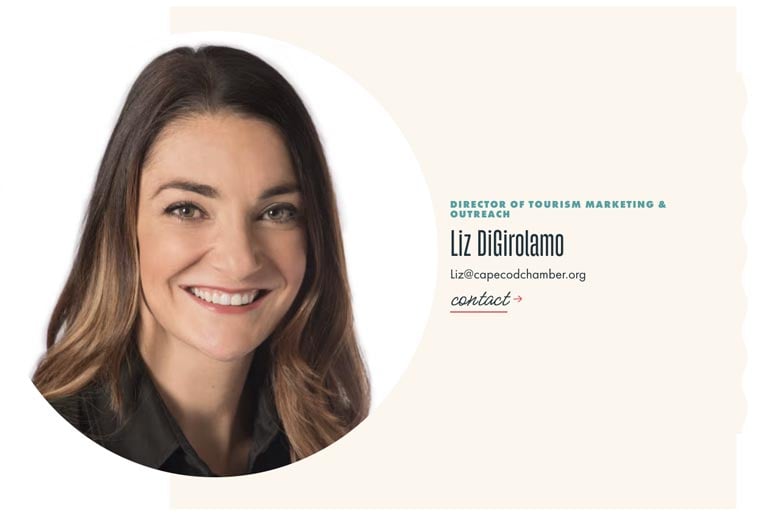
JOHN D: Okay, perfect. And she’s the director of tourism, marketing, and outreach at the Cape Cod Chamber. And Liz, there’s so much going on at the Cape. People think the Cape is Memorial Day to Labor Day, but you know, it’s really a year-round destination. And there’s so much for RVers to do here from the big park right at the Bourne Rotary at the canal to parks all the way up into Provincetown. Talk about why RVers should consider the Cape Cod for their next vacation.
LIZ: Well, thanks for the opportunity to talk a little bit about this. So I’ve done a lot of thinking about it since you reached out. And the Cape has anywhere from 25 to 30 locations. They’re all a little different, but it’s roughly 25 to 30 campgrounds total that spread, as you said, from Bourne all the way to Ptown. And I wouldn’t say the Cape is exactly undiscovered for RVers. I don’t know if that’s even the right way to put the demographic, but it is surprisingly underutilized, I think, compared to what it could be.
LIZ: And as you kind of touched upon, I think the gap comes down to a mix of perception and logistics and how the region of the Cape for the last years has historically positioned itself as a tourist destination. So it might feel a little bit untapped. I think that’s kind of what you were saying. Am I hitting that on the head?
JOHN D: Exactly. So, you know, effectively when people think of Cape Cod, one of the first words that comes to mind is food. And there’s food that you’re going to get at the Cape that really they say you’re going to get it at other parts of the country, but you can be at a restaurant on Cape Cod and the fish or lobster that you’re going to be consuming got off the boat an hour ago.
LIZ: Easily. I think, you know, obviously we are known for our seafood. Correct. So, you know, I think that you’re not going to find anything that’s more fresh. You know, a lot of our local restaurants even have their own oyster grants. So, they’re harvesting their own oysters fresh every week to bring into the offering. There’s definitely a diversity that has spread across the culinary world the Cape and that’s steering clear of what you would imagine is your standard cream and cornish fried seafood, soft serve ice cream, French fries, clam strips, steamers, what have you. So there really is something for everyone.
LIZ: The Cape is vast. So, you know what’s interesting and sets us apart, I think, than a lot of other destinations. It’s obviously, as you are familiar with, Falmouth to Provincetown takes an hour and a half plus to drive, right? It’s actually faster sometimes for you to get from Boston to town on a ferry that is a frost cake. So, I think that, because of the year-round culture and because of the cultural diversity as well, we’ve got everything from traditional Jamaican restaurants to Caribbean restaurants to Italian to various culinary trends. And you can find something in every individual town. So, if you got your own little favorite corner of the Cape, we could talk a little bit about what there is to offer and it isn’t all expensive.
JOHN D: No. And you know a common misconception that when people are coming to a destination for vacation that the food is going to be pricey. I think that is true for many of the restaurants and obviously market value and market price on seafood varies, but there are some really great hidden gems as well.
JOHN D: Little local hole in the walls. I mean even on Main Street Hyannis for sure find some hole in the walls that might not be right on the street but might be down a little alley and you can find food there that probably won’t find in other parts of the country because we’ve got so many different ethnic groups that have come to the Cape that live in the area for the past 100 years or so that really give you a diversity.
JOHN D: So food is one thing. Another thing that people talk about with Cape Cod and I want you to discuss this a little bit further is the beaches and there’s again the little town beach that is secluded to Mayflower Beach or to Craigville Beach which are open to the public and are huge beaches.
LIZ: Yeah. I mean obviously we are surrounded by an extraordinarily high mileage of coastline right on both sides. So there is over 550 miles. And we’re known for some of the finest beaches in the world, particularly along the national seashore, right? Which is like a 40 mile stretch of untouched beach on the outer Cape. And that coastline is obviously constantly evolving and changing. Every storm it changes, right? But there is something that kind of can suit everybody’s vibe, right? Or everybody’s taste.
LIZ: So you had mentioned Mayflower Beach, right? So you’ve got the Bayside where we call those the flats. So that’s where the tide goes way way way way way way out depending on the time of day and it leaves warm little tidal pools and they’re great for families and it gives us so much beach so that might be what somebody’s ideal beach day is. And then you’ve got places where you can take part in sports because of how the wind shifts around the coastline. So you’ve got like Harding Beach and Kalmus Beach and Hyannis where wind surfing, right? You know what I’m talking about.
LIZ: And then this is something that is going to fall in line with our discussion is you’ve got your off-roading trails so you’ve got your sandy neck Atlantic Ocean facing beaches like Nauset, New Orleans and this is where people enjoy bringing their RV vehicles out to camp and overnight. And then our wildlife as well. Everybody kind of knows they’ve heard the stories and for a while, shark tourism was a thing. But, there is some really healthy marine life. You know, you can go to Chatham Fish Pier and see the seals. And if you are at Nauset Beach, chances are you will see a seal head bobbing, you know, a few yards from the shore. So, there is some adventure to be had as well.
JOHN D: Yep. Yeah. And you know, I forgot this. I’ve put it down, but there are very few parts of the country that you can go whale watching, but this is a premier place going out of Barnstable Harbor or Provincetown and seeing these, you know what, you can’t imagine how big they are until they’re right next to you in the boat, right?
LIZ: Well, it’s pretty wild. Yeah. I think you’re talking about Stellwagen, right? Stellwagen is one of the world’s largest whale feeding grounds, which is located off of Cape Cod Bay. So, yeah, it’s pretty extraordinary if you get out there and you be going to be ready for a long haul, right? It’s about a 4 hour from if you go out of Barnstable Harbor, you’re getting way out there. So, you have to be ready to spend some time.
LIZ: When you do get out there, they’re, for example, Hyannis Whale Watch has a naturalist on board where they’re able to give you information above and beyond what you’re witnessing. And you’re right, when you are out there and you are seeing these enormous, beautiful whales breaching and you can hear them and you can actually feel it, you know, depending on the day. You are oftentimes accompanied by somebody who knows the name of the whale, how old that whale is, how long it’s been in the area, what its habits are, its likes and dislikes. It’s really an interesting experience and everyone should definitely do it at least once.
JOHN D: And our last thing that we have time for today is for those RVers. I think I see 50% of the RVs on the highway today are carrying bicycles. And there’s probably no better place to be off the road and enjoy a bike path than Cape Cod.
LIZ: Yeah. I mean, I think there’s over 300 miles of terrain for cyclists. And the best way to do that is to I would say the rail trail. So, we’ve got bike paths here. So, there’s the Cape Cod Rail Trail, which is a tongue twister, too. 25 mile off-road paved path. And then you’ve got the Old Colony Rail Trail, and that’s approximately 8 miles running from Harwich to Chatham. And then, of course, the canal bike path. So, that’s about 14 miles paved. And that gives you off-road and access to paved on the Sagamore. And then of course the Shining Sea Bikeway, which tends to be a favorite of a lot of locals. It’s about 10 miles of paved trails right down.
JOHN D: Yeah. And the interesting part that I find about the bike trails is that each of them takes you through some amazing little villages. It’s not just out in the woods, but some of them go through little towns that you can stop and, you know, get a pastry or a seafood roll or some lobster roll or something like that.
LIZ: You can stop along the way. That’s right.
JOHN D: Yeah. Liz, how about a place online that folks can go to get more information about the great opportunities at Cape Cod either with their RV or without their RV?
LIZ: Yes, of course. So, you can visit our website is capecodchamber.org. And another thing I would encourage your listeners to do is follow Visit Cape Cod on social media. So, we do have Facebook, Instagram, TikTok and YouTube. So, it’s @VisitCapeCod. And there’s often opportunities for folks to participate in giveaways. We just launched a spring getaway giveaway. So, anybody who’d like to enter for that, you can find that on our social media platforms, link in bio.
LIZ: But that’s a really nice way I think that Instagram and Facebook allow us to paint a picture through images as well. And that can be really images resonate, right? And I think that’s a nice way to see what life is like year round here. We spend a lot of time talking about what we call our shoulder seasons. And I do think that that would be a really great time. May, June, September, it’s kind of perfect. Fewer crowds, rates can be a little bit better. You can still get everywhere and see everything that makes Cape Cod special. Like you said, the bike trails or your coastal drives or get your fresh seafood and things are still open and the campgrounds that are actually close to the water you know space you know which is probably rare in our busier seasons.
JOHN D: So for food, beaches, biking, entertainment, and a good time, it’s all about Cape Cod. And Liz, we want to thank you so much for taking time from your busy day to be with us here on the RV Life podcast.
LIZ: Of course, it was fun and I’m happy to be here. Thanks for the chance to talk, let us talk about the Cape and why we love it, why you should come.
JOHN D: We want to send our listeners to come visit us. Thanks so much. Have a great day.
LIZ: Thank you.
JIM: You know, I didn’t realize there are so many different ways to enjoy RVing camping on Cape Cod.
RENE: Me neither. And honestly, the biking alone sold me. Any destination where you can bike into little towns and stop for seafood sounds pretty near perfect.
JIM: I liked her point about that shoulder season travel. September on the Cape sounds a lot less stressful than RVing with peak summer crowds.
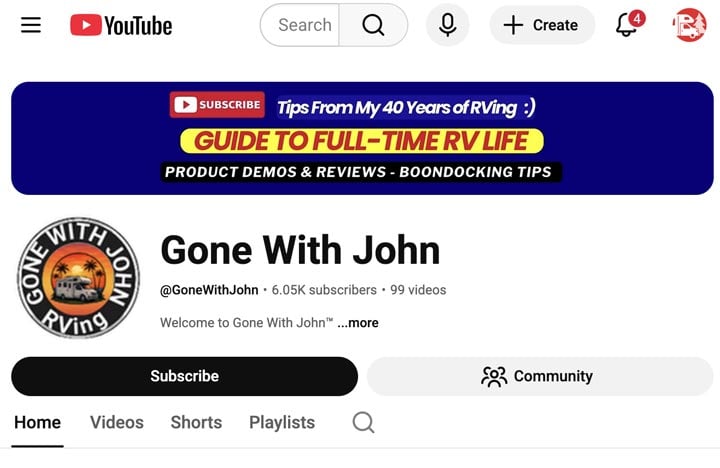
RENE: Oh, yeah. Now, our next guest has a very different RVing perspective. JOHN K is the John from Gone with John. He’s been RVing everywhere for more than four decades, and he’s learned a lot along the way.
JIM: That includes mistakes, breakdowns, oversized rigs, boondocking, budgeting, and figuring out things as he goes.
RENE: And honestly, some of his advice could really help new RVers relax just a little bit. Here’s our conversation with JOHN K from Gone with John.
RENE: John, thanks so much for joining us. It’s great to meet you.
JOHN K: Meet you too and thanks so much. Looking forward to it.
RENE: John, us too. I mean, I remember when I saw your YouTube channel and I thought we need to talk to him because you have the kind of experience that people can learn a lot from, especially RVers who are of a certain age, let’s just say, but we’ll get into that in a bit.
JIM: Yeah. You’ve clearly been RVing forever, but maybe you could just give us kind of the short backstory of when you first started RVing and then why you started to start documenting everything on YouTube, which I realize is fairly recently.
JOHN K: Yeah. Well, you asked for it. I got the travel bug back when I was 12 years old in 1964. I’m going to be 74 this year. My cousin and I did a cross-country camping trip through a summer travel camp and we rode in the back of an old army truck all across the country and those experiences stayed with me. It was amazing and we went everywhere.
JOHN K: And then when I got older and made some money started RVing in a van, not really an RV, but in a van back in 1982. And I did it up the best we could in those old Ford Econolines. Nothing like today’s, but I did go around the country four circles around four times in that old van in 19 and then in about 1988 87 88 I moved to a 40 I bought a 40ft travel trailer and a Dodge Cummins turbo diesel and it was amazing. But I learned really quickly that big doesn’t it can also mean like limited. It was too hard for boondocking. Couldn’t go places. Couldn’t turn around on streets. Couldn’t get into national parks. It got old very very fast.
JOHN K: So then I tried I bought a 36ft diesel pusher class A. And I ran it from LA to North Carolina up to Tennessee and back to LA. And honestly, it still felt oversized for me for the way I would like to travel. I mean the van was a lot more convenient for me. In 1990, I downsized. I bought a 29ft Holiday Rambler Class C, kept it for about 20 years. It got to be a beater. And in 2010, I bought my 30-foot Monaco class A, which I still have today. It’s an amazing coach. I love it.
JOHN K: So, I decided to start documenting my you on YouTube in July 2025 after I had got diagnosed with prostate cancer and I had prostate cancer surgery. My daughters encouraged me to share what I’ve learned over the years and to have something so the grandkids could see it. I didn’t know if I was going to be around. And the whole concept was really to help other RVers avoid the same mistakes that I made and I learned from.
RENE: And you’ve clearly experienced quite a variety of RVing and over a lot of time a lot of experiences.
JIM: A lot of different types of RVs. You were the original van lifer, John.
JOHN K: I was, but believe it or not, I’m hoping to get sponsored by the company that makes vans and let’s go do it again because it’s tough to go where I really want to go now in a motor home. I’d like to get a 4×4 big van where I could have slide outs and do what I want to do and get up to the high mountains and stuff. Can’t do it in this country.
RENE: Yeah. Oh, yeah. Oh, no. No. You’re a boondocker from what I understand. We were just talking about that.
JOHN K: Yeah.
JIM: Yeah, that’s a sure is a nice way to camp. Well, that’s just one way of camping and there’s all sorts of ways, but there’s also a lot of myths about RV camping out there and I would like you to explain in your experience. What is the biggest I don’t want to say lie, but myth that people fall for that they hear out there on social media and they think, “Oh, this is the way RV life’s going to be.” Give them a reality check.
JOHN K: I always tell people that are when they’re to get into it or whatever, just start. Don’t worry about things. The biggest misconception, especially for seniors, is thinking you have to do everything before you figured it out. You know, you just figure it out as you go. You know, you learn by experience and you learn how to set things up, the gear that actually matters, what apps and memberships will save you money, how to handle the little surprises that pop up when you’re traveling.
JOHN K: And you meet a ton of like-minded people. You get invited to various campfire conversations, swap tips, laundry at the laundromat. Suddenly you’ve got friends all over the country and you know what you’ll see places that you’d never bothered flying to. I mean, you wake up to scenery that feels unreal. You pick up new skills. I didn’t know anything about basic RV maintenance, motors or anything. Not that I do a lot of it now, you know, I could handle things and then you get used to the little stuff like cooking in a tiny kitchen. But, you know, again, nothing’s about here. This life’s not about being perfect. You know, it’s about being flexible. You start small, you stay curious, and you figure stuff out along the way, and you have a good time.
RENE: I love that approach. You know, I think the first year that we were on the road was just nothing but learning. And I think that if you stick it out long enough, you feel comfortable enough to go, “Yeah, I think this is pretty cool. I think I can do this.” Just don’t give up too soon and know that nothing’s perfect. I liked how you said in one video, there is no such thing as perfect.
JOHN K: Not at all. I see people buy these new and these $400,000 coaches. They take them out the first couple of days they take them out, boom, ding them, crack them up, or they’re on the side of the road in the back of the I don’t care what you have. Nothing’s perfect. You learn as you go and have a good time.
JIM: And John, I bet when you first started full-time, you were of the mindset of just go and do it and see how it went. Is that how it went?
JOHN K: I wanted to get back to where I was when I was 12 and just going all around and seeing all these things. It was yeah, just do it. Don’t care about all the little small stuff. Just go go go. Don’t worry about why my friends and my daughters and everybody I had so much flack when I did it, but not anymore. It hasn’t been that way.
RENE: So, tell us how that went for you. If you could go back and speak to your younger self back then when we were just getting into your first rig, what might you have said?
JOHN K: Don’t sweat the small stuff. Enjoy the ride. You know, when you first start, everybody thinks every little issue is going to be a big deal and they’re not cut out for it. But they are cut out. I was cut out for it. Things are going to break. Plans change. Weather always throws curve balls at you and you’re still going to be fine. I learned very easily how to troubleshoot, improvise, and handle these problems. And most of the time I had no choice anyway.
JOHN K: And every hiccup becomes a skill that you keep forever. And I tell people, you got to keep it simple. Focus on safety, realistic budget, having a basic backup plan. Don’t chase the perfect spot, the perfect setup, the perfect way. Don’t do any of that. You figure things out as you know what actually matters as you go. And you’ll enjoy the most of the people you meet on the road anyway. RVers are kind. They share tools, advice, and knowledge. And you know, it’s very easy to go up to somebody and say, “Hey, I’ve got some questions. Maybe you can help me with this.” And they do all the time. Those little everyday moments end up being the memories that I was happy and I still am happiest with.
JIM: Absolutely.
RENE: Yeah. And I think a lot of times we tend to overthink things and we overthink decisions. What do they call it? Analysis paralysis. So we can’t let that happen when we want to take a leap into this lifestyle. Now you mentioned a key word back there. You mentioned safety and I know that you have a really good video about it but
JOHN K: I got a few.
RENE: Let’s yeah, let’s talk about safety. I want to know what your experience has been RVing. A lot of people these days, you know, they’re putting up security cameras and flood lights and things like that. What has been your experience with safety on the road? And then I also want to know what is the one habit that you’ve developed when you go to a new location? How do you keep yourself safe?
JOHN K: Great points. Great questions. I haven’t had that much trouble. I’m 6′ three and I’m pretty astute and I’ve been doing this a long time and I don’t put myself in situations that could be risky. And the one habit that I never skip and I call it my 90 second don’t commit yet arrival routine. I do it religiously. I stop short of where I’m going to stay. I can’t say in a campground but let’s say if it was even a campground because not all campgrounds are great either.
JOHN K: I want to stay mobile till I know I can get out of that spot in and outs clean. If I’m towing which I always tow my car behind me, I keep the wheels straight. I stay hitched. My phone always stays on and with me. I check my exit. I want to know if there’s any low branches, tight pulls, soft shoulders, ditches, blind turns, because all that decides on how I’m going to spend that night, if I’m going to be okay. If I can’t pull out clean and fast, I switch to a pull-through at another spot or I do a different site before I back in and commit to any spot.
JOHN K: Only after I do all that, I will I’ll do another routine, which I have a video about called lights, locks, and location. And I say it every time in that order. When I stop, when I park or go to a fuel stop or just settle in the lights, can I be seen or can I see or be seen? I don’t use my phone, I use a flashlight when I go outside to see if know what’s around me. Locks. I want to know my rig and my tow vehicle is secure with a key that I could grab fast. And location, I have to have clear sight lines and two ways out. If any answer to those is no, I’m out of there.
JOHN K: I also one other thing is I also want to confirm I have a signal. And if I don’t, I have a Garmin inReach. It’s always charged and I stage it right by the door. And I also have a I do a quick weather check with radar and satellites and stuff. And that’s my go-to routine wherever I go because again, as we mentioned, I’m boondocking. It could be in an urban area. It could be out in the sticks where nobody is. I do the same thing wherever I go.
JIM: Those all good points there, John. And you mentioned something else earlier about seeing folks taking off in their brand new rigs and dinging them up. So, let’s talk about the money and the budgeting for a minute. Maybe you’ve seen those people leaving the lot in their Brinkley and who knows what they have a kind of mortgage or not they have on it, but what do you see is the most common budgeting mistake that people might be making out there when they get their first RVs or even later in life on the road?
JOHN K: I can’t really say what their mistake is, but maybe they can learn from some of what I’ve done. For me, my smartest budgeting decision is that I stay needs-based, especially with gear. I only buy what I actually use. I skip RV gadgets that look smart in the store on Amazon and I stop wasting money and space. Space is very valuable to me and what I carry as far as weight is very valuable. Every item has to earn a spot. If it doesn’t, it’s gone.
JOHN K: Second for me is my food routine, which saves me a ton. And I’ve been on a plant-based diet for over 20 years. I shop smarter. I go to farmers markets. I do better grocery stores instead of convenience stuffs. And I cook and prep most every meal. That one habit protects me, my budget because travel food is where the money disappears fast and you can get really unhealthy very quickly eating that crap on the road.
JIM: Mhm.
JOHN K: As I said, the most common budgeting mistake I do see is people buy their way into comfort, which I kind of mentioned before, tons of gear, the expensive RV upgrades just in case stuff before they even know how they can travel, tow anything, they buy the wrong tow hitches, you know, I see people with travel trailers that don’t have the weight balancers in the back, the sway bars, and they’re all over the road.
RENE: I have to agree with so much of what you said. I mean, it you budget for the things that are necessary and then everything after that is icing on the cake, but don’t buy your way into the creature comforts because I think that’s where things can go wrong really fast, especially if you’re not prepared for a type of roadside emergency or a new set of tires. I mean, it’s not a free lifestyle. People think that it’s low cost, but you know, your money just shifts where you spend it.
JOHN K: My biggest cost is gasoline, and other than that, it’s not much. I know how to get water pretty much anywhere. I have a composting toilet, so I don’t worry about going to dump.
RENE: Nice.
JOHN K: I’ve got over 16 kilowatts of lithium batteries. I’ve got 2.5 kilowatts of solar on the root. I’ve have foldable portable panels as well. I mean, I don’t really need to be in parks. I don’t have to spend. My budget’s a lot different than the average person.
JIM: Yeah. And that shows a super high level of commitment to this lifestyle. And that’s what I especially love because you’re sharing so much good experience that’s so useful whether or not somebody is strictly into boondocking or RV parks or maybe a little of both. But what keeps you committed to the type of RVing that you like to do? because we used to boondock a lot more than we do now and I think we got a little lazy. You’re really adventuring out there, John. I’m really in awe of your solar setup and how you travel. But what keeps you committed to it?
JOHN K: Thank you. Well, what keeps me committed is freedom. It’s really the freedom. Being able to wake up in a remote place, wake up at the beach or in the mountains, meet new people, and having new experiences, which goes back to when I was 12. I’m just not built to stay in one spot. I do own a house free and clear in a great area. One of my daughters lives there. I go back once or twice a year. That’s about it.
JOHN K: The best part of this for me is there’s no calendar to follow. There’s no deadline that forces me to come back Monday morning. If a campsite feels peaceful to me, I might stay there an extra week, an extra day. If it doesn’t, I move on. I chase the seasons, beaches, mountains in the summer. And I aim for sunny, warm weather. And in the winter, even in the summer, I like you’re here in California, you know, this is it’s fantastic. That familiarity calms me way down than hotels could ever do it. I have my bed, my kitchen, my animals. So, my motivation has not really changed over time. If anything, it’s just gotten better building my travel around what feels good for me.
RENE: You know, you said the magic word there, John, freedom. That’s the whole reason you’re doing what you’re doing. And it comes down to freedom for me and so many people living the default life. They are seeking that freedom and they want to retire and buy an RV and hit the road. For those people out there that are planning the trip and they’re going to retire and hit the road or they’re just at a certain age and they want to start RVing, what’s the first step they should take?
JOHN K: Do this the right way so they first I left one thing out also before when I am camping sometimes like I am today. It I’m outside of Los Angeles and I get comments about you can’t stealth camp. You can’t boondock in a city. Let me tell you, I have boondocked in New York. I have boondocked in Los Angeles. You do it right and I have videos about it, but they don’t believe a lot. I get com, oh, you can’t do that. I talk about the knock on the door and all that how you avoid it. It’s a realistic lifestyle and you can do it.
JOHN K: So, to answer your question, rent a rig for a week or a weekend. Better for a full week or two weeks. Treat it like it’s a full-time lifestyle rehearsal, not a vacation. You’re just not testing the RV. You’re testing the routine in the lifestyle. You’re going to live normal days in this thing. You’re going to cook every meal in it. You’re not going out to the restaurant, make your coffee, shower, use the bathroom at night. Spend time inside. Go where it’s windy, cold, and raining. You need to experience that. Are the aisles too thin? Do you have problems? Do you want a slide out? You don’t. You’ll learn about camping spots if they feel good.
JOHN K: And so you basically it’s a dry run and it’s going to let you know real quick if you like this lifestyle. Don’t go out and spend a great idea on a motor home. Don’t do that. Don’t get a $30,000 trailer. Try it first.
RENE: That’s a great idea.
JIM: Yeah. I love that there are so many options now to rent RVs. I mean, those weren’t around even 10 years ago. You didn’t have a private person-to-person rentals going on.
JOHN K: Right, they weren’t around at all. Yeah. Well, I try to talk on the channel about my experiences and what I’ve learned and some shortcuts out there. I’ve got four videos coming up today and tomorrow which I think people are going to really like as well. A little hack.
RENE: So, tell everyone listening, John, what is that channel? Where can they learn more?
JOHN K: Gone with John and it’s K-A-H-N.
JIM: Yes. Check it out on YouTube, folks.
RENE: Thank you so much, John. It’s been a pleasure having you here.
JOHN K: Nice talking to you. Great to see you. Maybe we’ll run across each other somewhere.
JIM: I hope so. I loved that conversation.
RENE: Me, too. John has that calm confidence that only comes from rolling with this lifestyle for a really long time.
JIM: And I think a lot of people need to hear what he said about not waiting until everything feels perfect before getting started.
RENE: There’s no such thing as perfect. The RV life is basically one long learning experience. If you wait until you think you know everything, you’re never going to leave the driveway.
JIM: I also like his safety routine. The whole lights, locks, and location system is practical and simple and realistic. He’s clearly thought through how to stay flexible and prepared without living in fear.
RENE: And speaking of flexible, let’s shift from RV freedom to storytelling on the road.
JIM: Right. Speaking of stories, Rose and Glenn had a chat with Jack and Claire Kennedy about their independent film, You Are Here, and how RV travel is playing a lead role in their nationwide film tour. See what I did there?
RENE: This RV entrepreneur segment is such a unique mix of film making, entrepreneurship, family travel, and RV life. You are here with Rose and Glenn and the creators, Jack and Claire Kennedy.
ROSE: Welcome, Jack and Claire. Thank you so much for joining us today.
CLAIRE: Thank you for having us. We love being here.
GLENN: This is going to be good. Okay, Jack, you’re an actor. You’re a writer and producer. And Claire, you are a writer and producer. You both just recently produced an independent film called You Are Here and it’s based on a life experience that you, Jack, you had.
JACK: Yeah. A broken down 68 Winnebago out behind the mechanic’s shop for 9 and a half days while he was trying to fix my car.
ROSE: Yeah. We can’t wait to hear the rest of that story and your plans to promote this film on the road with your family, your two dogs in that RV, right?
JACK: Yes, exactly. Well, the one that’s in the movie, not the old 68 one, but our yes, that’s right.
GLENN: Nice. So, can you guys give us some insight into what You Are Here is about and how an RV really ties into the entire theme.
JACK: Yeah, absolutely. Annie, do you want to speak to the you are here? You’re more philosophical than I am.
CLAIRE: Oh my goodness. Wow. Pressure. Okay. Well, actually, I think I see the You Are Here film slightly differently than he does, which is fine. He’s the writer. I’m the director, but he’s the star. I don’t know who gets more credibility. I’m not sure. But I like to think of it as a really sort of hopeful story about a couple different things.
CLAIRE: One of which is that it’s never too late to become who you want to be, basically, I think is a really big theme of the film. And part of stepping into who you are is realizing that wherever you go, there you are. So, you know, whether it’s the back of a mechanic shop where you’re stranded or Los Angeles where you started out or New York where you’re trying to get to, it’s going to be the same you every which way until you decide to make the change and be who you’re going to be.
JACK: Yeah. And it’s about being in the present moment, you know, dealing with anything you have in the present moment. And our experience in RVing is you are always dealing with the present moment. And if you are not, you’re going to miss out because there’s so many awesome things to see and so many little places you can pull off to and just go visit that you would never know about if you weren’t riding around the RV. And I think that’s important if you’re RVing across the country, be present in where you are and enjoy the heck out of it.
ROSE: You’re right, because that resonates so well with every one of our RV listeners who either live full-time or just take part-time trips that you are so in the present and it is, wherever that RV is is where you are. That’s your home. You embrace the culture, you learn everything that the people have to offer. It ties in.
JACK: Yeah. And if you take the chance to dive in with locals and meet the people, it becomes a much more rewarding experience, right? It just becomes from black and white to full color. Absolutely.
GLENN: Yeah. And as RVers, especially in the beginning, we tend to rush and go go and I want to see this and that but then you learn after a while that okay, that’ll burn you out real quick. You need to slow down and like you said, enjoy and be in the present.
JACK: Yeah, absolutely.
ROSE: Yeah. So let’s talk a little bit more about this film. When does this premiere?
JACK: Basically, our world premiere is going to be in Las Vegas on May 26th at the Beverly there. And we are taking this on a 25 city screening tour. So I guess officially every city is going to have its own premiere of You Are Here throughout the summer.
GLENN: That is awesome. And so explain a little bit more how you’re taking it on the road, you’re using an RV, you’re promoting it.
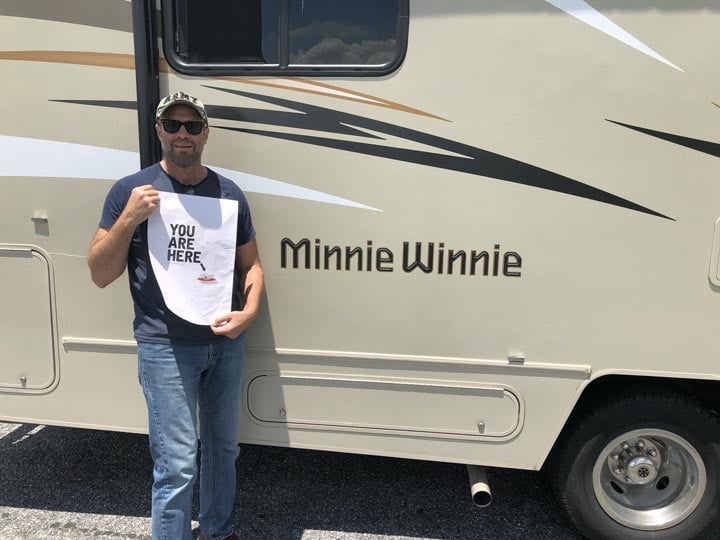
JACK: Yes. So, we have this 2019 Mini Winnie Winnebago and we’ve had it for a few years and we used it as a main character in the film and that’s because when I was stuck there in real life, that’s what really made me say I want to it inspired me the great American road trip just being in an RV. And the mechanic Ray who I play in the movie but he was a real guy and it was his dream. He had bought this RV to get out of the city and go see the America, but he never left. It was just sitting in the weeds.
JACK: So the fact that our RV was in this plate of character, we just said, “Hey, let’s take this on the road and distribute it because the banner will hang on the back of our RV.” So, it’s great. You can’t hang that on a car. But yeah, it just seemed like a no-brainer to jump in, travel around the country, bring this film to wherever we can and rally people around it hopefully. And it doesn’t hurt that it matches the 250th birthday of America.
ROSE: I was going to mention that. Yes.
JACK: It’ll be incredible. I want to show we’re going to be in Philadelphia, you know, I want to show our kids the Liberty Bell and teach them some of the culture about America that they have no idea about.
GLENN: There’s a lot to learn and there’s a lot to discover about that culture. I didn’t even see that tie in. That’s pretty cool. Did you guys film any scenes in the RV or is it just outside? Like, how did that go? I’m sure there’s a lot of logistical things with filming like that, too.
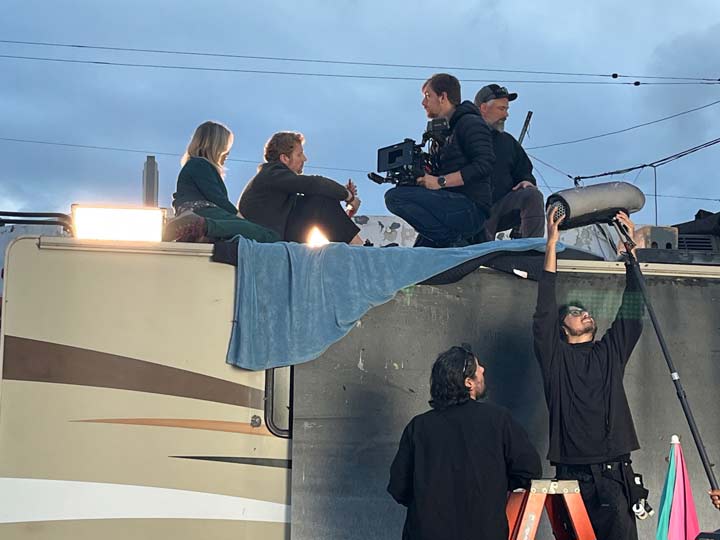
CLAIRE: Yeah. No, we shot both inside and outside of the Winnebago and also on top of the Winnebago, which was a challenge, but it was great. She looked fantastic in every weather. We did have an unfortunate awning incident. The awning did fall in the middle of a take, so that was a little awkward, but it all worked out. No injuries. So, I think that she looks Jack likes to call it Larry, but I call her her.
JACK: I think the Winnie I think she looks pretty good. Especially for her age. It was very inappropriate for me to say, was it filming inside of Larry? Was kind because we get the lighting correct because we
CLAIRE: It was a little awkward. No, actually it was great. I mean, it was a little tricky with our sound people. A little tight space, but it worked out well.
JACK: It also did double duty as a holding area for actors and anyone who needed to just work because it was on set every day with us whether we’re using it or not. And so yeah, double duty. It was fantastic.
ROSE: That’s true. Can we back up to how you’re going to promote and travel the entire country? How do you get the word out so that people find you?
JACK: Well, first of all, open to ideas. It’s things like every little touch helps. And it’s a lot of social media marketing and frankly the backbone of this, what makes it possible is I am very blessed to have lived all around the country, North, South, Midwest, the West Coast and I graduated from West Point. So, a lot of my friends are really good friends and they live all around the country. And so in every place we’re going, I have one of these or a few of these people I can call and say, “Hey, help me gather people you know, go promote for me.” And without me being blessed with these really great friends, this would probably not work. But, that’s what we’re relying on, our networks.
GLENN: Impressive background, by the way, West Point. Congratulations. It’s very cool.
JACK: Appreciate it.
ROSE: I want to know how long this film took to produce. I mean, as an independent filmmaker, was this your first film? And then, like, how long did this take?
JACK: Yeah, it’s my first film. I had the final version of the script. I mean, we changed it for a set, but I finished it in 2012 and I was going to film in Shamrock, Texas on Route 66. I had a bunch of stuff planned. I did an Indiegogo campaign, raised some money. I got a few people attached and it all fell through and I attached Judd Nelson to the script in 2015. So, he was hanging on for 10 years while I kept trying to maybe get money and think COVID happened. We were almost getting ready for COVID. We did a great stage reading and it went off well. Some producers came to me said, “Hey, let’s make this.” Then the business shut down. So, basically, it’s been a good almost 15 year journey just to get this shot.
GLENN: Yeah, that’s amazing.
ROSE: Yeah. What’s involved for handling all the production yourself? I know it’s a really big question.
JACK: You have to do everything. And what you realize is movies, when especially on a Marvel movie and you get the end, you roll the credits and it’s about 5 minutes of credits because that’s how many people worked on it. You know, we’re going to have about 20 seconds of credits and so you don’t have the people. So, you have to learn everything. And if you don’t know how to do it, you got to figure it out. That’s the toughest part.
CLAIRE: But I will say that we were incredibly lucky to have some pretty amazing people come and join us on this adventure. And the people who came and stuck it out with us were really spectacular. And there’s no way we could have done it without them. Whilst it does feel like you’re doing an awful lot yourself, you are. It’s impossible to make a movie by yourself. It is the most collaborative art form. And it’s better because of it. And that’s all of the energy that they bring is what makes it what it is.
JACK: Yeah. And I did learn that the most important people on the set are not the actors for sure.
CLAIRE: Oh, news flash actor learning something new. Actor, not center of universe. Oh my god. I just say the center of the universe.
JACK: But it is I mean you can’t do this stuff without the crew. The people you can’t I mean I know it’s stupid but yes you cannot do it. I admit it. You can’t do anything without this crew. All right.
ROSE: Welcome back. We’re just glad you made it.
GLENN: Glad to catch up. I’m awake. I’m awake.
ROSE: I love this. Are there any business systems that because we always talk about business systems that the solopreneur, the entrepreneur that they run while they’re on the road. I realize you aren’t on the road at the time filming this, but are there any systems that you use that are so powerful that they keep everything in line to run your business?
JACK: Here’s some here’s a moment for some pure honesty. It’s absolute chaos. And the problem is we don’t have systems. And when you’re
CLAIRE: Give us a second. We’ll come up with one though. Go ahead. You talk. I’ll think. You know, I don’t and you guys probably know this. When you’re younger and the kids, our kids are eight, six, and four and we used our house as the base camp for this shoot in particular and our RV is the base camp while we travel and we’re living there and so you’re doing your business and you’re living in the same spaces and you know we just we can only deal with the kids it’s just like we got to keep them afloat and let the business try to work itself out and cross our fingers.
CLAIRE: Well, I mean I think I don’t know if this helps at all but I think what’s nice about the RV when it comes to the business is the sort of like the latitude that it gives us because it gives us a certain amount of flexibility that we couldn’t otherwise have. You know, it’s like I was saying before that we could never the distribution model that we are sort of pioneering this time around is only possible because of the RV. So because we can bring our entire family and our dogs and we’re creating a sort of little traveling exhibit to accompany the red carpet for these premiere events. That’s only possible because we have the RV. And so I think in terms of a business system it’s the flexibility in fact that we sort of unfortunately for better or worse embrace regardless. But in this particular instance it’s just a massive benefit because otherwise it just would not be possible at all.
JACK: That’s true. So the Winnebago is our business system.
ROSE: Excellent. Common theme that we hear that a lot from other RV entrepreneurs that the flexibility that the RV gives them and point for you to promote is huge. So, but as you promote, you guys are sitting on like a total social media gold mine to promote this. Are you tapping into every aspect of social media?
CLAIRE: We’re trying to. I have to be honest. I have been social media free for the past 10 years. So dipping back in I am re-engaging but it is I think what’s interesting for me sort of on the outside getting reacquainted by social media is all of those different touch points that we do sort of hit which is movies but also all the things that tie into that movies but also RVs but also kids but also traveling with pets. Like there’s just a lot of different slices that we kind of touch on and so we are hoping that we can speak to all of those different communities and hopefully give them
ROSE: That’s what I mean. There are so many touch points. Jack, you have a social media presence.
JACK: Yeah, I’ve been using more and more LinkedIn actually for this. But LinkedIn and Facebook I use a lot and then Instagram. I don’t know. I have a lot of problems with that. Not because it’s bad, but because it just doesn’t let me do what I want to do.
CLAIRE: Yeah. But we did a production assistant Joelle on our film has jumped in. She’s helping us with the website and social media stuff. So, she’s young much younger USC grad and to add some chaos to our trip. She’s going to join us for part of it. She’s going with us for like a probably hopefully like a month-long stint to help us on this tour. But she’s amazing and we there’s no way we could do this without her.
GLENN: That’s helpful. You guys will need that as tight as it may be. You’re really going to need
ROSE: But you guys seriously, Jack, focus on everything. Craziness with the kids, craziness with the dogs, not just promoting the film because people want to see the reality of you and what
JACK: Yeah. We would like to make a little documentary about the trip, not really focused on the film, but on this trip. The fact yeah, we’re doing this, but our first trip we were in Charlotte a few years ago and I wrote a children’s book called The Cow Who Lost Her Moo and Claire went into this little bookstore, independent bookstore and got them to buy some copies and they’re like, “Hey, we want the book about you guys traveling around the country with the dogs and the kids.” So, you’re right. I mean, people want to hear that story. So, hopefully we can tell that one this time as well.
ROSE: And you can vlog it. You can just do like I saw a couple things on your LinkedIn. You were starting about the You Are Here film and how it came to be and choosing actors and like all that. That’s great. Keep going with that. Claire, I assume that you travel with a bunch of camera gear.
CLAIRE: I’m actually more of a writer to be honest with you, so I’ll probably be writing. But Jack actually, he should send you the link. The Cow Who Lost Her Moo has a blog that I confess is pretty funny. Just the general exploits of the children and him. The other child. The big one.
JACK: The big child.
ROSE: Yeah, the big child. I think I have that you sent that on the link, correct?
JACK: Yeah.
GLENN: Okay. We’ll add that to the show notes.
ROSE: So, quick, let’s get into the route. Like, how did you choose this route to promote this film?
JACK: Well, we knew our end point. We knew we wanted to go from here all the way up to Maine and we knew we wanted to get down to Florida and then across the south. So, we just had to It was really choosing do we go through like Texas first or do we go north and go through like Illinois and Indiana all that first? So, we chose the northern route. And then just picking cities, I moved here from Chicago, so we’re doing Chicago is going to be one of the first ones in Milwaukee and then three cities in Ohio. We’re just going to keep going east all the way up to Bar Harbor, Maine, and then work our way down the coast and be right in the heart of DC, Philly, all that cool stuff for the Fourth of July.
GLENN: That’s going to be a great area to be at that time.
JACK: So, that played a part of it, too. I wanted to be in the heart of the early America for the kids when we hit the Fourth of July weekend.
ROSE: That’s great. And the northerly route is perfect for the summer, too. You don’t want to be south in the heat. So, perfect. When this film comes out, You Are Here, how are our listeners able to find it?
JACK: It will be for sale on our website, youareherethemovie.com. And then the other factors are us getting it into more theaters. So, as we travel around, we’re going to talk to theater owners and say, because normally have someone go through it and they do all the deals, but we’re going to talk to theater owners and say, “Hey, will you run this for a week or two?” So hopefully we’ll get a lot of independent theaters around the country doing it.
JACK: And then after that, it’s going to be either streaming or we find a distribution company that will get it onto a screen. But more than likely, the business, how the business works these days is going to be on a streamer and for a while you’ll be able to buy on Amazon or Apple and then hopefully a network, Netflix or someone picks it up and runs it. There there’s just so many avenues you can go with it and we hope that our hustle on this tour and what we can do will actually lead to something much bigger than we are even dreaming of right now.
GLENN: I hope it does.
ROSE: I hope so too. I can’t wait. And is there any other website or anything else you would like to include for people to find you guys and what you’re doing?
JACK: Yes. TheCowWhoLostHerMoo.com and that’s where you do my you can find my blog and the children’s book about a cow who loses her moo. It’s supposed to be a metaphor for your happiness is your moo. And sometimes we lose our moo for no reason. It’s just part of life and we don’t have to go looking for it anywhere else except right inside of us.
ROSE: That’s nice. Not to be confused with Mojo, but yes, Jack and Claire, this has been so much fun. I thank you so much for taking the time coming on today, sharing your story and how you’re promoting this film. It’s been really cool listening to this.
CLAIRE: Thank you for having us.
ROSE: Before we close this, is there anything else that you would like to add or that you think our listeners would like to hear about You Are Here or anything?
JACK: I would like people to know that this is a story about America. The idea, the background is the great American road trip in that dream. And I think if you are in an RV right now and you’re listening to this because you’re an RVER, you are definitely living the dream. And also just the independent film is so important and it’s becoming really hard to do in Hollywood you need to go outside and you can’t get distribution for them they’re not putting them in theaters so you supporting independent film and this if you see us on the tour is going to go a long way to helping indie film get back on track and find its place in the world.
GLENN: Well said.
ROSE: Well said. I’m glad you added that. Thank you.
JACK: Thank you.
ROSE: Jack, Claire, thank you both for coming on today. You guys are lovely you’re awesome thank you so much.
JACK: Thank you.
JIM: That has to be one of the most creative RV entrepreneur stories we’ve had on the show.
RENE: Oh, yeah. Using an RV as their traveling film tour headquarters. It’s such a cool idea.
JIM: And it really fits the theme of their movie, too. Being present, slowing down, connecting with people and places along the way.
RENE: I also loved how honest they were about independent film making. It’s a messy, exhausting, collaborative thing. Definitely not as some people might think it is. Kind of like RV Life, right?
JIM: Oh, yeah. And speaking of how RV travel habits tend to change. Our final conversation looks at what’s happening across the camping industry right now.
RENE: Bob talks with campground and RV industry consultant Sandy Ellingson about newer campers, social trends, glamping, and why younger travelers are looking for real world connection again. Here’s Bob with Sandy Ellingson.
BOB: All right, today we are talking to Sandy Ellingson, RV consultant, campground consultant known throughout the country. Sandy, welcome to the new RV Life podcast.
SANDY: Hi, Bob. I’m so happy to be here. I feel honored that you asked me to come on.
BOB: Happy. You know, it’s coming around to camping season now. So, we should look at maybe some of the new camping trends and maybe some forecasting for what we think given all the issues in society today in the world. What’s camping season going to look like to you when you talk to your campgrounds?
SANDY: Well, it’s really interesting. We’ve done some new research and so we’re going to be giving some great advice at some of the conferences to our campgrounds. But one of the things that we’re finding is that those people who are committed to camping are still planning on camping. They’re not, even though gas prices are up and certain things are uncertain, being able to get out in God’s beautiful country and camp is still a benefit to them. And so they’re going to be camping. They’ll just be going closer to home, not necessarily traveling as far. So we are expecting those committed campers to still camp.
SANDY: We’re starting to see a little bit of interest more in the Gen Z generation and some of our parks are learning more about how to reach this generation. And so I think you’re going to see a lot of event or themed type opportunities happening inside parks. We’ve been doing some already in some of the places that have already been warm and what’s really interesting is we had a park that literally did a weekend course on how to build a campfire and they had 90% occupancy and it was of that 90% probably 65% were under the age of 30.
SANDY: And these are people that didn’t necessarily grow up camping nor did they grow up where they were out building campfires and so it was of great interest to them. Many of them travel there by themselves and so they were interested in connecting once they got there but they weren’t afraid to travel by themselves. So all of these are new trends, things that are different that we need to learn about and we need to know as a campground. But I think also I started out as an RVER and a camper and so I want to know who do I want to bring into my camping community because I want to see this grow and thrive and so I can now recognize, hey, that person might be traveling by themselves. Let me make sure I go and take that extra effort to go invite them over to coffee or to invite them around the campfire. Those are some of the cool things we’re seeing.
BOB: Don’t you think that when we look at society today there is a trend that Gen Z’s and others are trying to find a way to get off their devices and get into nature somewhere else where they can communicate with people they’ve been doing it with phones and tablets and computers and you don’t have that human interaction and certainly camping is a spot where that’s ideal for them.
SANDY: Right yeah. And I think that some of that comes actually out of COVID because it’s funny how sometimes you don’t realize how important something is until it’s gone. And so I think a lot of the younger generation grew up with their devices. In the back of their heads they were still thinking I can go over to my friend’s house if I want to and see them face to face. They just didn’t. And then suddenly in COVID when we couldn’t do that it was like wait a minute I don’t think I’ve paid enough attention or have forgotten how important that face to face was.
SANDY: So we are absolutely seeing a lot of that where people want to lay down their devices. In fact we actually have one park who is testing what they call the no device zone. And when you come into this building in their park, you have to put your device in a box. And so they go in and then when they leave, they can get it out. But what was funny was they’re treating people as if they’re addicts when in honesty we all are.
BOB: I mean, have you ever felt your phone vibrate on your hip and it wasn’t there? No.
SANDY: Gosh, I find myself wearing my phone in my pocket and there are days when I feel like my hip is vibrating and I reach for my phone and it’s not there and I’m like my body is reacting to a phone that’s not there. That’s definitely a problem. So I wonder if that’s not something we need to all really focus on and get away from.
BOB: That hasn’t happened yet.
SANDY: Well Bob, you’re not using your device enough.
BOB: Had to use it a little bit more with respect to camping trends. Is glamping still very popular and growing? What’s the demographic of it?
SANDY: Well, I think it depends on who you’re talking to. So, I think that tourism as a whole is down a little bit and but I think that people have so many opportunities sometimes that can create that all by itself because you’ve got to make a decision about what to do and sometimes that’s overwhelming. I do think especially moving forward with younger generations, they’re going to look at am I going to Airbnb it? Am I going to go to a campground? When I go to the campground am I taking my RV or am I going to stay in a tiny house, right? Or am I going to backpack and just tent camp?
SANDY: I mean, there’s so many options out there that we’re now fragmenting a group of people who are travelers. And I’ve even started retraining myself where I don’t even try to refer to myself as a camper anymore. I try to refer to myself as a traveler because even I’m as much as committed as I am to camping and RVing, I realize I’m truly a glamper. I like the idea of glamping, but the thing about glamping is for me, it’s more of that one-time experience. You like to go and experience the treehouse, you know, and then you might go experience another kind of treehouse in another location, but you don’t necessarily go back to the treehouse over and over again versus a campground.
SANDY: You form community in a campground. And so, a lot of people will go back to the same campground over and over again because of the community. So, I think that’s something that’s different about glamping versus camping. And I do think that the term glamping when I started glamping was when you were going camping in an RV. And so I think glamping has almost gotten caught up in the same kind of problems that the camping industry did in that they kind of appropriated that term, but it’s really not clearly defined. And so we really need in this industry to kind of go back and revamp and talk about the language that we use especially as we bring younger people into the entire ecosystem.
BOB: It’s interesting because our youngest daughter does glamping up at Terramor up in Maine and
SANDY: Right.
BOB: She goes back every year typically the same week and kind of a celebration. I think it’s near their anniversary but they they wouldn’t miss it. They love it.
SANDY: Well, and I think Terramor is more like camping since it’s a KOA property because it’s a lot of units in one place and you can form that sense of community versus now a lot of the glamping units you’re not going in and finding, especially when you’re talking true glamping. It might be five or six units on a property and they’re all a little bit different. And that’s kind of what I think of as the glamping, the true glamping, the way it started versus the Terramor where it’s really an extension of camping to me.
BOB: Well, also it’s close to Acadia National Park and Bar Harbor, so it’s in a more camping friendly environment where you can do other things where some of the glamping facilities are out in the boondocks and they’re doing boondocking but they’re doing it in a glamping tent.
SANDY: Yeah. And it’s a destination location as well.
BOB: Exactly. So, what types of shows are you going to be speaking at this year?
SANDY: Well, the biggest one that I’ll be at is the Florida Alabama park association which is at the end of this month. That’s going to be different because we’re actually really kicking off a whole generation of new types of sessions, information. I think we’ll see even more coming out of this show, ways of revamping and bringing in newer people and newer concepts to what’s happening. So, that’s the big one for this year, but then I’ll also be at some of the other state association shows as well as all of the, you know, the Tampa show and the Hershey show. Can’t miss those.
BOB: We always love to have you visit and give us an update and I want to thank you very much. We’re talking to Sandy Ellingson, campground consultant and outdoor hospitality consultant. We will see you down the road and thank you very much for joining us today, Sandy.
JIM: Sandy makes an interesting point there about how people are wanting to disconnect from devices and reconnect with each other.
RENE: Yeah, well, camping naturally creates that environment, campfires, conversations, community, and slowing down a little to connect with strangers.
JIM: I thought her comments about younger campers were encouraging, too. There’s a whole new generation discovering camping without necessarily growing up doing it with their family.
RENE: I laughed at that whole how to build a campfire weekend, but it drawing a huge crowd is really saying something.
JIM: Yeah, it really says something about where people are emotionally right now. We’re all craving experiences that just feel real and the RV life definitely delivers that. This has been another fun episode of the RV Life podcast, and I’ve been Jim for RV Life.
RENE: We hope these conversations inspire you to explore somewhere new or try something different. So, why not share that with the community? Join us in the RV Life or RV Entrepreneur groups on Facebook or see how easy it is to share your story with listeners at podcast.rvlife.com.
JIM: As always, you can connect with our guests and find any resources mentioned on the episodes page, including Visit Cape Cod, Gone with John, You Are Here and Sandy Ellingson’s campground industry updates.
RENE: Thanks for taking another trip with us today. It’s been a good reminder that the RV life isn’t about perfection. It’s about freedom, flexibility, great people, and discovering what matters most along the way. And if all the little things in your RV life are starting to feel really big, remember…
JOHN K: don’t sweat the small stuff, enjoy the ride.
RV LIFE: RV life. RV life. RV life. RV life. RV life. RV life podcast.
RV LIFE: RV Life Pro isn’t just a service. It’s an all-in-one solution designed to make your RV experience simpler and more enjoyable. From planning your trip with precision to maintaining your RV with ease, we’ve got you covered every step of the way. Don’t just survive the RV lifestyle, thrive in it. Visit rvlife.com to discover more about how RV Life Pro can enhance your journey.
FAQs About RV LIFE Podcast Episode
Yes. The Cape has roughly 25 to 30 campground options from Bourne to Provincetown, plus beaches, bike trails, seafood, whale watching, and strong shoulder season opportunities in May, June, and September.
John encourages people to start before everything feels perfect, rent an RV first if possible, keep safety routines simple, and learn as they go. His core advice is not to sweat the small stuff.
You Are Here is an independent film by Jack and Claire Kennedy that grew from a real road trip experience. They are taking the film on tour by RV, using the rig as both transportation and part of the story.
Sandy talks about younger campers, glamping, themed weekends, campground events, and the growing desire to disconnect from devices and reconnect with people through real outdoor experiences.
The RV LIFE Podcast is presented by RV LIFE – Tools that Make RVing Simple
https://rvlife.com