
At a Glance: RV LIFE Podcast Episode 160
Episode 160 brings together four practical parts of RV life: planning a Maine camping trip, knowing where retired RVers can find support, managing mail from the road, and learning how to safely use and maintain an RV through trusted education.
The RV life isn’t just about where you go. It’s also about how prepared, supported, and confident you feel along the way. In this practical episode, Jim and Rene guide you through four conversations covering Maine RV travel, support for retired RVers, mail management on the road, and trusted RV education.
RV Travel through Maine
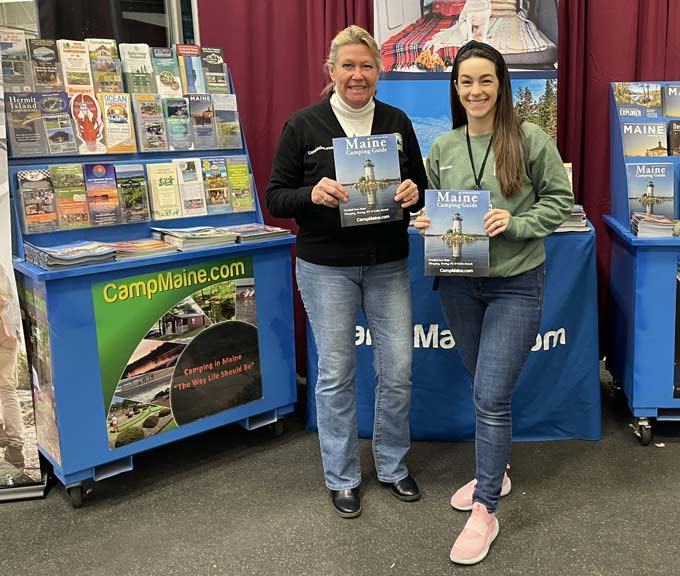
First, John talks with Kathy Dyer from the Maine Campground Owners Association about why Maine belongs higher on more RVers’ travel lists. Yes, there’s Old Orchard Beach and Acadia National Park. But there’s also Baxter State Park, Moosehead Lake, Sebago Lake, winter camping, and more than 350 private campgrounds to explore.
RV Lifestyle Aging and Health
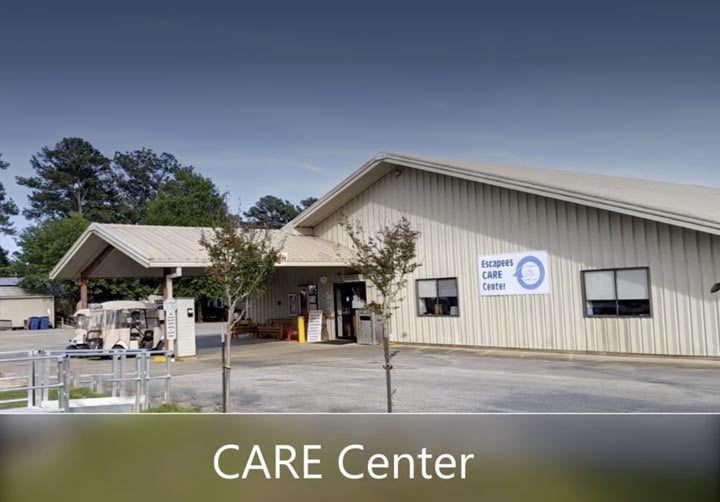
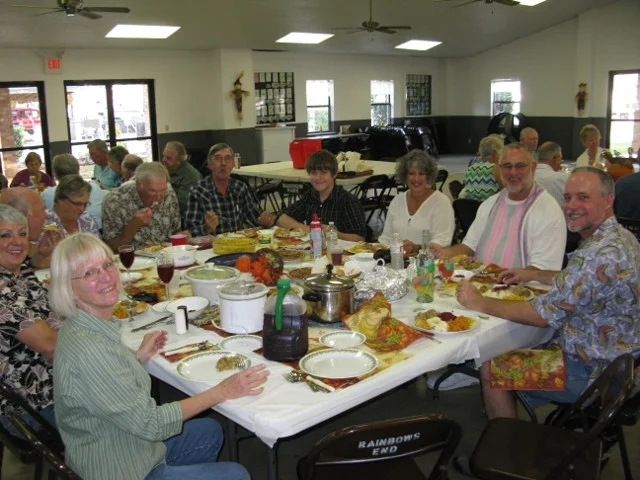
Then Dave Condit and Crystal Saulters from Escapees CARE share how their Livingston, Texas community helps retired RVers stay in their own rigs while getting support with meals, transportation, laundry, housekeeping, activities, and recovery needs. It’s a reminder that life on the road can change fast, and having options matters.
Getting Mail on the Road with an RV Entrepreneur
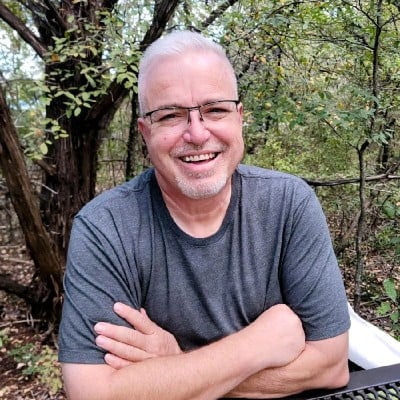
Next, Rose and Glynn talk with Vern Six, founder of Circle 6 Mail Drop, about one of the least exciting but most important parts of full-time RV life: getting your mail. Vern explains how his own years on the road led him to create a mail forwarding and management service for RVers, remote workers, and mobile business owners.
RV News about RVing Education
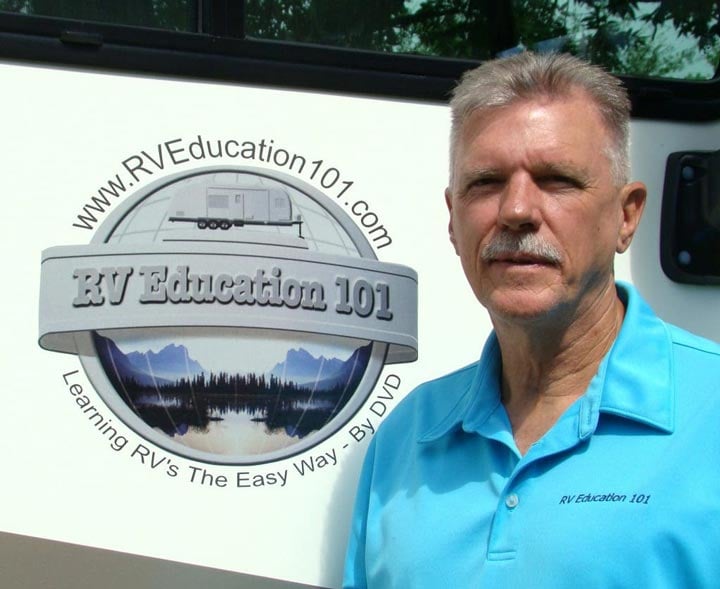
Finally, Bob catches up with Mark Polk of RV Education 101, a trusted RV training resource since 1999. Mark shares how RV education has changed from VHS tapes to online courses, and why accurate, human-vetted technical information still matters when the internet is full of quick tips and AI-generated advice.
Maine Travel, CARE Support, Mail Freedom & Trusted RV Training
Top Reasons to Listen Now
- RV Travel: Learn how Maine’s coast, lakes, mountains, forests, and winter camping options make it a four-season RV destination.
- RV Lifestyle: Discover how Escapees CARE helps retired RVers stay supported while living in their own RVs.
- The RV Entrepreneur: Hear how Vern Six built Circle 6 Mail Drop to solve real mail problems for full-time RVers.
- RV News: Understand why RV Education 101 continues to be a trusted source for RV owner training and safety.
RESOURCES MENTIONED

Listen to the RV LIFE Podcast Episode #160
Listen and subscribe to The RV LIFE Podcast on Spotify or in your favorite podcast app. Or, read the full episode transcript below. Leave a comment, or contact us with any questions or feedback.
Connect & Learn More
- https://podcast.rvlife.com/about
- https://facebook.com/rvlifepodcast/
- https://instagram.com/rvlifepodcast/
- https://www.facebook.com/groups/rvlifemovement
Got a great story or tips to share with listeners? Leave us a voice message!
(NOTE: Audio submitted may be published on the podcast unless specifically requested otherwise.)
Maine Travel, CARE Support, Mail Freedom & Trusted RV Training – RV LIFE 160
FULL TRANSCRIPT
VERN: My wife and I were on the road for 5 and a half years. Getting mail was really a troublesome experience.
KATHY: It really is a must-see destination and it’s quite diverse.
MARK: You’re an influencer, so they believe that the content you’re putting out is correct.
DAVE: Of course, doing rehab in one’s RV is not always that easy, but the care center has got plenty of room.
RENE: You know, there are some RV subjects that sound so simple until you actually live this lifestyle for a while.
JIM: Oh, yeah. Like getting your mail, right?
RENE: Exactly. Or figuring out what happens if you get hurt on the road and can’t just pack up and drive away.
JIM: Or choosing where to camp when a state like Maine gives you coastline, mountains, lakes, forests, lobster, snowmmoiling, and more campgrounds than you can possibly fit into one trip. Welcome back to the RV Life Podcast. I’m Jim.
RENE: And I’m Renee. Today we have a little bit of everything that makes the RV life what it is all about. Travel inspiration, real world support for aging and recovery on the road, business solutions for full-timers, and trusted education for RV owners.
JIM: John starts us off in Maine with Kathy Dyer from the Maine Campground Owners Association. They’re talking about four season camping and why Maine is so much more than just a summer coastline destination.
RENE: And then we’ll talk with Dave and Crystal from Escapees Care in Livingston, Texas. This is such a special place in the RV community. It helps retired RVers age in place, recover from surgery, or transition to a more stationary life while living there in their own RV.
JIM: Rose and Glenn then talk with RV entrepreneur Vern 6 about something every full-time RVER has to figure out eventually, getting your mail. Vern turned his own frustration with mail forwarding services into a business built for RVers and remote workers.
RENE: And Bob wraps things up with Mark and Don Pulk from RV Education 101. This couple is been helping RV owners understand their rigs for nearly 27 years.
JIM: Once again, lots to cover here. Let’s begin with a destination on most RVers bucket list. The great state of Maine.
RENE: I loved Maine. It has so much to offer. It’s one of those places you can turn into whatever kind of RV trip you want it to be, right?
JIM: You can go coastal and touristy like we did in Bar Harbor. That’s a must-see stop. But we also got in some real remote camping and plenty of fishing. You got rivers, lakefront camping, mountains, family campgrounds or premier RV resorts for comfortable winter camping, not to mention leaf keeping come.
RENE: All right. All right. Kathy Dyer makes it clear that Maine isn’t just one destination. It’s a wide variety of regions, each with its own personality.
JIM: Okay. Here’s John with Kathy from Maine Campground Owners Association.
JOHN: Hey everybody, welcome once again to another segment of the RV Life podcast where we take you to interesting places throughout the United States to enjoy your camping vacations. And today we are venturing up to the great state of Maine and our guest is the executive director of the Maine Campground Owners Association, Kathy Dyer. Kathy, welcome to the RV Life podcast.
KATHY: Thanks, John, for having me.
JOHN: Well, you know, we see each other at shows throughout the season and I think a lot of people have a tendency to look at New England and Maine as one area, but the great state of Maine is one big state and I understand you can take all the other New England states and fit them in the great state of Maine, which means there’s lots of camping opportunities.
KATHY: There are. Yeah, it’s and it’s quite diverse. Yeah, you said it. There’s over 350 private campgrounds here in the state of Maine. And like I just talked to you earlier, what’s nice about it, I think, is our campgrounds, five or more sites, do need a license through the state. So, it is a heavily regulated, if you will, industry which I would think would be very enticing for visitors to know that because it, obviously everybody has to run their parks the same basically. They have their different amenities and they different things that they offer and all of that, how they treat their customers, but the baseline for which campgrounds are regulated is equal all throughout. So, and very safe very healthy.
JOHN: There’s equal on that part, but my guess is that based upon the number of campgrounds that you have and the diversity of campgrounds that you have is that you can really find something for everyone regardless of whether they are very commercially oriented that want to partake in a lots of activities on the campground or the most rustic campgrounds in America might be found in great state of Maine. Am I right?
KATHY: Oh yeah, absolutely. So we go all if you just ran route one all the way up from Massachusetts if you will straight up all the way through Austa County which is the top part of the state about Canada.
JOHN: Potato Town, right?
KATHY: Right. You go right through Blueberryville and to the potato town, but we also have rustic down here in the western part of the states. You know, our western lakes and mountains, over where Casco is, Sebago Lake, even though that is a very highly populated and tourist area in amongst it, it’s so wooded. There’s a lot of rivers and streams and small ponds and things like that. There’s rustic basically everywhere in the state of Maine. You can find it if you’re looking for it. But there’s also you can find even as high up as when you get up to Kataden and you get up to a rustic county, everybody thinks of those as being completely rustic and they’re not. We have some mega parks up there. We have a brand new park in the Greenville area that has over 200 sites and it is an RV resort. So we have diverse camping all over the state. You can be as close to Massachusetts, New Hampshire as you want and have a mega park that old Georgia Beach or whatever takes you an hour to get to or you can travel 8 hours and go to the, you know.
JOHN: Well, as we deal with an national audience on this particular show, I think people may have a tendency to put New England as just a tiny region because when you look at the big map, New England is really small compared to going down to Texas or out to the Midwest. But with the diversity in Maine, you could really spend your entire vacation there, whether it’s one week or two weeks, and either stay in one place if you want to pick a central location and then travel or if you want to start down in the old Orchard Beach area where you’ve got, I mean, several large parks to pick from or go way up, you know, like the Lubebeck, the Eastern.
KATHY: And we do we have I have a lot of folks and I say it’s a lot throughout the summer call the office and we’ll ask they’re doing a travel and they are going for 5, seven, 10 days in their RV and they want to do the state so they kind of know where they are starting from. Obviously, and like I said, you can go right up 95, you can go up Route One if you want to hit the traffic, or you can start on the other side through the Western Lakes and Mountains and go up that way and come around. But we help travelers, I mean, every day of the week, pinpoint different campgrounds that they want to stay at for a night or two nights. Yes, there are some that have a three night minimum in the heat of, from July and August, but there are some that don’t. And so, typically what I do, and Laura, my my right hand gal in the office when they call for references and they’re trying to draw out their vacation, if you will, we will give them in each area that they want to go to three or four choices of them to call just based off of the questions that we ask them and what they’re looking for. We certainly don’t play favoritism, but we’re always asking them what they’re looking for and then we try to place them. And so we give them three or four different numbers to call because obviously a lot of these campgrounds are full. They’re full now. So yeah, we we have a lot of people that will that are going for the week and staying at different parks. They’ll stay at five or six different parks throughout that week and their end destination will be their number one place that they really want to visit whether it’s Bar Harbor or over to Kataden area, Mount Katad Baxter State Park or what have you or they come back down and they end up in Old Orchard Beach over in or if they end up over in Western Lakes and Mountains, Seagel Lake or what have you.
KATHY: It really is a must-see destination. I go to a lot of shows and if not so much Boston, but you do get it once in a while, but primarily down in Connecticut, a little bit further away, you get a lot of people that say, “Oh my, Maine, it’s on my bucket list.” But it’s so far away. But it’s not if you think about it because you can go to the Western Lakes and Mountains area. You can go to Rangely, you can go to Casco Bay, and if you’re from Boston or you’re from Connecticut or what have you, you’re talking maybe Connecticut’s 3 hours. Boston’s only two hours.
JOHN: Yeah. Or hour and a half depend. It’s really not, but they just if they haven’t been, they put us in the same caliber as like Alaska. It’s like I want to go to Maine, but I just don’t know how to get there.
JOHN: You know, New England is such a unique area in that the geography is such that there are several states and you can go from Rhode Island through Massachusetts and up into Maine all within two hours, you know. So, it’s not a thing. And many people that we know combine their main adventure with a stop in Vermont or stop in New Hampshire or stop in Massachusetts, etc.
KATHY: Well, they may do that on their way home, too, depending on which like if they start in Maine and they come up and they go around. They’ll come back around and hit Vermont and then back down to New Hampshire. It’s I mean, why not?
JOHN: Yeah.
KATHY: I mean, other than the fact that, you know, Maine has everything. I mean, we’ve got the oceans, we’ve got the lakes, we’ve got the ponds, the rivers, the streams, the mountains, the forests. In winter time, we have ski snowmmoiling. I mean, it’s and typically we have the snow that is needed to back all of that as well. And we do now have, believe it or not, winter camping at some of these places. They will stay open all year round because they want the ice. The campground is on a lake and they’ll just keep a portion of the park open for the ice fisherman and the snowmoers and so forth.
JOHN: Kathy, how about an online site? campmain.com is what I looked at and it seems to really be an encyclopedia of everything you need to camp not only in Maine but you know surrounding states.
KATHY: Correct.
JOHN: Any other resources that we have?
KATHY: Well, the campmain.com website is our website. It is home for our member campgrounds. Like I stated before, there’s over 350 campgrounds in the state of Maine, but if they’re not a member of the association, they’re not on that campmine.com. The other resource is the camping guide, which we produce annually. It’s a 80 page full size magazine that lists all of our member campgrounds. It has maps. It has state information in it. It’s a huge resource for anybody that is going to plan a vacation. So, between the online and the printed resource.
JOHN: One of the things that I noticed in that brochure, no, excuse me, in at Camp Maine on the website is that there’s those eight big regions of Maine, all of which are diverse and you really want to spend some time to take advantage of it. I mean, the coastline, it’s over 3,000 miles of coastline.
JOHN: Whether it’s in the lakes in the interior or along that great Atlantic Ocean. I know that ride, just that ride itself from Portsmouth up to Bar Harbor along US1 is an amazing ride and there’s campgrounds all along the way that you can stop at. You know, Booth Bay Harbor and that type thing. There’s so much to do in Maine.
KATHY: Like I said, we’re home to Baxter State Park up in the Kataden region. We’re home to Acadia National Park in our down east.
JOHN: One of the top 10 parks in the entire United States.
KATHY: That’s right. Right over the Sebago Lake is one of the largest lakes up here. Moose Head Lake, which again that’s a little bit more Greenville and so forth. Freeport, LL Bean, Capella. I mean there’s everything imaginable. Shopping outdoors, outdoor recreation, eating home of the main lobster. We can’t forget the lobster.
JOHN: Can’t forget that. But we want to let our audience know that all this information is available online at campmain.com or just Google camping in Maine and you’re going to find some very interesting things.
KATHY: Well, call the office. We’re a huge resource and we’d love to take your phone call.
JOHN: What is that number?
KATHY: The office number is 782-5874. Right. You can call and order the main camping guide. We’ll send you one free. You can order it online at campmain.com. You can call and ask us any questions you want about any of our member parks. We’ll be happy to give you as much information as they give us. We do recommend that anybody interested in traveling and visiting a campgrounds here, call ahead for reservations. The state typically is pet friendly. There are a few here and there that are a little more cautious. So, it’s always good to call ahead in advance for anything that you need and to make that reservation. I’d hate to have somebody come up and spend a couple hours driving and then everything is full.
JOHN: Kathy Dyer, we want to thank you so much and Welcome.
JOHN: You know that this is the RV Life podcast. Thank you for joining us and be sure to call our friends in Maine for a great vacation.
JIM: A well that brings back some memories. I love how Kathy talked about Maine as a place where you can call the campground association and they’ll actually help match you with the kind of camping experience you want.
RENE: That’s really helpful because Maine can feel so big or far away and overwhelming when looking at a map, but she made it all sound so doable.
RENE: I really appreciate how she talked about more than just Acadia and Moose Head Lake. Mine has everything from Old Orchard Beach to Baxter State Park, Sbago Lake, and can you imagine winter camping up there?
JIM: Imagine. Sure. But it’s a reminder that the RV life is not onesizefits-all. And that’s so true. When your own life changes out on the road.
RENE: Exactly. And that’s why I’m so excited about our next conversation. This one is about a place unlike anywhere else in the RV world, the Escapees Care Facility in Livingston. It helps retired and senior RVers stay in their own RV while receiving support with meals, transportation, housekeeping, laundry, and most importantly, community.
JIM: Oh, for sure. We’ve been skips for years, and we had the honor of meeting the founders, Kay and Joe, when we toured Rainbow’s End. So, it’s another honor to share our conversation with Dave and Crystal from Escapees Care.
RENE: Dave, it’s so nice to have you here. Thank you for being on the podcast. And you, too, Crystal. We love having both of you here.
DAVE: Well, it’s our privilege to be here with you today and we’re excited about being able to share a few things about care and what we do here and what this program offers.
RENE: Well, we are excited too. We are huge fans and we want to hear a little bit more, Dave, about how you came to care because I understand you and your wife were full-timers. How did that experience lead you to going over to care and eventually becoming director?
DAVE: Okay. I’ve always been living a very exciting life. I worked for NASA for about 30 years at Johnson Space Center in Houston. My job was to keep astronauts going and the flight control team alive and well in the control room. And in 2010 I retired from NASA. We bought a fifth wheel and immediately set on the road and our first trip was to Alaska because you know as a first full-timer the best trip you can make is one that’s 5,000 miles around. So that’s what we did. We headed off to Alaska and then we spent the next seven years traveling all over the US, Canada, and then in 2000 we kept reading in the Escapes magazine about this place called Care. And one of the things that they did there was they took care of people who were retiring from their RVs. And we thought, well, that sounds like an interesting program. We’ll go there and volunteer for a month and see what we think about care. And so we came here. Crystal is the one who was the volunteer coordinator at the time and she sweet talked my wife and I into coming here to volunteer. So in 2015, we spent a month initially volunteering here at care to be with the residents. I think at the time we had about 40 residents and about maybe 13 or 14 adult daycare members that were here. Our job consisted of driving people to their doctor’s appointments, hospitals, that kind of thing. We also took care of checking residents in at night and in the mornings of making sure they were okay through the night. We had a phone that we had and so we monitored them. If they had problems, we could respond real quick and either get EMT or just help whatever we could do with them. We love that so much that we decided to stay another month. Then we stayed another month. We ended up spending six months here as volunteers.
JIM: Nice.
DAVE: I think at the time was probably maybe a record.
JIM: Yes.
DAVE: Would say, but we love the people here so much. We love the program for what it is. It takes care of people to the point that it gives them a place to live. That period between living full-time in an RV that happen to go to a place where you have to be taken care of. This is a fully independent living facility. It’s one that we don’t do medical work on the residents that are here. Our job is to feed them, provide them a place to live, keep their landscape up and do their laundry every week and do housekeeping every other week. And activities, parties, we even go to the casino.
RENE: That’s great. You know, we love Care. We had the opportunity to tour it long ago and volunteered for a Thanksgiving dinner and we love the facility. It’s a wonderful concept and CARE actually stands for continuing assistance for retired escapees. All escapees, you know, usually are RVers or have been at some point. I love how you kind of called it a transitioning period, not a home per se or assisted living, but if they can get from their RV directly across from the main facility there, they can come and have their meals there and all that. It makes it a special place. But why do you think it’s really important that residents remain in their RV during this transition period instead of get going and getting comfortable in a house somewhere?
DAVE: Yeah, I think there’s a couple of reasons for that. One, that RV for many of them has been their home for the last 5, 10, 15 years. Some of them like Fred and Joe probably have lived in it for 30 years. That’s they know where everything is at. When it gets cold, they know what needs to be taken care of. When it gets hot, they know how to keep the place cool. So, it’s their home. They have pride in it and they take care of it and that’s their responsibility and we allow them to do that. We don’t interject ourselves into taking care of their rig because that’s their home. And I think they like that, that sense of pride, sense of ownership, which allows them to be happy where they’re at. Whereas, if you move into a place where you’re being taken care of, you don’t necessarily care if you keep the place clean or the walls are painted or the carpet’s clean. But this is their house, their home, and they keep it clean.
RENE: That’s a great point.
CRYSTAL: They’re home and you make them feel at home.
DAVE: I think we do.
CRYSTAL: So, for me, I have a friend, her name is Vicki, and she’s actually my age and she had to have a hip replacement. Well, she did not know about care and whenever she came here and learned about all of what we did, she said, “Oh my gosh, I really wish I’d have known about this whenever I got my hip replacement. It cost her a ton of money just to get people to bring her food, you know, like Uber Eats or whatever. And she just really struggled with that time of, you know, you go into you have the hip surgery and then you stay a couple days in the hospital and then they send you off to rehab, but then they send you home to continue rehab. It’s of course doing rehab in one’s RV is not always that easy, but the care center has got plenty of room and nursing homes are very expensive.
JIM: So yeah, we really appreciated that there was a different model of what that level of assistance could look like. We were just in ours when we toured care and retirement for us it’s still several years away but we just thought wow you know this it’s a really nice option to have and even RVers who think they’ll never need care services or to stay there to recover anything. I mean, they really have that peace of mind when they’re an escapee and they know that it’s out there for them. Jim had a hospitalization last fall and you know, if that had led to something more serious, care would have been a nice option to have if we weren’t able to travel after that.
RENE: So, as far as the broader community of escapes and the other RVers who aren’t yet escapes. Why do you think it’s so important for this organization to exist?
DAVE: Well, we have two purposes here with what we do. We have our resident program which is for the retired escapees who live in their homes here. And then the other part is the adult daycare respit center that we have which is actually open to the community. Right now we currently have seven individuals who come in that either their children drop their parents off or there’s some family relationship that a caregiver brings the person that they’re caring for here and gives them an 8 hour chance of the day to get things done at their house without having to be burdened with taking care of the ones that are taking care of. The two programs that one probably is the biggest one, it’s the one that contributes best to our 501c3 status because it does open up to the community. The other part is the resident program for the basically escapees who have come here to finish retiring to live out that time until they have to go to a place that actually provides more support and for them during that time. They still have a time to fellowship with other people. They still get a chance to go out shopping with other people in the bus. They go to community dinners. They go to community concerts. Like Crystal said, we go to the casino every now and then. And lots of restaurants. We’re always taking them out to eat because even though we have a great cafeteria here and a great staff of cooks, there’s also a real nice need to get out and have a t-bone steak somewhere. We don’t provide t-bone steaks here, but they do like to get out and eat in the local areas around.
DAVE: Yeah. And I think one of the greatest stories at Care is a couple that were involved here with care. Their names were Andy and Vera. They had a big class A and I think it was maybe 10 12 years ago they were headed out. They left from this area headed west. I think they were headed out for Arizona or somewhere. Got around San Antonio and somebody cut them off. And you know when you cut a class A off it’s never going to be a pretty sight. I think the thing rolled three or four times, flipped and both of them were pretty well bunched up. The director here at care once he heard that they were in the hospital, got a couple of vehicles and they headed over to San Antonio where they were at.
RENE: Wow.
DAVE: Went to the bus and cleaned out the bus, got their stuff cleaned out for them. And these weren’t even residents here. They were just friends.
RENE: Actually, they were volunteers. They had left here for volunteering.
DAVE: They were volunteers. And the director had sent people over, our people, to clean up, get their stuff, and then they helped get them back here to care.
RENE: Did they put them in the cottage?
DAVE: In the cottage. We have a cottage. It’s a two-bedroom house. And they got them back, brought them back over here, got them in the cottage. I think they were in there for 6 months and they recouped in there. And you think about what that would have cost an individual and a couple that had both depended upon each other, but neither one of them were dependable, and so they had the staff who was here to cook three meals a day for them, take them to their doctor’s appointments, the whole thing. And you just think, where else could I have ever gotten that kind of treatment and still be respected? Later, they then became residents here for a while. And then a couple of years ago, they bought a house here close. She actually volunteered to come on board as a board member, and she is one of our board members now.
RENE: Wow.
DAVE: I mean, I just look at that couple and what that meant to them and what it meant for the reputation of care.
JIM: Nobody else is going to do that.
RENE: No, no. I mean, being a full-timer and carrying everything you own in your RV, you know, it’s a great adventure. Highly recommend it, but sometimes things like that happen and it’s really scary. It says so much about the spirit there. I love that.
JIM: And I’m sure it’s just one example. I’m sure there’s plenty of stories there, but you mentioned care is a 501c3 and there is the escapees membership and I’m not sure how much of the dues go there. I understand you also just had a fundraiser that went off fairly well but can we talk you have so many resources meals transportation day-to-day support. You just mentioned a cottage all of this takes money. Can we talk a bit about the role funding plays in keeping these services available? Where does it come from and where’s it needed?
DAVE: Okay, there’s a couple of funding areas that we get money from. One is escapades. We do usually get anywhere in the neighborhood of 10 to $15,000 or donations that come in from escapades. The bash that just occurred was about almost $11,000 that came in. That’s the two outside this area fundraisers that happened. We also every year in April, March or April, we have a health fair. We have about 40 or 50 vendors come in from the outside. They set up booths and tables. They do some different testing and screening with people as they go through. And it’s a week-long event. We have a soup tasting contest.
CRYSTAL: We have one of the best things we have is a dessert auction where we probably have 100 to 125 desserts that come in from around the rainbows in community here. Bring in cake. We have a lot of sweet ladies in this area that love to bake cakes or pies or whatever. And the vendors will sometimes go to a regular bakery and get stuff made and bring to us. And we have the auction. The auction goes off and it’ll raise anywhere from 5 to $8,000. We have other events that occur that bring in amounts of money. We have a thrifting gift store here. It’s a resale shop that started off as a little tiny closet with two or three little items in it years ago. And we ended up buying a building and then another building and another building and now we’ve got four buildings. One’s a huge building. Praise the Lord. Last year that little shop brought in $55,000.
JIM: That’s wonderful. My gosh.
DAVE: All volunteers who work in it.
CRYSTAL: When I first started working here, I remember because you know with the smart way here one needs to lighten their load they can always care so all these things really just work hand in hand but we used to have these yard cells and the front of the building and then the multi-purpose room which is a big open space we would fill those areas up with all of this stuff.
JIM: Is yeah.
CRYSTAL: It would be so much work. I mean trailer loads of stuff coming from the metal container that we have that we store stuff in. And so now having the thrifting gift, we don’t have to do that. We would have those sales twice a year, one in the spring and one in the fall. But now we have it going on well every Thursday, Friday, and Saturday.
RENE: Wow, that’s so nice. What is the cost to members? We’ve been to Livingston. We understand there’s site rent, but if you want to transition into the care facility, is there an additional cost?
DAVE: Okay, for care itself is $1325 a month for a single individual and it’s about $1,900 for a couple. That includes three meals a day.
JIM: Wow.
DAVE: Driving anywhere you need to go. The care that we have 24 hours a day to watch over you, the facilities that we have here, all that is all in that package.
RENE: Okay. Can we just be clear that is a bargain for that level of support. And when we toured over 10 years ago, it was not much less than that.
DAVE: Yeah. It hasn’t gone up very little. You guys have really kept the price on that down. That’s so impressive.
RENE: So, Dave and Crystal, either one of you can answer this, but what would you say to the RVER right now who’s maybe one of the younger ones who’s healthy, not even thinking about someday I may need assistance? What would you say to them?
CRYSTAL: So, last year during one month’s period time, I fell three times. We are all one step away from a fall. You never know what’s going to happen. And what are you going to do? You take a fall, you go into the hospital, you got to go back to your RV. How are you going to go up your steps? What are you going to do? Care can answer a lot of those questions.
JIM: Yes, absolutely. Dave, how about you? You got any advice for the younger folks out there?
DAVE: Keep this place in mind for anything. Like Crystal said, accidents can happen in a blink of an eye. Right now, we have a couple Well, Matt is here. He’s a resident, temporary resident. He had surgery on his hands.
CRYSTAL: His hands.
DAVE: Something kind of a rare situation.
CRYSTAL: Yeah, it was on his hands.
DAVE: I mean, you could stay out in your rig and try to get from one place to another and try to fix your meals with a splinted up wrist or whatever, but why when you can come here and just for a few dollars more a month be taken care of.
RENE: Yeah. And let’s say you’re on the other side of the country somewhere because you know what are the chances of you being near Texas in your time of need?
DAVE: But we can help out with that, too. I mean, we’ve sent people to different states to drive one’s RV back or get them back somehow or if they can find someone to get their RV here and they fly here. We’ll pick them up from the airport.
JIM: Wow, that is community spirit. It’s really wonderful to hear and you never know what’s going to happen. I can attest to the fact that things can blindside you in life, but if someone listening out here wants to support the wonderful efforts you’re doing and kind of give back to the RV community in a way that actually does make a difference. How can people learn more and support the work that Escapees Care is doing?
DAVE: Okay. So, Escapees Care has a budget yearly of about almost $2 million. Out of that, 75% of that money that we have in our operating budget comes from the residents in their monthly rent. They can jump on there and they can make a direct donation to us.
JIM: That’s wonderful.
CRYSTAL: Or you could head to Livingston and swing by the thrift shop and do some shopping.
JIM: I know Renee wants to do that.
CRYSTAL: Or you could come and volunteer. We rely on volunteers every month, so done. It’s fun. You meet great people and you support a good cause.
JIM: Yeah. We can’t say enough good things about it.
DAVE: Volunteers are probably the most important part of our this whole organization because without them, it wouldn’t be $1325 a month for them to live here. Getting into a living facility that’s assisted is anywhere from $5 to $10,000 a month. I mean, considering the fact we’re not assisted, but we’re semiaisted, 1300 is pretty cheap.
RENE: It is extremely cheap, and we hope listeners can help out. So, check out the links in the show notes. Dave, Crystal, thank you so much for joining us today.
DAVE: Absolutely. Thank you.
CRYSTAL: We appreciate you all. Keep up the great work.
JIM: All righty. Thank you. Every time we talk about care, I remember so many escapes getting together, helping out at Thanksgiving, and I’m reminded how rare and important that place is.
RENE: Oh, me too. It’s not something younger or healthier RVers always think about, but things can change fast. A fall, a surgery, an illness, or an accident can suddenly make this lifestyle much harder.
JIM: You just like the thrift store. But what Dave and Crystal describe is really community in action. Not just a service, but people looking out for one another.
RENE: That story about care helping the couple after their RV accident. Well, that really says it all. That’s the community at its best.
JIM: Yeah. And speaking of realtime logistics, Rose and Glenn’s next guest solves another issue all full-time RVers run into pretty quickly.
RENE: Mail. It sounds so boring until you’re trying to get an important document forwarded to a campground where you’re only staying for a few days to the podcast. Came up with a solution. Here’s his discussion with Rose.
ROSE: Happy to be here with you and Glenn. Yeah, we’re excited for you to kind of share with us how to handle mail while full-time RVing as well as the business you created because of all that you were full-time for 5 years. So, it’s one of those topics that doesn’t always get talked about when people think about RV life, but it is such a big part of making this full-time lifestyle really, really work.
VERN: Yeah, for sure. I’ve been a remote developer, software developer for 37 years, and when we lived in our RV for about five and a half years. One of the things that I loved about being remote obviously is just go wherever I want. I can be working in Arizona today and I can be working in Nevada tomorrow. And I love that about the RV life. And one of the biggest hassles that we had was just getting our mail. And we really relied on it a lot. And that was kind of the genesis for me developing the software that is our portal that allows us to do that. I mean, one of the biggest things was we were at a mailbox rental company and getting them to forward our mail. They were not interested in doing some of the things that I thought were just necessary customer service stuff. And they wouldn’t open up the packages and combine them so I would pay less in shipping. They wouldn’t ship it to me at a campground. They wouldn’t send it to me if I was on the road, plan it and schedule it so it arrive when I was the two days I was going to be in Arizona as an example. And just lots of hurdles like that. And so that’s why we developed our software that really manages that. And that’s how we started this business.
ROSE: Yeah. Glenn and I were really fortunate because when we were on the road full-time, we could have our mail sent to his parents’ home while we were traveling. But we know that’s not the reality of a lot of people. So, we’re really excited to dig into what you’ve built, you know, how you’re helping people solve that problem.
VERN: Sure. I can tell you a little bit about about our software and how our process works and then we can kind of dig down from there if you like.
GLYNN: Yeah.
GLYNN: Well let’s start with that because I imagine that you built this from the ground up and you have that expertise. So, enlighten us.
VERN: Yeah. The way that basically we give you a Texas address in Falls County, Texas, and you get a what’s called a PMB, a private mailbox. And so it’s here at our address and then you log in once we get you set up in the system after you become a customer. You log in and whenever your mail arrives, we take a scan of the outside of the contents, whether that be an envelope, a box, big shipping tube, whatever. We scan that and it shows up in your portal that I develop. And in the portal, you get to decide what to do with it. You have four choices. And they’re not all mutually exclusive, but your four choices are we could forward it to you. You tell us where you want it to go, and it just goes and it’s piece by piece on that mail, right? You can say, “Forward it to me in Idaho at this campground or at my mother’s house. The other choice is if you need something that’s right away, if it’s an envelope, we can open that envelope and put it in our high-speed scanners and usually within 24 hours that’s in your portal, the contents, both sides of whatever is in there. We don’t charge any extra for that. And so it’s just you can see your mail right now. For instance, if you got a lab result you wanted and you got it in the mail and you wanted to have it at your computer, we just pop it in a scanner and it shows up in your portal the next day. Sometimes faster than that if it’s urgent, we’ll do it right away. Other choices you have. So that’s content scanning. The other choices you have that was forwarding and content scanning and then we can also do we can throw it away or we can shred it and we’ll shred up to 20 pounds for each customer. After 20 pounds we have to charge.
GLYNN: Sure.
VERN: But the you know, that’s pretty much how it works. You can then get into the portal. You’ll see the date that it shipped, the date that it left here, and you get the tracking number. You can track it through the entire process. And we typically ship with the US Post Office, UPS, FedEx, and DHL. Whichever makes the most sense to you in your portal. You get to make those choices and you know it’s just a pretty painless process. But the key to that is that I guess there’s a fifth choice. You can look at it and say I don’t want that piece of mail and I don’t want junk mail and you can tell us just throw everything that’s junk mail away and we’ll do our best guess to make sure what that is. Presorted first class catalogues you know that sort of thing. But you know you can get all that control is in your portal and you log in and you see your mail in real time basically and you get to know that okay these four pieces of mail they’re going to my mom’s address and these five pieces I selected to meet me in Chandler Arizona and you can do all of that and the nice thing about that is you can schedule that in other words you say I’m going to be there next Tuesday it takes 4 days to deliver ship this on X and that’s what we’ll do.
VERN: And when you get a piece of mail you can also sign up for text alerts or emails. Text alerts are they’re like $4 a month, I think. But we try not to nickel and dime anybody. Email alerts, they’re free. They don’t cost anything. And we would have a alert you when your mail gets here. As soon as a piece of mail appears in your portal, you get an email.
ROSE: Can we rewind for one second because you mentioned Texas. Why Texas?
VERN: Yeah, sure. Texas is very friendly to folks establishing a doicile here. And the one of the things that’s nice about Texas. Obviously, we don’t have state income tax. And how you set that up is I’m not in the I can’t give you any legal advice or tax advice, but I can tell you that getting a Texas driver license and a Texas address. We have several people who use that for their tax returns, IRS tax returns. Their employers where it’s in the W2s here. They’re on the road. Who doesn’t know if they’re in Texas or if they are, so it’s kind of a gray area. I mean, if you’re in New York, New York says that, for instance, as an example, you need to pay New York taxes. And but in if you’re in Texas and you claim Texas as your doiciled address, then who’s to prove you’re not in Texas at the time. And I’m not suggesting anybody do anything. I mean, that’s a tax question, right? But I can tell you that 90% of our customers do that.
GLYNN: I completely understand. There is a gray area there, isn’t there?
VERN: Yeah, for sure is. Yeah, there is. But, we have other services that we do. Folks want to get their vehicles and their RVs registered here. We are in one of the lowest cost centers. We’re in Falls County, which is very, very low in terms of insurance dollars. I mean, when we moved to Falls County, we bought the ranch, we moved to Falls County, our insurance dropped $180 over a six-month period. Just because we’re no longer in the big metro of Fort Worth. And so, yes, so it’s just some of the benefits of that also. And Other things we do is our business is not strictly for people on the road, right? We have lots of businesses that use us who just want the privacy of having an address that is not their home address. So we got some businesses that are like literally just down the street and they use our address because they don’t want visitors to their home business. When you sign up for us, it’s included. It’s two individuals and one business are included in the service that you can use. So if you’ve got a home business or an on the road business and that’s fine with us. We don’t charge any extra for that. We can’t accept service. I mean if you get sued by somebody or they want to take you to court. Those things happen, right? We can’t accept those legal documents. If a process server shows up to give us the paper that you need to show up in court. We’re not your registered agent. But we can receive all your business mail. We can forward it to you. And one of the things that’s really unique, we have a lot of businesses that have an RMA system, return material authorization system, where they have a lot of returns come from their customers. We will combine those into a smaller shipment. If the RMA numbers on the outside of the box, for one customer I know that’s in the 3D printing business, he has some stuff that gets returned because it gets broken and it’s not the right color. He wants all those shipped here and then we can bind them in one box and then send them to him. That way he only pays shipping once. And then also on some of the items, he just asks us to verify that they’re actually being returned and then asks us to discard them. He doesn’t pay any postage at all. So there’s just lots of different ways to customize it, but especially for the folks that are actually on the road. We have some folks that are RVers. They’re in Benson, Arizona at the moment. They’re coming here to camp here and say hi. So, we’re excited about that. But he’s in the printed circuit board business. Everything he produces and designs from his RV gets fulfilled by a company in Seattle and all the return stuff comes here. And so then we ship it to him at whatever campground he’s at. And that’s the nice thing about the portal. You just change the address where you want every shipment to go. Each shipment can go to a different address. It doesn’t matter.
GLYNN: That’s incredible. I mean, first of all I want to back I’ve gone through your website and I have to say I like the boondocking, the full hookup. Your choices are fantastic. And another thing I’m gathering And I think that the audience needs to gather is that your company despite being it’s big, but it’s small in how it treats the customer.
VERN: That’s right. I mean, my wife and I were on the road for five and a half years, and then we were full-time missionaries in Guatemala. Getting mail was really a troublesome experience, especially when we were out of the country. And, we have a lot of customers that are currently in Canada and that sort of thing. We ship worldwide. It’s not a problem. But yeah, it’s, we have a lot of options that were designed around the troubles that we had, the hurdles that we really experienced and it it just made it easier for how we just kind of envisioned what we wanted. And then once we bought the ranch six years ago, we started this business, got it going. I developed all the software over the last four years. And now it’s the full-time gig, and it’s really, it’s taking off. People have just been really excited. One of the funniest things we have on our website is we have some little humor things on there. If you go click on the little thing that says veteranowned, you’re going to see some of my history of how they used to call me Sergeant Buckethead. So, we’re real personal. We are not some big corporation. We have a single location. We’ve deliberately chose where we are and we’ve deliberately provided the services that we have designed for folks who do the RV or nomad life.
ROSE: So, speaking of challenges and stuff, let’s go back to the business a little bit. What were some behind the scenes kind of challenges like legal, operational, overhead that people might not realize in this kind of business?
VERN: Well, in this kind of business, setting up this type of a business is a little bit more difficult than you might think. We had to get certified by the postal service. That would require the inspector general of the postal service to give us an approval. We had to be approved by our local postmaster and the postmaster that was above her at the sorting facility. And setting all that up was kind of a little bit longer process than I expected. Then we had some issues with setting up the different types of addresses. And so we had to go to the county and get our physical addresses changed from something that would be like a homebased business. We’re in a facility that’s much bigger than my home, but it’s still on my property at the ranch. So, we had to get additional addresses assigned to our ranch here.
VERN: So, now instead of just our home address, we now have an address strictly for the mail. And we have another address that’s strictly for the campground and we have another address that is simply for my consulting office. One of the things that I also did is I designed this software to be a little bit different in that we’re going to offer a software as a service to other companies that want to start up like this. I’m not interested in doing franchising because everybody wants to run their own business their way but we’re going to provide a tool to other companies who want to do this and kind of network with them.
VERN: And allow them to so somebody comes to our website probably by August 1st you’ll be able to select other locations other than the state of Texas. I personally think state of Texas is the best but maybe you want to have South Dakota or wherever. That’s our first lency is going to open up in South Dakota and use our software to run his business. Now it won’t be called the same thing but we’ll have a link there, it’ll run exactly the same portal, the software will be exactly the same and so we’re definitely excited about that as we grow. That’ll give us a couple other points of interest that we’ll get from that. We’ll have some data points as to how people other than us see the software.
VERN: And we have right now we have 13 or 14 what we call our inner circle of customers, our very first bunch of customers that kind of just hammer on the software whenever I’m doing a release or whenever they really kind of try to poke holes in it. Two of those are professional testers. So, yeah, we’re pretty excited. And like I say, I’ve been doing software development for 37 years. So, this is really nice. Some of the other things that we had to have some rather unique insurance to cover it. We carry $3 million worth of general liability insurance, but we have to have lots of writers on this particular type of business. I mean, if somebody were to get a paycheck and we were to lose it, they’re going to sue me. And so, we just have to be prepared for that.
VERN: And then of course all kinds of attorneys wanted to look at our project and tell us that this that and the other thing. So, but it’s been fun. It’s not a terribly hard business to run. It’s a very systemoriented. We have a very unique way of doing it. We get a pallet of mail. We have a very particular way that we process that out in the warehouse and then we take all the photos. We put them into the portal, it’s a secure facility. Our building where we actually do the mail storage is even more secure. It’s got its own private land, it’s got its own private security system, alarms, the whole nine yards. Because we want to make certain, we recognize the fact that we are in the mail business and a lot of personal private stuff comes and so there’s just a lot to those sorts of things.
VERN: All of our employees all go through the highest level that we can possibly get for employee screening, background checks, drug tests, that sort of thing. There are precisely three people who have access to the building. And that is my wife, myself, and one employee. So we’re the only three with keys. And so it’s a significantly respected problem that we want to avoid.
GLYNN: Beautiful if I’m not mistaken cyber security includes physical locations.
VERN: Absolutely sure does. Yeah, there’s a ton of that and all of our software runs on the cloud, on the digital ocean cloud. For our tech guys out there this is all Linux stack. But it can work from a phone, it can work from a Windows machine. It’s mobile friendly. We have toyed with the idea of doing an actual app and we just decided that the best for this product was to just do a mobile friendly web page that you can bring up with your web browser. Our login security is even more unique. We don’t use the typical two-factor authentication. We use something that you come, you log in, you type in your email address, and we send you a hot link that’s valid for 10 minutes. You have to click that link and that way we’re not relying on any other data provider to validate you. We’re not worried about you having to remember a password. Every single time you come to us and you log into the portal, you’re going to type in your email address. We’re going to send you an email. You click that, then you’re in. And we’ve passed all of the PCI compliance rules and sock 2 compliance and all of those things that we have to pass to do what we do. And quarterly we go through a security audit with the postal service. Our postmaster literally makes a trip out here. And they randomly make a trip out here, make sure we’re properly throwing mail the way that people wanted us to, properly shredding it. We have a provider for the shredding that comes and it’s a locked container. Once we drop it in the box, we can’t even get it out. It’s a neat deal and we have several high-speed scanners and it’s very, very secure and even the scanners themselves takes a photo of your mail on front and back of every page in the envelope if you tell us to open it up and scan it. That’s very important stuff. So we take that very seriously. So the cyber security is it’ll pass any threeletter agency’s guidelines. I promise.
ROSE: This sounds like a awesome solution for full-time on the road. But for those listeners that are new and they’re just getting into this, what are some challenges or problems that you feel like they haven’t thought about or they need to be thinking about mail related?
VERN: Well, there’s a lot of those. Mail related, it’s mostly, how are you going to get your bank statements, how are you going to get your insurance, where are you going to insure your vehicle? How are you going to stay on? It’s not as easy as we might think. When we were on the road, as an example, we had to be at a physical address. When the insurance company learned that we had an RV and that we were living in it, they wanted us to absolutely be at the quote garageed address. They sent us a certified letter to that address. We couldn’t do anything about it. And the reason for that was we had a claim and they denied the claim for some water damage. Bottom line is the insurance company wants to avoid any claim it can. And when they found and when I talking to the adjuster, they kind of figured out that we were living in our RV and they were not friendly about that. And in fact, they canceled our policy because we couldn’t get the mail. We signed up for a company who would not accept certified mail. We accept certified mail every single day for our clients. Our type of address is a legal Texas address. It’s a street address. You get a box number just like if you were to go to one of the mailbox rental places. But the difference is here in our county, we have a service that will take your registration paperwork to the county office for you to register your vehicles. You never even have to come to this county. That’s some of the things I think people don’t think about is who’s going to object to you not being in a brickandmortar home.
GLYNN: For sure. You’ve given a very insightful picture of how this business operates and from the entrepreneurial aspect which is what we’re all about. I wanted to I was very excited for our listeners to understand the intricacies that happen when you hear about a business like this.
VERN: There really is a lot to it.
GLYNN: Yeah. So before we wrap up here, what’s the best way for the listeners to connect with you and see what you’re doing?
VERN: Our current website is circle6maildrop.com. It’s circle6 the number six maildrop.com and that’s kind of a play on my name. My last name is six really and truly. So circle number six maildrop.com or our phone number 254284 11175 and 99% of the time that phone’s going to ring to wherever I am because it goes to my cell phone. I’m typically the person you’re going to talk to when you call myself or Renee, my wife. Our website has a ton of content and it has a very elaborate frequently asked questions page. Our website is designed for those who have reading issues who have you don’t notice it when you go there as just a regular user, but somebody goes to it with a screen reader, it is tailored to them because I use it all the time.
ROSE: Oh, excellent. Well, Vern, we really appreciate you taking the time to share your experience and this incredible business that you’ve built.
VERN: I really appreciate you all inviting me. This was so much fun. I really enjoyed to tell our story. Thank you so much for sharing it.
GLYNN: Beautiful. Thank you, Vern.
RENE: Mail is one of those mundane matters that can make or break the full-time lifestyle.
JIM: And Vern really built that business from real life experience. He knew what didn’t work because he’d been the customer trying to make it work.
RENE: Now, we’re going from mail management to RV education, which is another thing every RVER needs, but doesn’t always get enough of when they buy a rig, right?
JIM: Like how we were just handed the keys for our first fifth wheel, having never towed anything that size before. Well, Bob talks with Mark and Don Pulk from RV Education 101 about consumer RV training, how RV education has evolved, from VHS tapes to online courses and why trusted human expertise still matters.
BOB: All right, today we’re with Mark Pulk and Don Pulk who’s off on the side. We can’t see this cuz we’re only doing the audio, but it’s been a while Mark and you and Don and RV Education 101 are certainly the leading consumer education and training site in our industry for well, can I say well over 25 years or can I say over 25 years?
MARK: Well over this coming November will be 27 years. So we are blessed as far as that goes. When we started this thing I told Dawn I said you know we’ll probably be lucky to get 5 years out of this and then someone in the industry and I thought they would see the need for consumer education and once they saw what we were doing somebody that had more capital than we have that could really invest in it would do something and probably edge us out of business. So when we hit five years, I said, “Well, we’ll be lucky if we get to 10.” So I mean, that’s how I’ve been playing this all along. And when we hit the 10-year mark, I was kind of shocked at that point because nobody in the industry was following our lead when it came to consumer education. And I thought that’s really odd that that we’ve been doing this 10 years. Well, now we’re 26 in and going on 27 and we’re still the pretty much the only ones who are really our sole mission is consumer education for RV owners.
BOB: Well, you know, it’s been a nice ride because you were one of the very first interviews I did when I started writing for RV News magazine back in 1999. Who would have thought that 27 years later, we’re still here and you’re still producing great books and videotape, not videotapes, but on your your most recent thing is the online training. Talk talk a little about the online training courses because that’s where people are going. They want to stream everything, but they want to do it on their schedule, on their time frame, and specific to individual topics that they want. So, you’ve led the league on that. Talk a little bit about that.
MARK: Well, it’s going to age us a little bit because when we started this thing, in 99, we were using VHS tape. And then it went to the DVDs and we ran with DVDs for a long time because the manufacturers were putting DVD players in the RVs. So I think we actually went through probably 2017 is when we stopped with the DVDs. We still have them available. But what happened I realized that everything was moving online. So we found a platform and we called it RV online training and it was a way that I could put all our courses on a platform online and it included we can put video, we can put text, we can put ebooks, we can put PDF documents, whatever we want to do and then we made these courses for each type of RV. We made some ebook courses and then we bundled some packages together. So, say somebody wanted to buy a travel trailer, we would bundle all the courses that are related to a travel trailer. So, we made it as simple as possible and now the consumer can just go on, they can review our selections, our offerings, pick one or pick several, hit a button, and basically right there in the comfort of their own home. They can watch it on their phone. They can watch it on a laptop, an iPad, any device that they have and they can learn about using and maintaining their RV. And that’s about as easy as it gets.
BOB: Well, you know, I have a nephew who just bought his first fifth wheel and he had camped years ago and now he getting ready for retirement. So, he got a fifth wheel. The first place you go is RV Education 101 and RV online training and buy the bundle. It’s all you have to know. Don’t forget all the other stuff that’s being thrown at you. Just buy that bundle. You probably got an order from David Meansen recently. Another one. So again, here 27 years and we still wave the flag and say, “Look at this is the place to go.” That’s amazing that there haven’t been others, but probably because you’ve done so well. You’re so educated, you presented in a not even controventional way. It’s just a pleasant way to learn your style, the way that you bring this information to the consumer and they like that. It’s no pressure and it’s honest and comes with integrity.
BOB: Let’s switch over to a topic that is getting a lot of conversation. You cannot wake up in the morning without hearing AI somewhere somehow on a blog or or a news report or just trying to stay up. You mentioned six months or a year ago, we were all saying if you don’t do AI within a year, you’re going to be out of it. You’ve lost the race. And now all of a sudden, it’s if you don’t do it in 3 months, you’re done. But it comes with some concerns. Talk about that.
MARK: Well, I agree that I think AI has its really valid, good, solid points depending on what your job is and what industry you might be working in. So when it comes to me, my entire offerings are based on technical information for RV owners. And what I noticed early on with AI is that it is not capable of sorting through technical information and keeping it accurate and vetted. I noticed people that were in the industry who were using AI and when I would go look at the content, I could just start picking out the inconsistencies and the misinformation that was being put out. And I told Don, I said, “When it comes to technical information, we need to avoid AI at all costs because our reputation is staked on accurate vetted information.” So, I avoid it. I even say go as far as when I write an article, I say this article was written by a human, not AI, just to let people know that.
BOB: I agree. And many people have said that. You have to have the real world experience on certain things. Whether you’re a brain surgeon or whether you’re an RV technician, if you don’t know it firsthand, you’re not going to learn it through AI.
MARK: And the problem experience.
BOB: Yes. And another issue that I’ve seen is if you take an influencer in the RV industry who isn’t technically educated on RVs, they’re using AI and they don’t realize when one sentence is incorrect and you’re telling the audience who’s reading this or watching a video and they trust you. They believe you. You’re an influencer. So, they believe that the content you’re putting out is correct, but you’re leading them down a can be a dangerous road in some instances.
MARK: And that’s catching up with a lot of people. And I think a lot of people are realizing that the term influencer is not an expert. It’s somebody giving you their trying to influence your decision when in many cases they are not qualified to do that. But the consumer doesn’t know, especially firsttime buyers in the RV industry, which again, go back to your original product, go back to your original online training. As you said, these are all vetted. This comes from years of experience of training and teaching and it’s a trusted source for them.
MARK: Yeah, that’s what we stake our reputation on. It’s a resource that you can count on. You can depend on it. You don’t have to be concerned about it not being correct information.
BOB: All right, Mark Pul, always a pleasure. You’ve probably done this more than the 27 years you’ve been in business. Hopefully, we’ll be here again for the next 27. Where people find your online training sessions.
MARK: Just super easy. rbonlintraining.com.
BOB: Fantastic. Best of luck to you and Don. Have a great year and we will see you down the road.
JIM: Mark and Don have been doing this for almost 27 years. That says a lot.
RENE: You know, it says we may need to explain VHS to some of our listeners. RV education is one of those things that can save people stress and money or keep everyone safer on the road. And Mark’s comments about AI were important, too. The bots can be useful, but when you’re talking about RV systems maintenance and safety, you really need information from people who know what they’re talking about. That’s a good thread running through this whole episode. Whether it’s planning a main camping trip, needing support through escapees care, getting your mail on the road, or learning how your RV works, the right resources make this lifestyle easier and more enjoyable.
JIM: Exactly. That’s it for this episode of the RV Life Podcast. We hope today’s conversation gave you something useful to think about whether you’re planning a trip, building your full-time systems, or just trying to stay prepared for whatever the road brings.
RENE: RV Life works best when you plan ahead, ask questions, and talk to people in the know. So, check the episodes page at podcast.rvlife.com to connect with our guests and get more resources.
JIM: Happy travels, folks. And if you think you know everything about RVing or are immune to the challenges of the open road, remember
CRYSTAL: we are all one step away from a fall.
RV LIFE: Ever wished you could learn more about RVing from the experts. With RV Life MasterClass, you can gain access to a wealth of knowledge through online courses and a resource library filled with insightful guides. Whether you’re a novice RVER or a seasoned traveler, there’s always something new to learn. Start expanding your RV knowledge today by visiting rvlife.com.
FAQs About RV LIFE Podcast Episode
Maine offers coastline, mountains, lakes, forests, national and state parks, rustic campgrounds, large RV resorts, and even winter camping options. Kathy Dyer also explains that the Maine Campground Owners Association can help travelers match their trip style with member campgrounds.
Escapees CARE is a Livingston, Texas support community for retired RVers. It helps residents stay in their own RVs while receiving meals, transportation, laundry, housekeeping, activities, and community support.
Circle 6 Mail Drop gives travelers a Texas mailing address and an online portal where they can view incoming mail, request forwarding, scan envelope contents, shred items, or discard junk mail. Vern Six built the service after experiencing mail frustrations while living full-time in an RV.
RV Education 101 provides vetted, experience-based RV training for owners who need to understand their rigs, systems, maintenance, and safety. Mark Polk emphasizes that technical RV education should come from trusted human expertise, not unverified advice.
The RV LIFE Podcast is presented by RV LIFE – Tools that Make RVing Simple
https://rvlife.com