
At a Glance: RV LIFE Podcast Episode
Discover a new model of luxury motorcoach resort ownership and what it means for RVers looking to build equity instead of paying rising nightly rates. Learn practical, realistic strategies for staying healthy on the road, with a focus on mobility, consistency, and injury recovery. You’ll also hear the behind-the-scenes story of how Truck Camper Magazine survived economic downturns and built long-term trust in a niche market. And get an industry update from Truma’s leadership on product innovation, fuel trends, and what the RV market may look like in 2026.
Explore luxury RV lot ownership, smart health habits on the road, the Truck Camper Magazine success story, and Truma’s 2026 RV industry outlook in Episode 155.
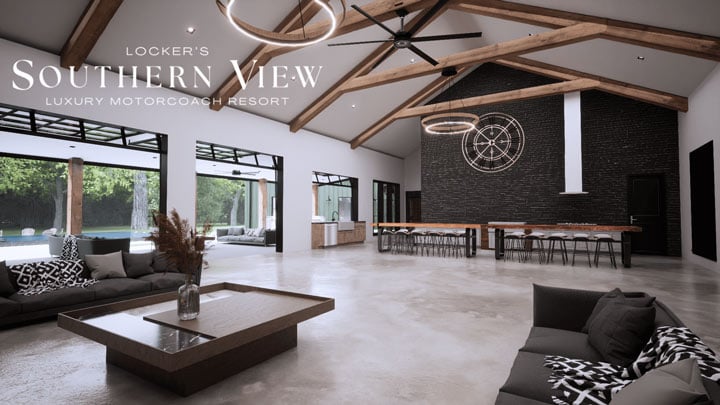
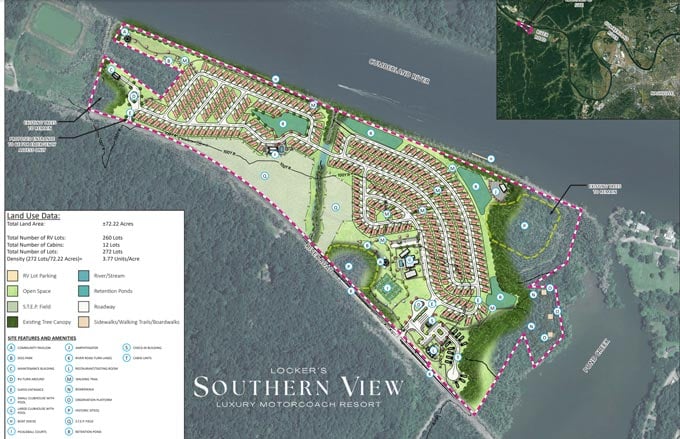
Ready to rethink RV life from the ground up? We kick off with a bold idea near Nashville: owning your own luxury RV lot at a true destination resort. Think landscaped paver sites, privacy greenery, an 8,500-square-foot clubhouse, eight pickleball courts, riverfront boardwalk, and a managed rental pool when you’re away. It’s not just a pad for a night; it’s a neighborhood without houses—and a real estate play that can cash flow and appreciate in a market short on premium spaces. John gets all the details from Joey Locker from Locker’s Southern View Luxury Motorcoach Resort.
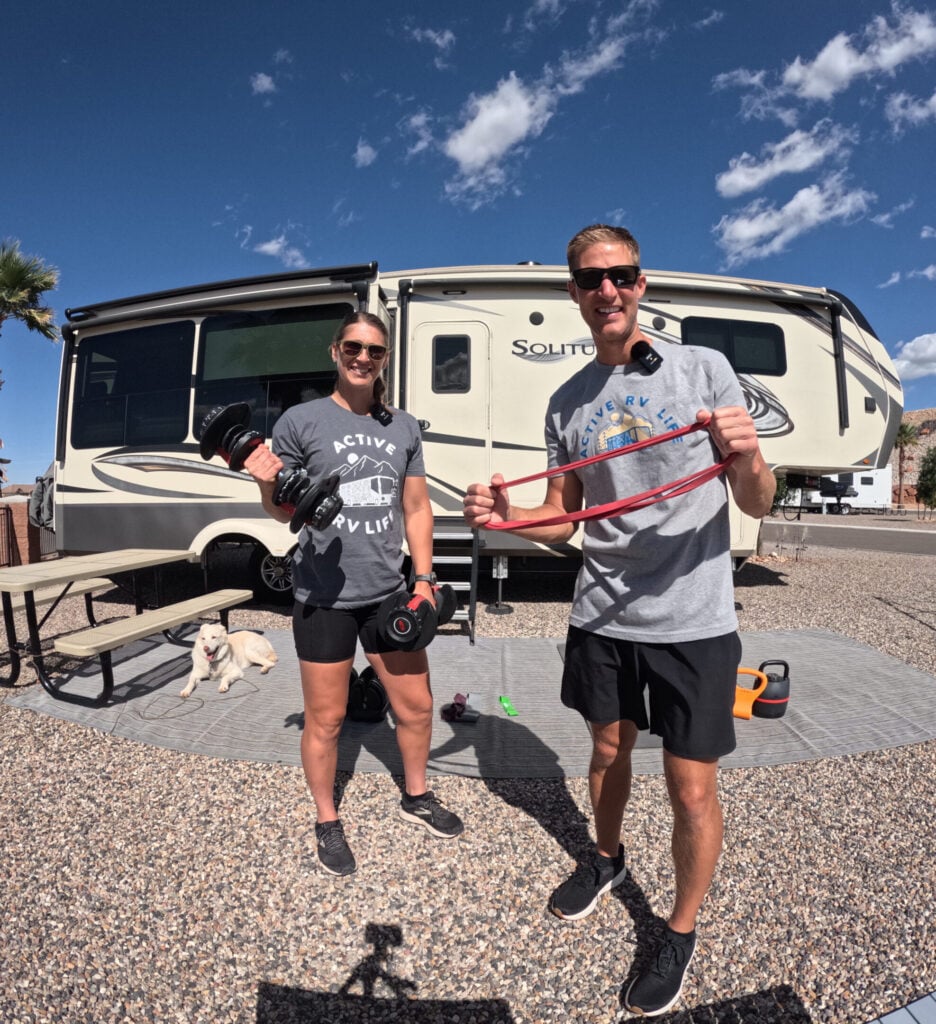
Then we switch gears to something every traveler feels: staying capable on the road. Jake and Sarah from Active RV Life break down how to dodge the “RV 15,” why mobility and prevention beat perfection, and how to train anywhere with minimal equipment. From chair-based workouts and nerve glides to trail loops near camp and quick “fuel stop” movement breaks, their habit-first approach helps you build energy, reduce injury risk, and actually enjoy the adventures you planned. Expect practical frameworks: stack tiny wins, use a visible calendar to keep your streak alive, and don’t miss two days in a row.
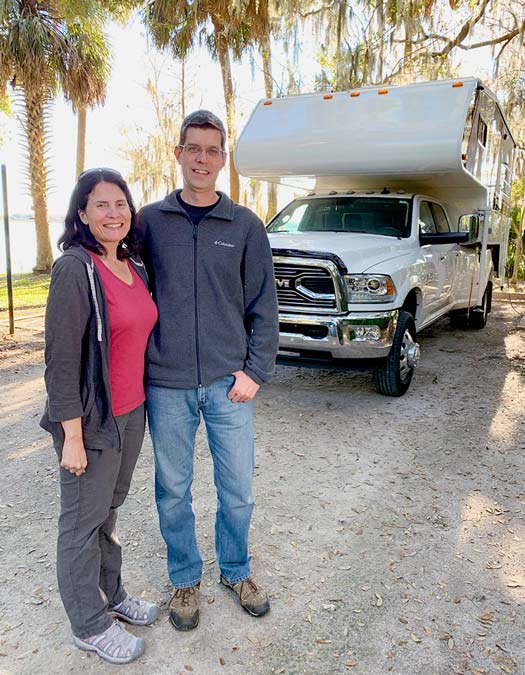
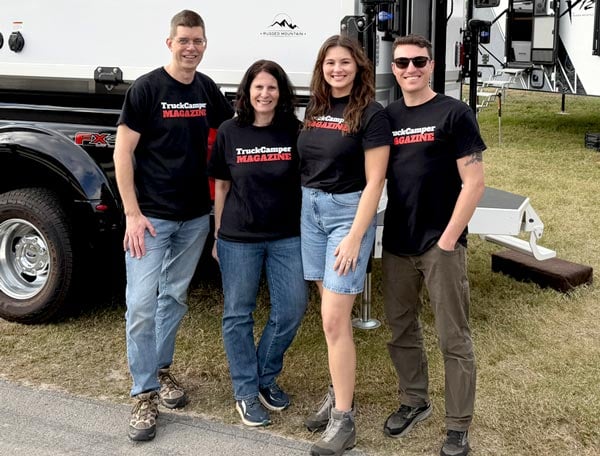
Our RV Entrepreneur segment features Gordon and Angela of Truck Camper Magazine sharing how they launched in 2007, visited every factory, stayed free to readers, and navigated the Great Recession by serving manufacturers and the community with candor. Now, with a fresh team to amplify video and social, they’re doubling down on in-depth, trustworthy coverage while evolving for a faster media world.
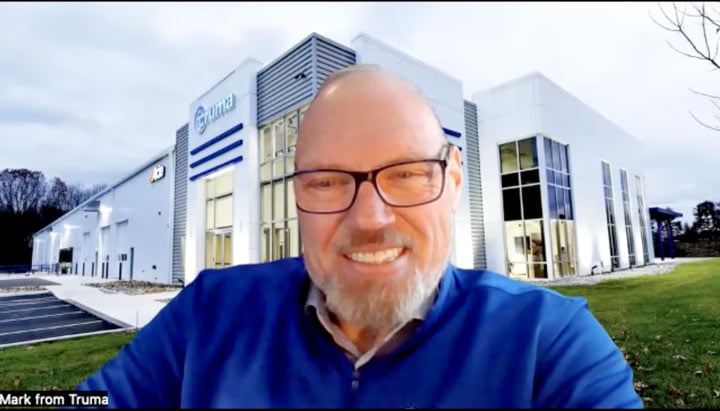
Finally, Bob sits down with Truma North America’s CEO, Mark Howlett, for an inside look at heating and on-demand hot water tech designed for quiet, efficient comfort. We hear why hybrid systems matter, how instant hot water recirculation sets premium rigs apart, and where the market may head through 2026 as inventories stabilize and segments like truck campers and compact Class C’s gain share.
Luxury RV Lot Ownership, Fitness on the Road, Truma & Truck Camper Magazine
Top Reasons to Listen Now
- Travel: Discover how owning a luxury motorcoach resort lot could turn campsite costs into long-term equity and rental income potential.
- Lifestyle: Learn simple, realistic strategies to stay mobile, prevent the “RV 15,” and build consistent health habits on the road.
- The RV Entrepreneur: Hear how Truck Camper Magazine built a thriving niche publication through recession, resilience, and reader trust.
- Industry News: Get insight from Truma’s leadership on heating innovation, fuel trends, truck camper growth, and what the RV market may look like in 2026.
RESOURCES MENTIONED
Be A Guest or Share Your Story!
https://podcast.rvlife.com/contact
Listen to the RV LIFE Podcast Episode #155
Listen and subscribe to The RV LIFE Podcast on Spotify or in your favorite podcast app. Or, read the full episode transcript below. Leave a comment, or contact us with any questions or feedback.
Connect & Learn More
- https://podcast.rvlife.com/about
- https://facebook.com/rvlifepodcast/
- https://instagram.com/rvlifepodcast/
- https://www.facebook.com/groups/rvlifemovement
Got a great story or tips to share with listeners? Leave us a voice message!
(NOTE: Audio submitted may be published on the podcast unless specifically requested otherwise.)
TRANSCRIPT: RV LIFE Podcast Episode #155
Luxury RV Lot Ownership, Fitness on the Road, Truma & Truck Camper Magazine
JOEY: You got more RVs being built than you do RV spaces?
MARK: Truck Camper Market is growing.
JAKE: We want to stay positive and really embrace this fitness and health journey that we’re on.
GORDON: I’m going to publish until the last company goes out of business.
JIM: Welcome back to the RV Life podcast. I’m Jim and I never want this to become the Jim and Renee show, so we don’t babble on with much banter. After all, we’ve got such great co-hosts with amazing guests, but we’d love to share your story too. So see how easy it is to contribute to the show or provide feedback at podcast.com.
RENE: Hi, I’m Renee. Thank you for joining us again. We’ve got a really fun lineup that hits a few different corners of RV life, from dreaming big about where you stay to staying strong enough to actually enjoy the lifestyle. Plus, we hear some behind the scenes business stories that keep the RV world moving.
JIM: That’s right, lots to cover here, like I said. So let’s dive right in. First up, John talks with Joey Locker, who basically invited himself onto the show. And we respect that hustle.
RENE: You can invite yourself too if you think you’d make a great guest or even have a quick story to share. Let us know.
JIM: All right. About Joey and John. They discuss a luxury motorcoach resort concept near Nashville where you can actually own your RV lot, not just rent it.
RENE: Then we bring you another fun lifestyle segment. This time we sit down with Jake and Sarah from active RV life to talk about health on the road and most importantly, staying healthy. Fitness on the road is important, but it can be tricky. They share practical ways to share consistent without needing a home, gym or a perfect routine.
JIM: We could all benefit from that. The RV 15 they mentioned is real for sure. After that, Rose and Glen have another RV entrepreneur profile with Gordon and Angela from Truck Camper magazine. They shared how they built a niche publication, stayed unbiased in a product driven world, and why they’re thinking about the next chapter.
RENE: And finally, Bob wraps things up with an industry news segment featuring Mark Howlett, president and CEO of Truma North America, talking Tumor’s evolution in the US, product innovation, and where the RV industry may be headed in 2026.
JIM: And if you don’t know what Truma does, you’ll have to just stay tuned or fast forward. But don’t do that. First, we’ve got John talking travel.
RENE: Okay, this one is for anyone who has ever looked at an RV resort nightly rate and thought, whoa, at these prices, I should be building equity.
JIM: John’s talking with Joey Locker about a luxury motorcoach resort outside Nashville that’s designed for longer stays, serious amenities, and a really interesting model where owners can potentially place their lot into a managed rental pool when they’re not using it.
RENE: All right, take it away, John.
JOHN: Hey, everybody. Welcome back to another segment of the RV Life podcast. My name is John DiPietro. We have a very special guest today. Special because he kind of invited himself onto the show and he watched one of our earlier episodes, and we always tell people, if there’s something that you want to discuss that you think our viewers would be interested in, we have a guest form down below that you can send in. Tell us what your background is and tell us why you think you would have something to contribute. And we want to welcome Joey Locker. Joey, you are one of our first guests who have snuck in the back door.
JOEY: I appreciate it. You gotta find some way in the door.
JOHN: Yeah, exactly. You’re coming to us from Nashville, and the topic that you want to discuss, not from a developer’s point of view, but from an rv’ers point of view, is RV’ers owning their own spot, especially if they have a high end class, A motorhome, diesel pusher type thing or a super C. And tell us a little bit about your background and about the property that you’re developing, and then we’ll get into why people should consider this type of ownership opportunity.
JOEY: Yeah. Joey Locker, outside of Nashville, Tennessee, kind of been in the construction and building sector for 15 plus years now. And I saw an opening in the open opportunity in 2020 when we saw Covid boom and the RV space was going, and I was introduced to people actually owning RV lots and realizing that this was a real estate play. So I went down that path.
JOHN: And with the rising cost of RV park rentals, again, depending upon where you’re located, you can be paying anywhere from 175 to $250 a night, probably more than the cost of a good Marriott hotel, with no equity. So tell us what your idea is. Tell us about the property that you are in the process of developing and why our audience would be interested.
JOEY: Well, this is a niche market where the owners are being able to come in and buy lots, like an HOA community. So it’s more than you would say is like a Passover RV park. This is something that you’re building an entire community around with clubhouses, pools, gyms, pickleball courts, restaurants. This is a neighborhood without the houses. You still have the nice amenities that come along with it, and you’re setting up along half a mile of beautiful riverfront. So this is a place that isn’t just for the overnighters. We want to create a community that people come back weekly, monthly, yearly on this. And we’ll also be able to share that with outside guests by opening their lots for rental as well.
JOHN: That was my question. I was just writing down, this would be a destination resort. This wouldn’t be something that you came from somewhere in another part of the country, and you parked for a couple hours and then got in your car and drove off somewhere. This is where you’re going to hang, right?
JOEY: Oh, yeah. We want people to come for months, weeks, months, years and be able to stay at this, at the resort to really have that experience of the South. And that’s what we want to show off here.
JOHN: Mm. And Nashville’s kind of special because people don’t. People don’t think of Nashville as a river community, but that Cumberland River, you’re going to have the General Jackson parked outside your place.
JOEY: I wish it would come all the way up that way, but it stops at Nashville and goes the other way. But we’re about an hour and a half slow boat ride to downtown Nashville, so we’ll definitely get to enjoy it.
JOHN: Now the sites that you’re talking about Joey, how big are they and what else is included on them outside of just for you know, a square footage of, of of space. Space.
JOEY: Yeah. So minimum lots are 3200 square foot. With each lot will come with roughly 1400 square foot of pavers and come with your full hookups and then have the option to go vertical on those with outdoor kitchens, pavilions. Just a glorified a big, glorious backyard for their big, beautiful coaches to pull up on.
JOHN: And these are pavers. These are not just stone dust or dirt.
JOEY: Oh, yeah, 100% all the all paver lots on here. This helps with storm water. And I’m trying to avoid the concrete jungle that you see in a lot of these parks.
JOHN: How about proximity to your neighbor? Are you going to be able to see the other unit, or are you going to keep it treed? You’re going to have you.
JOEY: Have treed full landscaping in between each one of the lots. To have a real outdoor experience. The landscaping will probably be one of the biggest focuses that we have on the property.
JOHN: Hmm. Who is your target audience?
JOEY: You’re affluent, 55 and up. Retiree. That is looking for a little bit more out of their RV stay where instead of just coming and hanging out at the RV lot, you’ve got an entire property that can be explored and have different options for people. We’ve got a 7000 year old archaeological site on the property that we’re turning into a boardwalk park. So you’ve got some historical sides of this. There’s so much history in this area that we want to be able to show off. So we got a little bit for everybody.
JOHN: Mhm. And when people say somebody buys a unit okay, these are all going to be is the entire property going to be saleable lots or you’re going to keep some transient lots open for people that want to come in and not own.
JOEY: Yeah. So we’ll have roughly 50 transient lots. This will also have 12 cabins on site that will be able to have the outside guests come in and experience and not be forced into the buying side of it, but be able to come and experience. And hopefully that leads to them buying in the future. And then the cabins were put on here so that the outside world that doesn’t even know this sector even exists can come in and experience this as well and get them like stepping into the outdoor world. I think everyone should experience it.
JOHN: Yep. Pools, hot tubs, spray parks, clubhouses. What about those amenities? Pickleball?
JOEY: Yep. So we’ll have an 8500 square foot main clubhouse. We’ll have eight pickleball courts, pool, out back gym, laundry service. Rec room. The eight pickleball courts, on site restaurant, outdoor amphitheater and a boardwalk park along the riverside over there.
JOHN: Mm. Now, if you decide to purchase. But for some reason or another, you can’t be there 52 weeks a year. I presume you’re going to be a year round property. Yes, sir. Right. Okay. How about rentals of your own unit? Do you put those into a pool or. Or how does that go? Do you rent it on your own, or does it have to come through the management office or how.
JOEY: So this will be something that’s fully managed by the office. You’ll have the option of putting it back in the rental pool that will manage for you. And then there will be a split going back to the owners of that. And these are, like I said earlier, these are real estate plays. So this is a cash flowing asset that should trade in the 7 to 9 range.
JOHN: Mhm. What are you anticipating lots to be selling for.
JOEY: So the entry level lots in there will go around 225, and then your lots along the river will be in the 450 plus range.
JOHN: Okay. And you can figure out your amortization based on what the average rate is, how many weeks you have to stay to make it worth your while. But you’re looking at an appreciation of these units as well. Right.
JOEY: That’s the crazy part about this is this is such a new market for the RV. Like selling these lots that they’ve appreciated so much over the last five, six years because of the fact that there’s you got more RVs being built than you do RV spaces for some of these resorts. And the top 5% of RV parks in the country are all seeing just incredible appreciation under their lots. A good example is there’s a lot in her side motorcoach resort in northern Michigan that is up for sale for $4.3 million right now.
JOHN: For a lot. Okay. Does that include the RV?
JOEY: No, it doesn’t even come with that. It comes with a nice gazebo, though.
JOHN: You mentioned that property. Are there any other properties that you used as models when you were designing this particular place?
JOEY: Oh, man. That one. Her side up in Petoskey, Michigan, mountain Falls in North Carolina is probably the pinnacle in my book, and it’s actually the closest luxury one to us here in Nashville. Then you got Motorcoach Country Club in Indio. You got a couple in that little group, and then you get down into Florida, and Florida’s probably got 90% of all your RV parks in the country, and you’ve got some pretty good ones down there. But Mountain Falls and Hearthside were the pinnacle in my book of where it comes to landscaping outdoor feeling.
JOHN: How about a website that people can take a look at your property at.
JOEY: Yep. So our website is LSVMotorcoachResort.com.
JOHN: Simple as that Locker’s Southern View. That’s it. Hey, Joey, we want to thank you so much for number one for filling out the guest inquiry. You ended up in the show right away and wish you well in your endeavor. And if people want to find out more about your particular plan, they can go to lockers. Know LSV Motorcoach resort.com.
JOEY: That’s it.
JOHN: And I want to thank you and everybody for watching this segment of the RV life podcast. My name is John DiPietro. We’ll see you again real soon.
JIM: I tell you what, I’ve known about co-op parks for a long time, but this is a different way to think about RV travel. You’re not just visiting, but owning a home base you actually want to come back to and maybe sell someday?
RENE: Yeah. No kidding. I didn’t have an 8500 square foot clubhouse and eight pickleball courts on my bingo card for today, but here we are.
JIM: All right. Up next, let’s switch gears to something that affects literally every one of us on the road, no matter what we drive. Taking care of your body so you can actually enjoy the lifestyle.
RENE: We sat down with Jake and Sarah from active RV life. They get real about what happens when vacation mode becomes a lifestyle, how the RV 15 sneaks up on you, and why mobility and consistency matter even more than intensity when you live in an RV.
JIM: Spoiler alert that RV 15 is the 15 pounds none of us admit to gaining since we hit the road, but let’s hear it from Jake and Sarah. Welcome, Jake and Sarah. So good to meet you. The two of you have lived this lifestyle full time for like five years now, right? So when did it first click for you guys that staying healthy on the road was going to take a little more attention than expected.
JAKE: We actually got pretty lucky. So one of the main reasons we started roving in the first place was to follow Sarah’s race schedule. So she’s a pro obstacle course racer. So think of like Spartan Tough Mudder. And so we were actually following the circuit around the country. And so we had to already be mindful and intentional about being healthy and eating well on the road. However, with traveling for the last five years, we’ve certainly talked to a lot of folks. And since with the race schedule being over, there’s this like vacation mode that folks can get in. And so you’re traveling all these places you want to try out all the new restaurants. And yeah, before you know it, you kind of pack on the quote unquote RV 15. And so there’s certainly a time and a place to be able to indulge and go out and have a date night and be guilt free and have fun. But you gotta be a little bit intentional about it and not just do it day in and day out.
JIM: Yeah, I love what you said there real quick. But for listeners who may not be so fitness inclined, what do you mean by RV?
SARAH: Well, we I’m sure if anybody’s gone to college their freshman year, they kind of go a little wild and crazy. They’re like, oh, I’m not with Mom and Dad. I can eat whatever I want. And they usually gain about £15. In the athlete side of things, we don’t gain weight until actually it’s called a senior 15 because after you graduate from college, you’re like, wait, I don’t have a coach telling me what to do. I can eat whatever I want. So that happens in senior life as an athlete. But in RV life it happens also as well. Like it’s just everybody seems to get this extra little £15 fluff because it’s like, oh, this is a new life and I don’t know how to manage it just yet.
RENE: I agree with that. At least for sure. For sure. Yeah. We, I’d say we put on a little weight when we started traveling because it is fun to go around sample stuff and you feel like you’re never going to be there again. So I’ve got to go to this, barbecue or whatever. So I totally get it now. You are a lot younger than most full timers. And Jim and I were when we started. We were, what, 40? It’s been a long time. But most people are in the retirement getting towards the retirement stage. There’s a lot of full timers in that age bracket, and they might have spent years planning this adventure. Oh, I’m going to full time for a year and do this now. Mentally they’re ready for it. Physically is another story because the older you get, maybe you might get a little angry about things like fitness. And Jim and I bought a truck camper once and a friend of mine looked at it and said, wow, you’ve got to be pretty bendy to be in that thing. And we laughed and we said, well, I guess I guess we are. But I didn’t look at it like that. There are physical things about this lifestyle that you have to be ready for. So if somebody starts to become limited in living the lifestyle, what are some signs that like, hey, maybe you should pay a little more attention because you’re not going to be able to enjoy it very long? What kind of issues do you see cropping up with people?
JAKE: Well, I don’t think it’s just with the older generation either. So it’s even within some of our peers surrounding some of the physicality. So if you don’t have one of those morryde electric reels that that puts your nice electric, 50 foot electric hose nice and tight. Yeah. Being able to pick that and drag it and then doing any sort of maintenance work because things break in the RV all the time and jumping in and out of the pickup trucks. And so the mobility and flexibility I think is something that we all have to pay attention to. And even for me personally, that’s something I need to start working on. Like kind of tweaking your shoulder or tweaking your knee because you’re down on the ground, you’re crawling around, or you’re doing maintenance work and you’re an awkward positions. You’re up on the roof. And so you might be strong or you might be able to go running, but having that mobility to do the everyday RV life again, I think that’s something we all can improve on and need to be mindful of.
SARAH: With that too. I wanted to talk about because you talked about like age. I wanted to bring up like something that a lot of people don’t understand. I’m a health, not health not not health nut. I don’t know why I can’t can’t say that right now. Of course, I always liked health and fitness, but to the level I am right now, I actually had to be this way because I was diagnosed with Crohn’s disease back in 2010 and I could just not eat the normal foods. My body was not just functioning properly and because I have Crohn’s disease, I ended up tearing both my ACLs. I had surgery on my back and I it’s just because I’m prone to injury. Well, not right now, always. And I have to just really be cautious with so many things. And I was a freshman and I was a sophomore in high school when I was diagnosed with this, and I had this issue happening whenever I was in middle school. So that happened at a very young age. I know my one friend, I’m 31, going to be 32 next month, but my one friend, she already has arthritis.
SARAH: Another friend of mine has lupus already and they’re just skimming 30. So like a lot of these things I think people don’t understand, like their bodies. Like we feel like we’re invincible when we’re younger. But I don’t think a lot of people realize what’s happening to them until they go to the doctor and they’re like, hey, like, these things are happening because of the lifestyle that you lived. And unfortunately, like those are the things that people don’t realize. And like, the body unfortunately starts to shift at the age of 25. And that’s why I think a lot of people don’t understand just waiting until you’re 55 plus to start working on bigger things is not the way to go, because now you’re playing catch up, and that’s one of the things that’s really scary. I really got into this really early because I was forced into it, and I’m very appreciative because it’s like a little secret. It was a secret blessing because of course I didn’t want to go through all this. But now that I learned at such a young age, now I’m never going to take my health for granted.
JAKE: Yeah, and even the RV lifestyle itself. And so people want to go. They hit the road. And I don’t know how some of the folks do it, but it seems like they’re traveling thousands and thousands of miles in a very short amount of time. And when we went, we wanted to go visit Glacier National Park. It completely wrecked me trying to drive from Pennsylvania the whole way across all the flyover states to get to Montana. There is a thing called deep vein thrombosis, where you can start to develop blood clots in your legs. You can have you just don’t have the circulation and the blood’s not flowing properly. And you can have the blood start to accumulate in your calves and things. I actually had a coworker back in my corporate America days get a blood clot in his leg. And it was a he was in his mid 40s and just from sitting at a computer a long time. And then also as we age and we’re starting to travel and people are trying to go from up north down to Florida and crazy stuff. So we have to be mindful about whenever we’re stopping for diesel and for gas, that we’re getting out in a safe spot. Some of the travel, you know, loves and flying J’s are crazy with the truckers, and there’s a lot of chaos. But go in a safe space, do air squats, walk around, get that blood moving. You want to stop every 2 or 3 hours to just to kind of wake that body up and making sure you’re having good blood circulation.
JIM: I want to talk about that in just a minute. But Sarah, you mentioned catching up. Maybe this is a good time to interject a little preaching about prevention versus trying to fix things after they happen. Do you have any kind of testimony for us about the benefits of preventing these things from getting worse in your body before you get injured or such?
SARAH: Yeah, absolutely. So just another thing that’s wrong with me is that I’m hypermobile. I am a lot more bendy with a lot of tight muscles because of the surgery areas that I have. And the reason why I’m bringing this up is because we went to a physical therapist, and she told me the only reason why I’m still functional is because consistency of what I’ve been doing every single day has made me be able to do the things that I need to do, even though it’s still challenging for me to do so. But because, like I said, I learned I think I was 15 or 16 years old that this is going to keep me afloat. And now understanding that really makes sense. Like even though it’s like, man, I don’t feel like going for a long run. Okay, well why don’t go for a bike ride instead? Maybe go for a casual speedy walk or hey, a lot of these RV parks have poles. Just being able to just kind of swim around and float around because like catching up. Like you said, a lot of people will fix the issue that happens. And that’s unfortunately not the real issue that needs to be taken care of. And we think to ourselves, oh, we’re getting better, we’re getting better. But there’s so many other elements that you just don’t realize that’s actually affecting you.
JIM: You know, this is really hitting home because I actually ended up with unprovoked DVT and survived a saddle embolism only because of my history of running marathons and being accustomed to having less oxygen in my body. But enough about me. This time of year, people are tending to give up on their New Year’s resolutions. Sarah, I understand you have a master’s degree in applied sports psychology. So when someone might have fallen off the wagon, that barrier is often more than just physical for me. I have a difficult time getting back into a good routine right now after a serious Achilles injury. So tell us, what exactly is sports psychology and how do you help members overcome the mental obstacles when starting over after giving up? I see, it’s I see, I’m seeing how easy it is to just give up and I refuse to do it. But I’m having a hard time mentally, so maybe be my coach for a minute.
SARAH: Yeah. So there’s a huge section in like the applied sports psychology side of things where it’s returning back after injury. And we all know that like once your body can’t do something that you used to be able to do, there’s so much mental load that just kind of tacks on. It’s just like I used to be a spring chicken. I could have done this super easy. And why are these things challenging for me now, which they weren’t challenging back then. So I kind of go off of this like massive awareness piece first because it’s like, if you’re not aware of what’s going on, then like, I can’t do step one, two and three if we don’t get to that intro first. So the awareness piece with that is basically understanding. Like, yeah, like it might have not felt challenging in the beginning, but ultimately those things that you were doing, like training for a marathon, like there was probably harder moments that you might have just kind of forgotten because you got really good at it after a couple years. And we need to kind of revisit younger self. That’s one of the things you can have a conversation with younger self like, okay, like look at where I am now and there’s some things that maybe younger self would be upset with, but at the same time, what would younger self be so excited that you are at this point in time? Hey, I’m traveling. I used to only be in this one little state in my hometown, but now that I get to RV, I got to see like the Corn Museum in what, in Nebraska or South Dakota, like, or Glacier National Park, where most people, like, just haven’t even left their hometown. So kind of getting that understanding of returning back to injury, getting that confidence and self-esteem back up, but then also understanding like younger, you would be so proud where you are right now.
JAKE: Yeah. And Sarah actually okay, so Sarah actually helped me out. So in the the winner of 2024, we’re literally trying to start active RV life and we’re out trail running. I took a fall, fell pretty hard, ended up spraining my left wrist to the point where I wasn’t able to flex or extend it. I had a wrist brace on. And I’m freaking out because we’re literally starting a health and fitness company. Health is part of my identity. So not only was I worried about the professional side, but personally, like, I’m not able to RV and do the stuff that I want to do. I and I had to rely on Sarah a lot to do the tear downs and setups and helping me hook up and doing all the the day to day stuff. And so there was a lot of physical limitations, but also the mental struggle and getting a little bit of depression like depression symptoms. And so Sarah was able to help let’s, we’re gonna number one, we’re going to start with some goal setting, realizing we can’t take back you can’t keep focusing and dwelling on who you could have become. We actually had another like we had a race coming up in a couple months. I had to pull out of the race. And so it was okay. We got to focus on what you can control.
JAKE: So you got to control the controllables a little bit of visualization. Like Sarah was saying, like helping with confidence and then coming up with like short little milestones to give me some of those quick wins and to help build that momentum to keep me going. Sometimes, like people set these huge astronomical goals and it’s hard to stick with it. And you kind of get into the minutia of the day to day. So trying to help me reframe it to where I can get that those quick wins, the success building one, getting those 1% improvements day in and day out and then focusing on what what can I do. And so yeah, I can’t do a push up, but can I turn my like, turn my, my palms in and I could do push ups this way because my wrist isn’t flexing out. Can I use, can I go for a run? Can I do lower body movements? Can I focus on doing yoga and the mobility side, which is very important that overall general health. So it’s kind of giving me the foundations. And so I’m not just like, man, I can’t, I can’t do this, but allow me to visualize and focus on what I can do.
JIM: Right. Adapt overcome.
RENE: That is so smart. I meet so many people who say, I used to be a runner or I used to do this, and they just experienced some kind of injury and just stopped, and then they stopped doing everything. And I like the advice to let’s find something that you can do. Everybody can do something. I mean, we can all do something no matter what your health situation is. That’s my belief. It’s easy for me to say I’m not having any health issues right now.
JIM: And that’s why she got me a bicycle. Because I’m not running like I used to.
RENE: He got injured. I got really tired of him just being grouchy, watching me go out for runs.
JIM: Like I said.
RENE: He’s still grouchy, but you need to do something. So I came home with a bike one day. I’m like, please just take this out. And you know what? He’s in a much better mood in the mornings. So speaking of equipment and things now, RVers like us, me and Jim, we’ve always had really small travel trailers. And I’ve always said, God, I’d love to bring my weight set with me, but I can’t do that. So a lot of our viewers feel that way. I can’t bring a bench. I can’t, I can’t bring this. You have workouts that are specially designed for RVers. Tell me about your Nomad series and your senior series. How do you create effective workouts for people when they live this lifestyle?
SARAH: Yeah. So as we know, like there’s small rigs, there’s honestly homes that are basically rigs nowadays and we try to fluctuate with minimal equipment to no equipment to something that is specifically in a chair. So let me talk about like the nomad. So what the nomad, we know very small rigs and they probably don’t have the, No best fantastic setting in front of their campground because they might be boondocking, or they might be just in a parking lot during the time frame. So with that kind of program, it’s basically, hey, we suggest putting a mat on the ground, but most of it is going to be body weight, so you can just get a quick little fast workout in without having to collect a bunch of stuff. Now, because we do have a big RV, we have collected some equipment. We have like interchangeable dumbbells, we have bands, things like that. But of course we have a fifth wheel. We’re able to have that. So in the Nomad type of series, we definitely try to keep it very minimal, but also very functional. It’s supposed to be like the workouts itself are not going to just be like bicep curls and triceps. Certain things like something that you traditionally see in a gym, you’re going to be doing movements. It’s like, Sarah, what did you just make me do? But that’s the point. These movements are supposed to be very interesting looking for it to be functional for your body. Because if you just do the bicep curls, you’re not going to get a functional workout because we all know if we have to get something, you’re reaching all the way back and bicep curls aren’t going to help with that.
SARAH: So like I’m purposely adding the lower body and the upper body together. And on the the senior strong series that we have, we understand that there’s going to be limits with coordination and balance. There’s nerve pinching. So I’ve created some nerve flossing and nerve gliding type of programs. But the functional independence one is the really big one. And I also have a chair fitness program where you can either do yoga or like a little hit workout in your chair. So that’s purposely made for you to like the coordination one. You’re supposed to be using your brain and your body at the same time. We all know that our brains start to turn mushy when we’re not using them all the time, and I see so many people doing puzzles and trying to do games and stuff, but like, why aren’t we doing that with fitness as well? So I purposely did that because we also know that RV’s like if you don’t have a good like jacks to keep your RV from moving around. Like I one time stood up for my couch and I fell over and I was just like, did I have like a couple drinks or something? Like, I was so thrown off. And then I put my pencil on our island and it rolled. I said, okay, it’s the RV, it’s not me. Like I felt so much better after I did that. But like.
RENE: Lifestyle.
SARAH: And like the ladders getting in and out of your RV, they’re like, they’re not always just stable and things like that. So anyways, like, these programs are made for you to be able to be functional, independent. It’s supposed to be easy and if it’s hard for you to be standing up, we do have a chair for you to be able to do the workouts just like that. So very, very simple small space that you’ll need to do these certain things. But yeah, like that’s the whole idea after about the active RV life programs.
JIM: You know, that sounds great. And it’s really exciting sounding too, because I can personally attest to like, variety being the spice of life, having done, three particular rehab exercises for months and finally talking with my therapist who says, yeah, you can mix it up. So now I mix in other elements bear crawl stand ups, that sort of stuff that just like mixes it up. It makes it a little more exciting and that helps you get on with it. But you’ve mentioned, like you said, this isn’t about like perfection. We’re not going for a ten every time. It’s about habits that you can actually stick to. And when, variety helps with that. But what’s one small habit our viewers can start doing today that makes a really big difference for the long term?
JAKE: So I think just getting up and moving in general. So whether you’re just starting out or if you’re just getting back into fitness. So just trying to batch and create those small little wins that, just by moving. So if you’re going to a new RV park, while you’re walking around checking things out, you’re meeting new people, you can do the air squats, the push ups, or do some stuff on the picnic table. If you’re walking the dog in the morning, before the whole chaotic days agenda kind of gets away from you, before you come back inside. After walking the dog, go out and do a quick mini workout. Doesn’t have to be perfect. It just be ten, 15 minutes just to get the blood flowing and then you’re starting to kind of stack those habits to begin building those. And so to plug James, clear his book Atomic Habits, highly recommend it for everybody. There’s a bunch of techniques on how to batch things and make stuff a little bit easier to stick with those habits. Essentially, if you can improve 1% each day, if you do the math, that is 30 times 38 times better in a year just by those little, small, little wins, if you keep stacking those on top of each other.
RENE: That’s one of our favorite books for sure.
SARAH: Yeah, it’s a great one. And then what I was going to say, too, is like being able to utilize your RV location as your playground. So the best advice I have is just be curious. Like we all know, when we go to an RV park, we’re checking out the restaurants, we’re checking out the best must sees. When you’re in the area, why aren’t we checking out the trails? Why aren’t we checking out other things that can be close by? Because like we talked about, like going to national parks, of course, we have high intentions to do so, but sometimes life gets in the way. I mean, we work sometimes we’re actually not exploring as much as we want to all the time. So we purposely found an area by RV park where it’s like, okay, we can do this two mile loop super quick, come back. We’ll just take about 30 minutes away from work. We’ll do the two mile loop, bring the dog, and then we’ll come right back. And then outside of that, how can we just figure out certain areas that are also safe? So that’s one thing that I understand. Like when you’re in a new area, you don’t know what the wildlife is like. You might not know what the weather is like. You don’t know if like, the people are cray cray around where you are, things like that. So just understanding what’s safe versus what’s not is really important as well. And that’s why we are trying to create a community in this side. So like if you’re not comfortable doing things on your own, you can find somebody to, hey, let’s go do this thing. So we are safe and protected. And then, it just it’s magic after that.
JAKE: Yeah. And then one last thing. So, Jim, you brought up a good point you were talking about you’re looking for consistency over perfection. And so we have to frame that in our mind that we want to stay positive and really embrace this fitness and health journey that we’re on. So Jerry Seinfeld, when he was starting out as a comedian, literally had a big giant calendar, and his goal was to write one joke a day so it could be a good one. It’s going to be a bad one. It could be mediocre. But just the act of him constantly writing one joke, and he would take a Sharpie marker and write a big X and cross that day out if he did it, and his goal was not to miss two days in a row. And so give ourselves a little bit of grace. This is a journey. And so it’s going to take it’s going to take longer than what we want. It’s going to be harder than what we want. But as long as we’re putting one foot in front of the other. And I really advocate people to get just a paper calendar, get something that you can grab in your hand and write at the top. I am healthy or some sort of statement that you’re going to be able to start identifying with. And every morning, have it on your fridge or somewhere. I want people to read that and really start to. Yeah, I am the type of person that does this or whatever the goal is and then cross that day out. Whenever you start doing those small little habits or those process oriented goals that you have cross that day, try not to miss two and again, embrace that journey.
JIM: Fantastic advice. The two of you have been so helpful and you’re setting such a good example. Everyone on the road needs to hear this. What’s the best way listeners can learn more about what you’re doing?
SARAH: So we are on a lot of the social media platforms Facebook, Instagram, TikTok and also YouTube. But if you want to check out us a little bit more on the portal and stuff like that, you can go to our website, which is just active life.com. And then if you ever run into us during one of the like RV rallies that we’ll be in, of course reach out to us. We would love to meet you in person.
JIM: Ditto. We hope to catch up with you down the road and we’ll get all that in the show notes. Thanks again.
RENE: Thank you so much, guys.
JAKE: Thank you.
SARAH: Yeah, thanks for having us.
RENE: I really enjoyed chatting with those two because it’s not about perfection. It’s about staying capable.
JIM: Easy for you to say, Miss Marathon Runner RV life. Ask more from your body than people realize. You’re constantly climbing, squatting, lifting, twisting, crawling around, hauling hoses, stepping in and out of trucks and then wonder why your knees hurt.
RENE: No matter what your fitness level is. The big takeaway for me was don’t wait. Don’t wait until you have time. Do something now. Anything. Start small, be consistent, and don’t miss two days in a row.
JIM: I’m getting tired just listening to you. All right, next up, our RV segment with Rose and Glen. And this one is a great RV entrepreneur tale about building something in a niche that many people didn’t believe could support such a business.
RENE: They’re talking with Gordon and Angela from Truck Camper magazine about how they turned their passion for camping into a long running publication. They share what it took to survive the Great Recession and how they maintain trust with readers, while also working closely with manufacturers.
JIM: On with the show.
ROSE: Hello, Gordon and Angela, welcome to the RV entrepreneur segment of the RV Life podcast.
GORDON: Hey, hey, hey. We’re excited to be here.
ANGELA: Yes. Thank you.
ROSE: So today we’re discussing the business side of your truck camper magazine. But before we get into that, briefly share with us a little bit about how you got into truck camping and why you started a magazine.
GORDON: The short story is we got in the truck camping because we moved from Washington, DC to Lancaster, Pennsylvania, and we made a little bit of money because it was 2005, top of the housing market before everything went to, where. And so we did very well and we made some money. And I’ve always wanted I grew up in, in Philadelphia and outside of Philadelphia, and I always wanted to see Oregon. I was fascinated, I don’t know why I was interested in RVs and fascinated with Oregon, and we’d made some money. And I looked at Angela and I said, how about we buy an RV and go see the country? And she said.
ANGELA: I said, sure. We’re in between jobs. I was teaching, and Gordon was writing a book, and we were like, this is like perfect timing because we haven’t committed to anything up in Lancaster, and we can go out on the road and it’s not really in conflict with anything.
GORDON: So I married the right girl, right? I mean, when you say, hey, why don’t you just spend a lot of money and buy an RV and hit the road? And she says, yes. I thought, okay, before that, I had started independent, like, newspapers and things, even in junior high and into high school. And then outside of after high school, even in college, I’ve always been writing, publishing, selling ads, just my nature. And Angela ran the high school yearbook. So another lucky twist of fate, right? That I’m the entrepreneur who wants to publish and do things and wants to do that. And Angela has this incredible background, like she can spell in this grammar, which was not my. I’m the creative that loses thoughts in an instant. So between the two of us, it was perfect. Totally planned. Not. But. So that explains why we got into Rv’ing. Why we went camping. How. How we got into business. But the real way we got into business is we. We went camping for six months, hit the road, saw all kinds of things, totally fell in love with truck camping, came home, couldn’t afford to keep the truck or the camper had to sell both.
ANGELA: Right. And we just happened to choose a truck camper because it was something I felt like I could drive. I really wanted something I could wrap my arms around and go, I can drive a pickup truck. I’m not going to drive a fifth wheel. I’m not going to drive a travel trailer. I’m not going to drive a big honking class A, so we were kind of like, that’s what we fell into the truck camper. And when we got home, I went back to teaching and Gordon went back to work. And we’re just we kind of went through withdrawal. We’re like, oh my gosh, like we want to be back on the road. We don’t want to be here in a house. And Gordon kind of finished his book and he went, there’s no resource out there for truck campers. Why don’t we start a truck camper magazine?
GORDON: And she didn’t laugh. That was another, like, win for me, right?
ANGELA: Well, I had my teaching job, and I was like, well, you know, we can live off my salary if we have to.
GORDON: And I was unemployed. I was a bum. So basically, I started trucking. I wrote three articles How to Choose a truck, How to Choose a camper, how to Match a Truck and Camper. I purchased Truck Camper Magazine.com for 9.99. I launched the website and by the end of the week we had sponsors and readers because I was, I had already done so much publishing and selling and everything from like other adventures, I knew what to do. And so it went. I mean, that’s the that’s the most that’s the shortest version. The longer version is we went right into the Great Recession and everything fell apart. But that’s a much longer story.
GLYNN: You know, it’s in preparation for this. You sent us an article to read in truck magazine entitled The Never Before Told Story, which to our listeners, I highly, highly recommend you reading that story because it was it’s not just a cool story.
ROSE: It was pleasurable.
GLYNN: It was such a pleasure to read. Didn’t want to stop reading that one. So thank you for sending that a and in it you list some really lucky situations that occurred. Aside from that, did you find that there were really or any like really big obstacles that got in your way?
GORDON: Well, other than the fact within a year we had 42 clients. So doing well.
ANGELA: In 2007 when we started. Okay. So we went from 0 to 42 in a year. That’s 2007.
GORDON: Just to put that in context, I’m either on my computer or on the phone and it got so bad in terms of how much writing I was doing that I would get up every morning and pull two Yuengling beers out of the refrigerator and hold them in my hands just to get my hands to release, because I was working so much. So if you walked in, you thought I was a raging alcoholic, but really, I was just working. But so the biggest obstacle was and you can’t avoid it was we started in 2007, right into the Great Recession, and we lost, I would say, 20 clients just because they shut down and closed. I had people I had really just become friends with that, you know, just had started to work with as clients, calling me in tears because they had let go people their father had hired. I think we all forget how impactful the Great Recession really was. So then the mission changed. It was, what can we do to help these domestic manufacturers survive this? So I told every company that we work with. I said, I’m going to publish until the last company goes out of business. Pay me when you can. And that was that moment, and there was nothing else that would have survived that. And lucky for us, we were only digital, so there was no printing presses to worry about. No distribution. We literally could have survived till the last client. And.
ANGELA: I went back to teaching for a couple of years until things kind of ironed out. And then I came back and joined the magazine again, because that way we knew we had my benefits and we had my salary. And Gordon could literally keep the magazine going until every little last one of them went out. But it didn’t happen, and we had about 20 clients leave us. But then some of them came back and then others. Never. Never.
ANGELA: It was a test.
GORDON: But I tell you what that, you know, people say those are your proudest moments, are the ones that you hate living through. But you look back and you go, know, that’s when we forged who we are today. The rest of it is.
ANGELA: And we’re going on 19 years. This January will be 19 year anniversary. And I think that experience happening year one, basically, you know, we started in 2007 and 2008 was the recession. It kind of just made us stronger as a company, as a couple, to be able to get through that. And now when we go through things like Covid happening and all of that, it kind of is like, okay, we got through the Great Recession, we can get through this.
GORDON: If anyone out there is an entrepreneur are thinking of entrepreneurship, the word is grit. Much more important than or skills or grit. Grit.
GLYNN: Grit. You said something earlier, Gordon. You will publish until you know we’re done. And you pay us when you can. When you put goodwill out there and you have grit, then you’re doing something.
GORDON: Yeah. Well, the thing was, we meant it. It wasn’t something we were doing from a business point of view. There was a sense of urgency. There was a sense I was talking to people that ran major companies that were genuinely worried. And here we were in a position where every lead we could help them generate, every article we could publish, every time we could help their phone ring, could help a domestic manufacturer keep people on the production line, keep things flowing. So it was sort of an awesome responsibility. It was also wonderful. I must admit. It was really tough, but to be thrust into such an important role so fast was awesome. I’m like, okay, let’s do it.
ANGELA: The other thing is the first year in 2007, when we started the magazine, Gordon and I said, we’re going to visit every single truck camper manufacturer. We want to learn this industry. We want to learn how all the truck campers are built. We want to learn the companies. We want to meet all the people. So literally July of 2007 until sometime in 2008, we were on the road in the factories. So during that time we got to know all of the industry personally, meet their families, go to their factories. We had some of the most amazing experiences. We should totally write a book just on the behind the scenes of that trip. And so I think when 2008 happened, the recession happened. We felt like we don’t want to let these people down.
GORDON: I felt connected to them as people.
ROSE: Yeah, we still do.
ANGELA: I mean, 19 years now and some of the same people are still running the company.
GORDON: So it’s the same with the community. Like we go to a lot of truck rallies and stuff. So we didn’t want to let down.
ANGELA: The community, the readers.
GORDON: People who were using truck campers, which is what we were doing. So, no, we don’t fake this. This is fun. This is who we really are.
ROSE: So, Angela, you were teaching still and he was writing and doing all this. There came a moment, I’m sure. What was that aha moment? Like this magazine really could be your main line of work.
ANGELA: I think when, we went on the road together that first year to visit all the factories. I came back and taught because, you know, money was tight. We were losing sponsors. And then I think it was just that more and more we saw that we couldn’t do what we needed to do in June, July and August.
GORDON: I was also holding those two bottles of beer in my hand. Right. And I told Angela at one point, I say, we’re going to go. I’m going to go get someone to help me because I’m physically breaking down. Like, it’s weird to realize your limits. Like, I can do this for. No, there’s only so many clients, so many phone calls, so many interactions I can have. So I said, I need help and you’re perfect because you’re organized.
ANGELA: And well, we also wanted to be on the road. We wanted to go back to the factories. We wanted to go to the Expos, we wanted to be involved, and we both loved being on the road in our truck camper. So we’re kind of like, okay, this is going to work. We’ll make it work. Even though 2009, when I stopped teaching, we were still kind of coming out of the recession.
GORDON: Yeah, it wasn’t like the recession happened and there was a green light a year later. It really went. It really went through 2012 before things got back to normal.
ANGELA: So in the RV world.
GORDON: So having Angela quit teaching was a huge gamble. But we just were we just went all in.
ANGELA: We just made it work. Yeah.
GLYNN: Wow. And the passion and love for truck camping and the industry is so clear with you too. This is cool to hear. But truck camping, I mean, that’s such a small niche within the RV industry. And don’t get me wrong, I think truck campers are probably the coolest RVs on the planet, so I’m with you all the way. But what made you realize that the niche was big enough to actually support your livelihood?
GORDON: The funny part is, the industry all asked me the same question. We went to an event a few months after we started. No one had met us. Nobody. So we met the entire industry at the same time, and half of them said, what are you doing?
ANGELA: They also said, how old are you?
GORDON: How old? Yeah, I was 30, 34. And I’m looking at like, what are you doing? And how old are you and what gives you the I mean, they really were, you know, some kid shows up and Angela shows up and we get out of our vehicle and they’re like, oh, it’s just you guys like, yeah, it’s just us. So like, the industry was, I had run a music magazine before this. I probably had 50 or 60 clients, and then Napster and iTunes wiped that whole marketplace out. So I had a really good feel for how many clients we would need, how much we would need to earn. I had run, the print magazine was the music magazine was in print and online. So I knew if we ran it online, we could keep our costs low. I just had a feel. I’ve done this for long enough to know the size of the market would work. It was the industry that didn’t know it was them who were not convinced that they were worthy of a magazine. So and most of them didn’t advertise. Most of them never announced their product. Most of them, when they did model year updates, just did them and kept like there was no sense of announcing things. So we had to.
ANGELA: We kind of had to make it up as we went and see what they needed and get feedback. We were constantly asking them questions like, what kind of articles do you want? The beginning was a learning experience for all of us.
GORDON: Pure invention? Yes, and it was super fun because there was no such thing that I could find anywhere as an online only magazine. I mean, that really scared everybody. What are you. 2007 I’m starting a magazine. Okay? It’s online only. What?
ANGELA: You’re not printing, really?
GORDON: But I knew what that meant. I just had to convince everybody else of where we were going, and thank God we did, because 2008 would have wiped us out.
ANGELA: Had we been printing.
GLYNN: You are so ahead of the curve, so ahead of the curve.
ROSE: But that takes time too. That probably took a while for people to catch on. Like not print but online.
GORDON: Well, the first year I know this is audio only, but I’m going to show you and you can describe it. The first year we published everything and then I put it into a book and this is the book.
ROSE: Year book, right? Yeah, I read that. Oh my gosh, it is pretty thick.
GORDON: Listen to this, listeners. It’s like a phone book. And the reason like.
ROSE: How many pages.
GORDON: Here.
ANGELA: It’s like 400 or something.
ROSE: Something. Wow.
GORDON: It is 438 pages. This is everything we published year one.
ANGELA: And our articles are much longer now. Like, so the reason.
GORDON: We did this book and you can see I see all the pictures from that year.
ROSE: Yeah, I love it.
GORDON: The reason we did that was to make the point to the industry that we were serious, that we weren’t going anywhere. And again, thank God we did this because we immediately went to the Great Recession. And that first year we established ourselves as a growing concern.
ANGELA: The other thing is, when we did this book, we were also on the road full time, going to factories every day, publishing three times a week, and happened to pull this off in print at the same time. I was like, when did we sleep? And I was still married.
ROSE: That’s right. Working together? Yeah. You said you married the right person. This all is working out. Is it still working out? Yeah.
ANGELA: Well, the thing is, when we call our clients or readers and they’re they’re always like, okay, where’s Angela? Okay. Where’s Gordon? They know we are together all the time. Like, they know if they’re talking to one of us, the other one is like five feet away from the other person. And literally if we’re in our truck camper on the road, it is that close together because the truck camper is not that big.
GORDON: So we just got very fortunate that we’re a good team. I’m a creative, you know, you give me some information and I can explain it in a way that’s compelling and interesting. I can do graphics, I can sell, but I can’t remember where I am half the time. I mean, sense of direction. I have zero, Angela has everything I don’t have and vice versa.
GLYNN: And you both have grit. Clearly you both have grit.
ROSE: Yes you do. We went through the magazine online and it is very in depth, really legit tours of these truck campers, in-depth product reviews, all the factory tours, etc. I would assume that being a truck camper yourselves, it really helps with your editorial voice and business decisions.
GORDON: Yeah, you can’t fake that. I mean, I guess you could, but not for very long.
ANGELA: Truck camper is the only RV we’ve ever owned. In fact, when we got a truck camper, neither one of us had touched an RV before. Well, your grandparents had one.
GORDON: Don’t ask us about Towables or motorhomes. No, we don’t know anything, right?
ANGELA: We live full time in our truck camper for three years. So yeah, we are truck camper people. I mean, people have even asked us. When you’re done with the magazine, will you still have a truck camper? Absolutely. Yeah. No question. Yeah.
ROSE: And how do you how do you not be biased in their reviews and all that stuff toward one camper? How do you stay neutral?
GORDON: I think that’s just a natural intuition that you know the responsibility of the magazine. You know what the readers are looking for. The hardest part about being not biased is that you also know where the industry is and what they need. The hard part is telling the industry, yes, we said that, but it’s true. And if we don’t say something negative, then what we say that’s positive, has no meaning, has no weight to it. Now, 19 years in, I think everybody understands that at this point.
ANGELA: We also have our own personal truck camper. And it is a 2004 alpine light 1100. Alpine light went out during the Great Recession. So the brand we have is a brand we don’t represent. And the industry and the readers see that as being neutral. So we’re not in a lance or northern light or a four wheel. We’re in our own camper.
GORDON: But we have been we’ve borrowed all of the above.
ANGELA: Yeah, we borrowed them for a week, two weeks, a month, just to get to know them, because we want to know all of the products. But we’re not going to say, oh, I want to own this camper.
GORDON: So sometimes the reality is you get phone calls and the industry is not happy. And the other reality is you get nasty things written about you on social media. You get nasty emails from readers and that is part of the game. You have to grow.
ANGELA: Really thick skin.
GORDON: So part of the grit isn’t just getting through the Great Recession or Covid or whatever. It’s weathering criticism or comments or whatever it might be because you’re staying the course and that’s that’s not.
ANGELA: Part of being neutral.
GORDON: Yeah.
GLYNN: Well, speaking of social media, do you feel like today’s sea of influencers have had a positive or a negative impact on truck camper magazine?
GORDON: Both. I mean, I think there are a natural outgrowth of what’s happened with social media. And social media has gravitated to video, and we all have video production stations and our, you know, our phones and our pockets. And there’s a natural inclination towards wanting to be known and famous and share your opinion with the world. So that meets every subject known to mankind. And you have social media. We’ve embraced social media and become more and more aggressive with it. Even though, like I said to you before the cameras rolled, that I have a face for radio. And I’ve kind of learned to adapt to that. So is it good? Is it bad? Yes.
ROSE: So the publishing world is changing faster than ever. What gets you most excited about the future of your magazine?
GORDON: Well, we just hit 19 years, so obviously that’s sort of a milestone. And looking ahead, we’re, you know, at 20 years, we’re starting to think about how we can continue to grow and how we can continue to evolve. You’re right. It’s a changing landscape. You’ve got AI, you have the emergence of YouTube and influencers and everything. And how does that influence and how does that impact the magazine? And we’re very excited about the fact that we have just brought on a new team of Eric and Sarah Hyde, and they’re coming in and really expanding our reach in terms of what we can do with content, what we can do with social media. They’re younger than we are. I’m 53 and they’re both 29, so that brings a whole nother level of energy. It also brings a new level of knowledge about social media and where things are going. Of course, we bring wisdom and experience to their energy. So it’s just we’re very excited about this. After 19 years, we’re bringing on some fresh blood and taking it to the next level. So that’s what we’re both very excited about.
ANGELA: Yes. For sure.
GLYNN: And that’s I mean that is worth being excited about.
ROSE: It’s very smart. I mean, on your part, you could have just tried to push through and done it on your own with the social media. But you said, well, let’s look to someone else that can help us with this and kind of delegate that, and that makes a good team.
GORDON: We have pushed hard into social media. We’ve obviously been posting a lot of videos and content. And we’ve done okay there. I’m not.
ANGELA: But we do realize that’s not really our strength, our strength in depth articles, magazine style content. And Eric and Sarah bring on an expertise in social realm that we just don’t have experience with.
GORDON: What’s fun is we have a round table. They bring these ideas to us and things that they’ve done, and we’re able to kind of burnish that with our experience and our insights in between the two. You really get something that’s exciting. That’s been fun for sure.
GLYNN: This is a big step. Does anything about this scare you?
GORDON: Sure.
ANGELA: We’ve never had employees before. Yeah, just us in the cat. So. Yeah, it’s definitely a new experience. But they’ve been great and we’ve really enjoyed having them as part of the team.
GORDON: I think there’s always, you know, as an entrepreneur, as entrepreneurs who have been on, on your own, there’s always there’s that level of control and simplicity that you’re able to impose on your life. And then you bring two new people in and they have their own perspectives and their own push and drive. And you have to meet that, right? You want to foster it at the same time, you have to let go that that’s what’s scary.
ROSE: That is the hardest part, isn’t it?
GLYNN: I agree. When we were in that same position and letting go of the control is the scariest part.
GORDON: Mhm.
ROSE: Gordon and Angela, this has been such a wonderful conversation. Listening to your story, the evolution of this magazine. So excited to see what the future brings here for you guys. Where can listeners find your magazine. What’s the best place?
GORDON: The best place honestly, is Truck camper Magazine.com. That’s really where you’re going to find the core of the magazine. And then on social media.
ANGELA: Truck camper magazine on Instagram, YouTube, Facebook, Pinterest. Eric and Sarah have us getting on TikTok.
GORDON: Yeah, but I am not dancing. I’ve drawn the line at dancing, so do not expect that anytime soon. Of course, two weeks from now I’m going to be dancing. But there you go. And if you’re interested in what we’re doing, subscribe. It’s free subscription. The manufacturers and companies in this space, they pay us an annual sponsorship fee so that we can make it free to the readers. And that’s how it works. So every Tuesday, Friday, you’ll get an email in your box with at least one major story, possibly two.
GLYNN: Amazing.
ROSE: Awesome guys.
GLYNN: Well, Angela Gordon, thank you so much for joining us today and being a part of the RV life podcast.
GORDON: Yeah, thank you so much for having us. This has been great fun, guys. Thank you.
RENE: Wow. 19 years is no joke. And doing it through recession and Covid and still publishing consistently, that takes grit.
JIM: No kidding. I love when a couple clearly works well together, because if you’ve ever traveled in a small rig with someone for more than, say, a few days, you know that’s either a team sport or it’s a reality show.
RENE: Oh, we know that firsthand, don’t we, Jim? Now let’s hear from Bob with some more interesting industry news. This time. He’s got a good segment for anyone who cares about what’s happening behind the scenes in the industry, and what kinds of products are shaping the next wave of RVs.
JIM: Bob is talking with Mark Howlett, president and CEO of Truma North America. We hear about Truma’s growth, their heating and hot water systems, and why efficiency and quiet comfort matter. Plus, we get a peek at what the market could look like down the road deeper into 2026.
RENE: Here’s Bob’s chat with Truma’s Mark Howlett.
BOB: All right, we’re back. And my guest today is Mark for president and CEO of Truma. Truma USA. So, Mark. So congratulations. Tell us a little bit about that and what you’re going to be doing.
MARK: Yeah. So it took place probably last fall. Bob. And we just we just got around to doing a press release just recently and. Yeah, the team is, we’ve gone through some changes. I think 20, 25 was a year of resilience for a lot of organizations. We’ve made some changes internally within our, within our team as well. And trying to ensure that we have a clear growth path for the future, establishing, and growing, growing intentionally, making sure we have the right people in the right places. And that was part of the that change as well, that we have some longevity for, for the midterm. And we can set a good, strong foundation for the long term for our partners in North America.
BOB: And how many, how many years is Truma been in North America now? 1213.
MARK: We are 2013. Summer of 2013, we started the organization. I was part of that group that that helped Found it. So we’ll be celebrating 13 years. It’s been a long time. It seems like it was when I. I had hair and I think you had hair at the time.
BOB: I had, I had some too. I still had, I still had some left. For those who may not be familiar with tumor, although I suspect everybody is, but for those that may not talk about your product lines and the value that you bring to the OEMs and the consumers.
MARK: Yeah. So, you know, tumor’s been around. We celebrated, just recently, over 75 years now that the company’s been around the, you know, our main our main focus is on heating systems. We came to North America with, we launched with two, two products, the Truma combi, which is a combination furnace, water heater, which was very well suited to the growth of the B market, which was just kind of taking off in North America at the time. In Europe, we, you know, we have a very strong market share in the European market. So entering into North America was new for us. The combi was a great entry point for us. And having a small, compact, efficient system for the OEMs to install into these smaller, more compact vehicles, quieter. So those are all things from a, from a engineering standpoint that we focus on. And I think it’s more of a European thinking that you need to be used less energy, you need to be quieter on the campgrounds. The campgrounds are a little bit more compressed. They have probably the quietest air conditioners that I’ve ever heard on the outside of the vehicles, let alone on the inside of the vehicles. And at the same time, we introduced our first on demand hot water heater.
MARK: And it is. It was the first product that we actually developed specifically for the North American market. And when we were coming into the market in late, early 20, 2014, I think we launched that product, the market was going through this wave of on demand water heaters that were struggling. People were getting scalded. And we wanted to ensure that we had brought something better to the market. We studied the market fairly intensively before we came to market, and we developed a bit of a hybrid system, taking the combination of a tank water heater, which, you know, great, great consistent temperatures when you have a tank water heater, the downside is you run out of water. And we combine that with an on with the, with a heat exchanger to get the best of both worlds. That product is still in production and used by several premium partners, consumers can exchange that exchange their existing water heater for the and that happens on a regular basis. We have dealer partners as well, across Canada and the United States, that help support getting that product out to consumers who are looking for the best experience in their hot water.
BOB: Yeah. Now, you’ve advanced beyond the Class B’s and the campervans to much larger units, I think. Haven’t I seen it on some diesel pushers also.
MARK: You will see. Yeah diesel pushers. The Aqua Go can go across anything that has propane on it. So we cover pretty much everything from a fifth wheel to a to a class a vehicle super sees. You will see the aqua go across those premium luxury lines. And like I said, the fifth wheel trailers, you’ll see it as well. Anybody that is looking for a superior hot water experience. We have the only system as well that allows you to not only decalcify the unit, and anybody that has an on demand water heater at home understands that you will get buildup of calcium in the lines if you’re living in an area with hard water, as RVs are meant to travel around, you will sometimes experience harder water conditions. The second thing is we have our premium product in our portfolio. The Comfort Plus unit, which is only available to OEMs, can actually circulate the warm water. So we have the only system in the market that actually allows you to have true instant hot water at the tap. Which again, is a differentiation that helps those OEMs position their vehicles outside of their competition.
BOB: And it’s continuous, right?
MARK: Of course, it’s as long as you have water, propane. Hot water, you will. No navy showers for anybody anymore. Your gray water tank will probably fill up before before you’ll run out of the ability to create hot water. Bob.
BOB: That’s fantastic. You know, we’re coming off 20, 25. And when we look at the industry and the sales numbers, they weren’t everything that people would like there. They did go up about 2.6% a year. So when you as a supplier to the industry, what is your sense in terms of customer confidence and where the industry might be in 2026?
MARK: Well, we’re coming off Tampa. It was mixed. Obviously we spent a lot of time with our OEM partners there and talking with the dealers, even talking to some of the banks. I think the results from Avia and their numbers, the 2.5, 2.6% growth year over year is fairly indicative of where the market is. We see that conservatism of fairly flat to some small incremental growth has been our journey as well over the last two years. Coming off those highs of the post Covid, making those dips, we’ve seen we’ve seen the rise we’ve seen some manufacturers have have done better, finding some niches, targeting certain customer bases. Some have struggled a little bit more. I think for everybody last year was a bit of an up and down for us as well. I’ve not experienced a year like last year. We did not know from day to day what was going to happen, navigating the changes, which were coming out of the governmental side where we’re a constant, I would say a little bit of a strain on the organization, not focusing on where we would like to focus and attention on our partner customers, and dealing with other things that were outside of our normal business.
MARK: But I think we are I think we’re in a good state now. I believe that we’ve hit the bottom and we’ve seen that kind of correction. Now, inventory levels are looking good. We’ve seen a little bit more stability from our customer base. I think some customers that were some OEMs that were struggling have kind of rightsized. I think it was the year 2025 was a good year to rightsize the businesses and prepare for the future as well, you know, put things in place. And that’s really where Trump has been focused in North America as well, is making sure that we’re ready to handle I think it’s taught us that the waves can be kind of rough. A lot of boat analogies here today, Bob, but the water can be rough. We need to be able to handle that roughness. And I think it’s made us a little bit tougher. You know, don’t be so over, be ready to, to be conservative in our, in our numbers and overachieve where we can overachieve and and really being and this is why again, from the service side, we’re really we’re really focused.
MARK: We’re taking our time in, you know, laying out a plan that will be a long term thing. So we are when the commitment was made with the family at Truma, the owners of the company, to come to North America, it was not a, we’re coming for a few years, figure it out and and then leave. We’ve committed we’ve we’ve built our headquarters in Elkhart. We have a facility in Lakeland, Florida, as well where we can support customers We’ve made that investment, and the family continues to want to invest in the market in North America, and that will foster new products as well. We launched some new products last year. The single fuel in the in the motorized side is becoming more and more prevalent in Class B’s, class C’s. We’re seeing that move towards gasoline and diesel. Jesse’s customers are moving away from propane. They want to be more flexible. And while they’re filling up the tank for their for their chassis, they want to be able to fuel their, their heating and their hot water systems as well.
BOB: So I think your assessment is right on the dealers have rightsized, the OEMs have rightsized, the suppliers have Rightsize. We’re just we’re just waiting for all the customers to come in and start buying again.
MARK: I think it’s coming. I think the smart customers are still out there. I don’t think things have stopped. The purchases are still happening. So some consumer confidence. Interest rates, things like that. I think the stability in the world is obviously something that weighs on people’s people’s minds and it affects their buying decisions. So the more stability that people see in those areas, I think will help the industry as well. I think 2026 will be better than 2025. I hope it can’t get any worse. But as far as the ups and downs, like I said, coming into the late part of last year, we saw some more stability and we have seen that coming out of this year, coming into 2026 already. We just closed our books on on January and we’re seeing our partners are fairly healthy. They’re starting to pick up. We’ve been able to pick up some new customers along the way as well. Bob, you know, we’ve seen some transitions. Truck camper market is growing. Yeah. Not always picked up so, so much in the in the RV numbers. Because the registrations are not always clear because you don’t have to register the truck campers. But we’ve seen a large growth in the truck campers, some premium high end campers all the way down to more economical has become a choice for people. And that market is is growing quite a bit, you know, beyond, where the B vans are kind of flattened out a little bit. You know, the class C’s, the small compact class C’s continue to grow, as well as that truck market.
BOB: The truck market is growing. The truck market, I liken it to where we were, say, five, ten years ago with Class B’s. There was on some deal or not? Lots, but not everybody. But now everybody’s got a class B, everybody’s got a camper van on their lot. And I think, I think this is the turn, the time for the truck campers to really surge over the next three, four, or 5 years so that a strong market you write. Our guest today is my colleague, president and CEO of Truma USA. Any closing words for our audience, Mark?
MARK: No, I want to shout out to you, Bob. And John’s not here today, but you guys have supported us along the way. I appreciate the opportunity to talk with your listeners and your fan base. It’s always great to get on the get on a call with you, Bob. It’s been a while since I’m glad that you’re you’re feeling healthy and you’re ready to run that marathon soon. And look forward to missing some selfies with you. So. Alright. No, you’re right, you know, first, persevere through the year. We’re here to support our customers. If there’s I don’t want to say under my leadership, under the team’s abilities to help support, whether it’s at the consumer dealer or OEM partner level will continue to provide that level of support that they’ve known from the last 12 years. We will be continuing that through this year and onwards. And I look forward to some growth in the RVs world. And whether it’s from Truck Campers or Fifth wheels, we’ll be there to support it.
BOB: That’s great. Mark, thank you very much. Truma has earned the respect of all the OEMs and all the consumers. You back up the product, you make a great product, you back it up and you support it the right way. So our paths will cross again. My friend and I appreciate you taking time today.
MARK: Thank you again, Bob.
JIM: Another great conversation there. It’s always interesting to hear what’s happening from the supplier side of the industry, especially when it comes to comfort systems we use every single day in our RV.
RENE: And that, dear listeners, is episode number 155 luxury lot ownership and the rise of destination motorcoach resorts. Real strategies for staying healthy on the road, and inspiring start up Startup story from the founders of Truck Camper magazine and an industry check in with Truma.
JIM: If you enjoyed this episode, follow the RV life podcast so you don’t miss what’s next? And if you didn’t, well, please let us know what you think, like, subscribe, share and see how easy it is to share your story with listeners at podcast Life.com.
RENE: As always, get complete show notes and connect with our guests on the episode page. Thanks for listening.
JIM: Until next time, remember.
SARAH: Just be curious.
RV LIFE: Are you ready to elevate your RV ING adventures with RV Life Pro? You’re not just getting a service, you’re gaining a reliable companion for your journey. From planning your trips with precision to navigating with confidence and even connecting with a vibrant community of fellow RV enthusiasts, RV Life Pro is your all in one solution. Don’t just dream about the perfect adventure. Live it. Visit today and discover how RV life can enhance your RVing experience.
FAQs About RV LIFE Podcast Episode 155
It’s a real estate concept where RVers purchase a deeded lot within a high-end motorcoach resort, often with amenities like clubhouses, pickleball courts, and pools, and the option to place the lot into a managed rental program when not in use.
The “RV 15” refers to weight gain that can happen when travel feels like a constant vacation. The episode shares simple strategies focused on mobility, short daily movement, and building consistent habits instead of chasing perfection.
Founders Gordon and Angela committed to staying digital, reducing overhead, and supporting manufacturers through difficult times, building long-term trust with both the industry and readers.
Truma’s leadership discussed cautious optimism, steady growth in truck campers and compact motorhomes, fuel flexibility trends, and continued investment in comfort systems like heating and hot water technology.
The RV LIFE Podcast is presented by RV LIFE – Tools that Make RVing Simple
https://rvlife.com
1 thought on “Luxury RV Lot Ownership, Fitness on the Road, Truma & Truck Camper Magazine – RV LIFE 155”