
At a Glance: RV LIFE Podcast Episode # 156
In this episode of the RV LIFE Podcast, we explore a mix of travel inspiration, powerful human stories, and evolving trends in the RV industry. You’ll hear about the once-in-a-lifetime opportunity to experience Route 66 during its 100th anniversary celebration, including what makes the historic “Mother Road” such a legendary RV journey. We also meet Martian and Mouse, a skoolie couple traveling the country offering donation-based roadside assistance through their nonprofit, spreading kindness to stranded travelers along the way. Solo RVer Deb Dennis shares how she reinvented her life at 62 by hitting the road while working remotely and building new creative income streams through travel writing and photography. Finally, Jessica Ryder discusses the growth of mobile RV service and how RV Women’s Alliance programs are helping more women gain technical skills and leadership roles across the industry.
This episode of the RV LIFE Podcast takes listeners on a journey across the past, present, and future of RV travel. We begin with a look at the upcoming Route 66 Centennial, as John talks with Alan Wininger about the history of the legendary “Mother Road”. Learn why it became a symbol of American travel, and how RVers can plan their own trip along the nearly 2,500-mile route from Chicago to Santa Monica. With special events happening throughout 2026, this anniversary year offers a rare opportunity to experience Route 66’s historic diners, roadside attractions, and small-town charm.
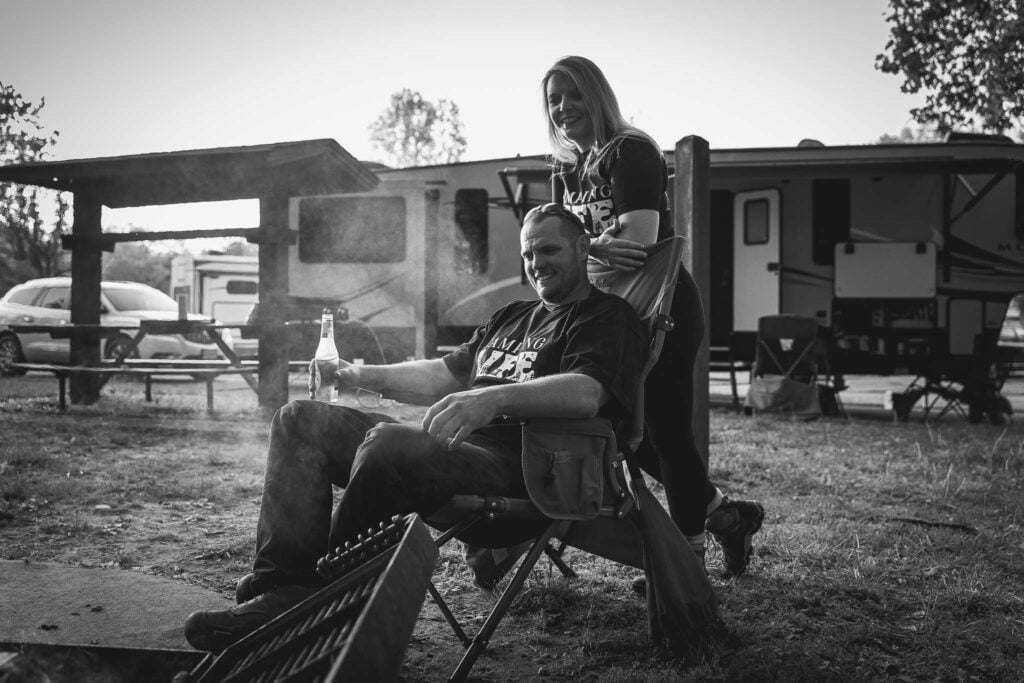
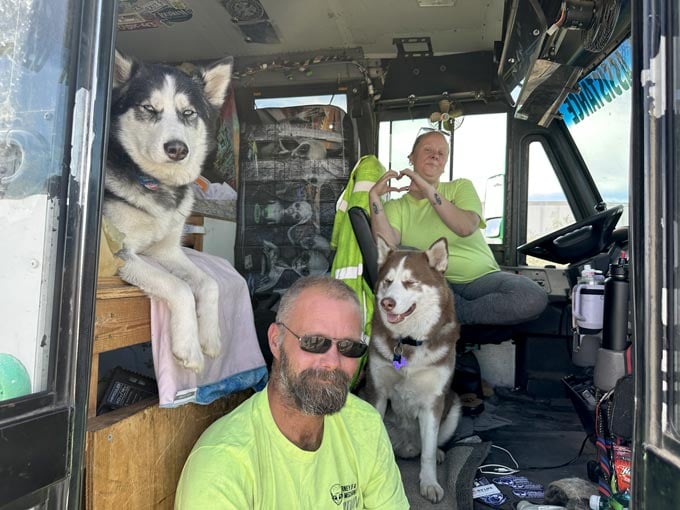
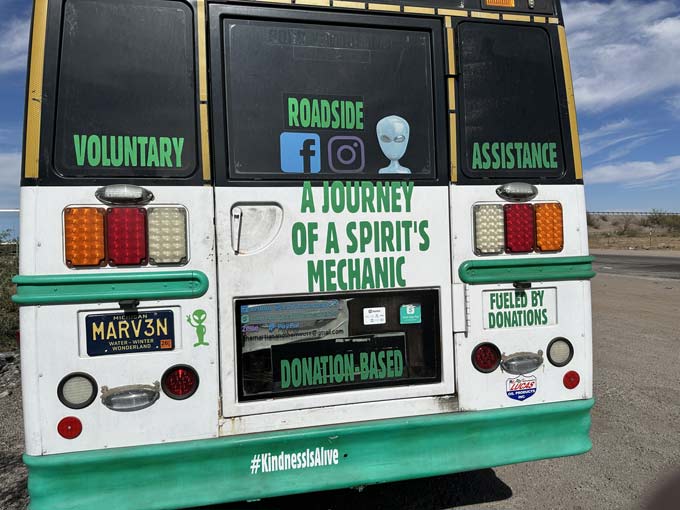
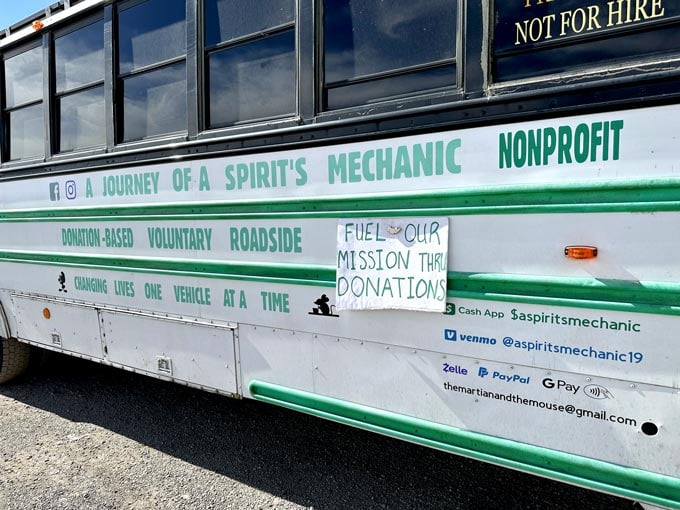
Next, Jim and Rene share one of the most memorable roadside encounters they’ve had on the road. After randomly spotting the same skoolie in two different states, they meet Martian and Mouse, the couple behind Journey of a Spirit’s Mechanic. This a nomadic nonprofit provides donation-based roadside assistance to stranded travelers. Their story reveals how a simple idea to help people on the side of the road turned into a seven-year journey of spreading kindness across the country, helping thousands of motorists while living a purpose-driven life on wheels.
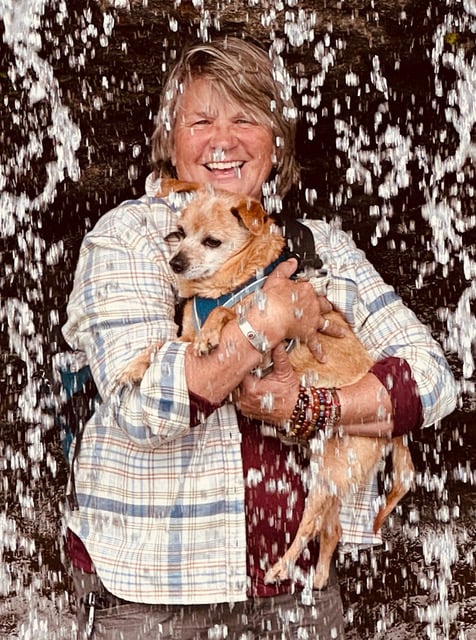
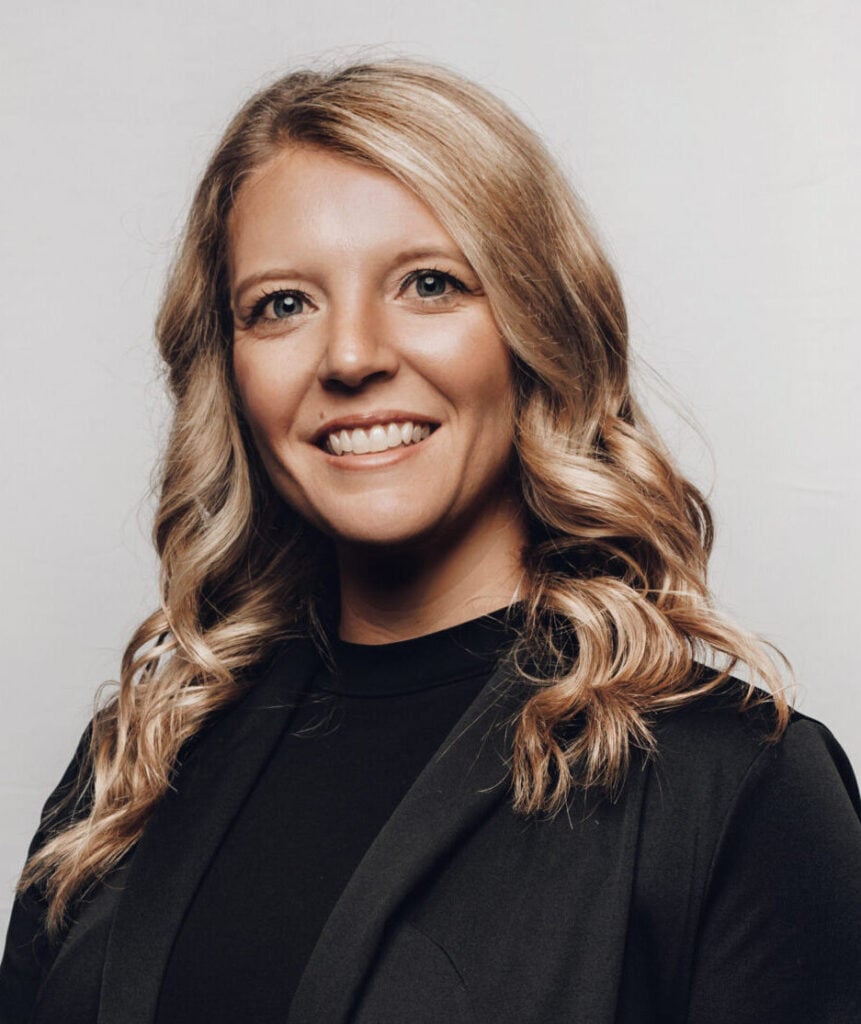
Rose and Glynn sit down with solo RV Entrepreneur Deb Dennis, who began RVing at age 62 while working remotely as a UX designer. She has since expanded into travel writing, photography, and new creative pursuits. Finally, Bob chats with Jessica Rider about the rapid growth of mobile RV service and how the RV Women’s Alliance training programs are helping more women gain technical knowledge, build careers, and shape the future of the RV industry. Together, these stories capture the adventure, generosity, and opportunity that define life on the road.
The Mother Road at 100, Roadside Kindness, and Women Reinventing RV Life
Top Reasons to Listen Now
- Celebrate Route 66’s 100th Anniversary: Learn why 2026 is a once-in-a-lifetime opportunity to travel the legendary “Mother Road” and how RVers can plan their own historic road trip.
- Meet the Angels of the Highway: Hear the inspiring story of a skoolie couple traveling the country providing donation-based roadside assistance and spreading kindness to stranded motorists.
- Start RVing at Any Age: Discover how Deb Dennis began RVing solo at 62, continued her remote career, and built new creative income streams through travel writing and photography.
- See How Women Are Changing the RV Industry: Find out how mobile RV service is growing and how RV Women’s Alliance programs are helping women gain technical skills and leadership roles.
RESOURCES MENTIONED
- Route 66 Centennial
- Journey of a Spirit’s Mechanic
- Deb Dennis
- Jessica Rider
Be A Guest or Share Your Story!
https://podcast.rvlife.com/contact
Listen to the RV LIFE Podcast Episode #156
Listen and subscribe to The RV LIFE Podcast on Spotify or in your favorite podcast app. Or, read the full episode transcript below. Leave a comment, or contact us with any questions or feedback.
Connect & Learn More
- https://podcast.rvlife.com/about
- https://facebook.com/rvlifepodcast/
- https://instagram.com/rvlifepodcast/
- https://www.facebook.com/groups/rvlifemovement
Got a great story or tips to share with listeners? Leave us a voice message!
(NOTE: Audio submitted may be published on the podcast unless specifically requested otherwise.)
FULL TRANSCRIPT: RV LIFE 156
The Mother Road at 100, Roadside Kindness, and Women Reinventing RV Life
ALAN: You’re in history, all you gotta do is pull over to the side of the road.
MOUSE: We have been dubbed the angels of the highway.
DEBORAH: I was more scared of not doing something I really wanted to do.
JESSICA: The mobile service is growing and it’s not going away anytime soon.
JIM: Welcome back to the RV life podcast where we bring you the travel inspiration, lifestyle stories, the entrepreneurial spirit, the RV industry updates that make life on the road a little smarter, simpler, and a lot more fun.
RENE: And oh boy, today’s episode is packed. We’ve got a once in a lifetime travel opportunity, a roadside kindness story that honestly restored my faith in humanity that day. We have a solo RV entrepreneur who proves it’s never too late to reinvent yourself, and we’ve got an industry conversation that highlights how women are changing the technical side of being in a big way.
JIM: You lost faith in humanity. Well, we won’t go there, but we are going on quite a road trip with this one, folks. First, we’ll get our kicks on route 66. That’s because 2026 marks the 100th anniversary of the Mother Road. If you’re not a Steinbeck fan. Stay tuned to hear why it’s called that, but I digress. John chats with Winninger from route 66 centennial.us for complete details. If route 66 or route 66 is even remotely on your bucket list, this is the year to get going.
RENE: And then in our lifestyle segment, you’re going to hear a story that gives me goosebumps. We met Marcin and Mouse, the founders of journey of a Spirit’s mechanic. This incredible couple is living the skoolie life while offering donation based roadside assistance. Yep, they help people in need and they don’t accept payment. Instead, they founded a non-profit basically spreading kindness on wheels. And here’s the crazy part. We ran into them completely by chance, twice in two different states. So when we saw them on International Kindness Day, we just had to stop and talk.
JIM: I tell you, there are no coincidences. Next for the RV entrepreneur profile, Rose and Glenn sit down with Deb Dennis, a solo rver who started RVing at 62 with no towing experience while working remotely as a UX designer. Now, she’s built multiple income streams through travel, writing and photography, and her message is simple don’t wait.
RENE: Finally, Bob gives us an industry update after catching up with Jessica Ryder, founder of pull Through sites mobile RV service and a board member with the RV Women’s Alliance, she’s helping lead an all female technical training program and a new build project called Chassis to Classy, turning a brand new trailer into a vision coach built by women.
JIM: So settle in folks. This trip will take you everywhere, from the nostalgia of route 66 to the future of RV service and training.
RENE: Let’s get into it.
JIM: Right. If you’ve ever said one of these days, we’re going to go do route 66. This is your year.
RENE: No, really, this is the 100th anniversary. And it means special events, new celebrations, and a ton of momentum across the whole route from Chicago to Santa Monica.
JIM: Did you know it’s called the Mother Road? Because it became the primary route that gave birth to so many long journeys west, especially during the Dust Bowl era?
RENE: Okay. And we’ve got a long show here, right?
JIM: Right. Here’s John and Weininger from route 66, Centennial, sharing what route 66 is, how to plan it, and what makes this centennial year different.
JOHN: Hey everybody, welcome once again to another segment of the RV life podcast. My name is John DiPietro. And you know, one of the things that we do here at the RV life podcast is let you know about interesting events for our RVers. And this is a very interesting year. In fact, it’s a once in a lifetime opportunity for most of us, unless we’ve been taking some kind of drugs that makes us live for 200 years. It’s a 100th anniversary of route 66, and joining me on this special broadcast is Weininger. I say it right, .
ALAN: You got it right.
JOHN: Okay, perfect. And is with the route 66 Centennial. And , welcome to the RV life podcast. It’s great to have you here.
ALAN: Thank you. Appreciate it, John. I’m very, very honored to be here. Thank you.
JOHN: You know, it’s an amazing opportunity this year because, you know, you hear about our RVers taking the route 66 trip as a bucket list trip, but during the 100th anniversary, there’s going to be a lot of new events that are taking place this year that haven’t been before. But before we get into specific events, , tell us a little bit about what route 66 is. Where does it start? Where does it end? And, how did it become famous?
ALAN: Yeah. So it was officially started on November 11th, 1926. The technically, it starts in Chicago, right and off near Michigan. It’s kind of it’s almost in the middle of downtown. And so it goes from Chicago all the way to Los Angeles. The old days, back in the 20s and 30s, it actually has multiple different ways that it used to run from what you get today. Like it’s been through Pasadena. The Rose Bowl parade actually drives down parts of old route 66. So there’s a lot of historical touches. They’ve had what they’ve done alignments, which means they’ve actually changed the roads. So when you’re in your RV and you’re looking at signs and it says route 66, that may not be the original one, but it’s it is route 66. But there’s so many offshoots that don’t, you know, that have dead ends and stuff like that, because we’re talking 100 years. So the roads have changed and then it ends. Technically, everybody says it ends in the Santa Monica Pier. And actually, it ends in front of Mel’s Diner.
ALAN: Yeah.
JOHN: So not just on TV. But the real Mel’s Diner.
ALAN: The Real Mel’s Diner. And I think it’s liberty, but the whole idea is that it’s on that’s the federal ending of it. And it’s no longer a federal highway. So this all eight states are responsible for upkeeping it and things like that. There’s some action to try to get it to become a parkway, a designated for the National Park Service. And those efforts haven’t finished yet. So they’re still working on it.
JOHN: Why did it become famous? Who, who were the first people that used it?
ALAN: It was I think. Well, you’re talking Dust Bowl. You’re talking people migrating from the east to the west and trying to find a better life. That’s a lot of it, of what it was for like originally back in 26 when it first opened. The only thing you had on it was basically Ford’s, the Model T’s and all that. That was that was the very first cars that ran up and down this thing. And so it became a lifeline and it became nostalgic as it got older in the 30s and 40s. And you had the, the small hotels and the diners and all that. So that was, you know, mom and pops and it was basically, you know, it’s, it’s also called America’s Mother Road. It’s, it’s, it’s, it’s the lifeblood of going from the east mid East to the west coast for people to search for a better life. That was the.
JOHN: You know, it’s, it’s funny. I’m sure there are young people here that are listening to this podcast and thinking, well, why didn’t they just take the interstate highways?
ALAN: It wasn’t there. When they built 40. They killed Route 66. So when they built 40, it bypassed route 66, which caused all the towns. Yep. And all the different places along the original 66 to go out of business because they just jumped on the highway and trucked on.
JOHN: And that’s the same thing. Even on in other states and Massachusetts, I 90, which is the longest interstate in the country from, from Provincetown, mass. Out to Oregon or West or not Wisconsin, Washington. That killed route 20 and in route six, which were all parallel roads.
ALAN: Yup, yup.
ALAN: And so, yeah, so that that basically did it in. And so that, you know, the, the Williams, Arizona was the last town to be bypassed officially.
JOHN: Okay.
JOHN: And that is where you jump on.
ALAN: I’m in Flagstaff, Arizona.
JOHN: Yup.
JOHN: So you jump on the train to go to the Grand Canyon.
ALAN: Yep. That’s right. That’s an awesome trip. I mean, there’s a lot of little things and that’s a big part of it too. We have Meteor Crater. Meteor crater is right off of route 66. So which is the, you know, the big crater? You know, we’re change the civil, you know, the world. So yeah, so there’s a lot of nuances and different things. There’s a lot of ruins, there’s a lot of ghost towns. And the idea is, is, is in your RV and you’re going down 66 and it’s getting close to the end of the day and you’re out in the middle of nowhere. It’s so easy just to pull over and camp and you’re in the middle of it. You’re, you’re in history. All you gotta do is pull over to the side of the road.
JOHN: Just like that.
JOHN: , Allen, give me a couple not can’t miss places. Places that if you’re going to do route 66, you absolutely, Positively have to stop at this location. Is that is that too much of a task to ask of you?
ALAN: Not it’s not because we literally could spend three hours just talking about that, because every locate every small old location that’s in the books and, and I suggest people get travel guides for route 66, go online. And then you map out your map out your trip, decide which significant place you want to go to. And there’s hundreds of them. There’s the blue whale, okay, there’s, there’s different, there’s the teepee motels and there’s the all the neon, you know, and then you gotta look at Springfield, Missouri is the original capital of, you know, because they got the telegram to assign the, the route number. So they claim that. But you also have Seligman, Arizona. And so you’ve got so much history and there’s so many places. Try to say word number one and all that. Every place is great and it’s just a matter of, you know, take it, take a dart, throw it at a map kind of thing, because every place you stop is going to be fantastic.
JOHN: If you were to go from one from Michigan Avenue, Chicago out to Mel’s Diner, how many miles would that be?
ALAN: Yeah.
ALAN: You’re stumbling. All depends on how much of the road you want to take and how much the original. Okay, so it could it could be longer or shorter. On average, I did 2448 miles on my trip.
JOHN: Okay.
ALAN: So and you could and then you’re going to you might ask, how long does it take? Well, you want to do it in a week.
ALAN: You’re not going to see anything, but you can do it really fast. Or you can be like the foreign tourists and the and people from Asia when they come over and they do the trip, on average, they spend about $150,000 and they take about a month and a half.
ALAN: So the yrent an RV and they go the whole shebang.
JOHN: Foreigners have more of a, an affection for it than people who grew up here.
ALAN: This leads into my awesome RV story.
JOHN: Go ahead.
ALAN: So I was at the gas station and I saw this RV and it had a European tag on it from the Netherlands. And I was like, oh, that’s weird. How did that, you know, RV? I guess they brought it over years ago. No, I spoke to the couple, asked them what they were doing. Of course, they were doing route 66. They literally took their RV, put it in a container on a ship, sent it from the Netherlands over to Canada, got it to Canada, took it all the way up to near Chicago at the border and drove it across the border all the way to LA and back . Put it back in the container and brought it back to the Netherlands.
JOHN: Shipped it back.
ALAN: For the pure fact that they wanted their art, their own personal RV, to make the trip and make history. They were that dedicated to it. It was amazing story. I couldn’t believe it. I was like, you’re kidding me. And then I come to find out that’s actually done quite a few times. It’s not just that wasn’t just a one off. And they do it all every year. People are that dedicated.
JOHN: You know, there are people that depending upon their vacation schedule, etc., can’t go the whole route, but certainly it’s possible to take certain segments of it and spend more time within that.
ALAN: Yeah, you can do Amarillo and take a western chunk. So you start, let’s say start in Amarillo, where you make that big turn coming down from the north to getting on 40 and heading west. It’s a totally different experience. If you were to take the Amarillo stop and go north to where you’re going towards Chicago, a completely different experience. So it just depends on what you want to do.
JOHN: I would venture to say that with my prior RV driving around Chicago, that being downtown on Michigan Avenue would be the last place in America that I would want to be with an RV. So I can say, you know what? I’ll get? I’ll take the route up into Illinois and then round it off to say I went to Chicago. But there are certain cities that, you know, you don’t want to take an RV to Chicago by any means.
ALAN: Well, you also gotta gotta remember, you’re going to go through some big towns. You’re going to go through Saint Louis. Yeah. Okay. You’re going to go through Albuquerque. Okay. Which isn’t too bad. Amarillo. And so Tulsa and Oklahoma City. Oh my God, I, I, I get it, I get ripped if I didn’t forget to mention those guys. So Oklahoma’s the longest stretch statewide, the longest stretch of continuous route 66 original from the 1920s is actually between Kingman and Seligman in Arizona.
JOHN: Arizona. Yeah.
ALAN: It’s the original small, historic historical. This is it. Yeah. So it depends on what you want to do, how you want to carve it out. Route 66 is a kind of an RV trip that you can do it 3 or 4 times during the year and just do bits and pieces and then add it all together.
JOHN: All together.
ALAN: Yeah. Every time it’s going to be different. Every time it’s going to be, you know, exploring and making memories that you, you, you won’t get anywhere else.
JOHN: And I would venture to say on that on the web, you can Google route 66 Centennial and there are lots of different websites that hundreds.
ALAN: Right. Mine personally is route 66 centennial.us. And then when you get on my website, you can click on the Facebook and I post a lot on my the route 66 Centennial Facebook page. All the current stuff. There’s now the, the commission and others are out there. They’ve developed sites, there’s a lot of groups that are creating their own calendars. There’s a lot of people doing a lot of different things for the centennial. So how.
JOHN: About the kick off date when.
ALAN: It’s on a few things and that’s all I’m doing.
JOHN: Is there such a thing as a kick off date for when the first activity is going to start taking place?
ALAN: We just had it. The this actually happening as we’re talking is that people can look it up. It’s called the drive home. It started it’s to the Detroit auto show. Okay. So they left. So they left California. They came through here the other day. They stopped at Lowell Observatory, which is our big famous part of route 66. That is a must stop. It’s in the time top 100 in the world, so you gotta stop there. But anyways, and they’re currently in Texas, headed to Oklahoma today. And so, and then when they get to Chicago, they’re going to head to Detroit and they’re actually going to put the, I think it’s 8 or 9 historical cars are going in the Detroit auto show for the for the duration of the. Perfect. So there’s a lot going on. So we’re doing it now. It’s going to go all year probably through to November. I’m going to be working on some racing things. I’ve got a couple other special things that I’m focused on that people can check out on my, on my Facebook and my page, but there’s, there’s plenty to do. Great. You’re not going to be perfect.
JOHN: Well, you know, for a once in a lifetime opportunity, this year we’ve got route 66, we’ve got World Cup, we’ve got America 250, all these things taking place all at the same time. So our viewers need to plan their route. And, you know, there’s.
ALAN: One more thing real quick. There’s one big one. It’s the 20th anniversary of cars. Disney Pixar. Disney movie. Yep. And that is route 66 focused. So yeah, it’s, you know, you can take the kids and, and map out the stops on route 66 that that connect to the movie cars. There you go. You can. So you can create a trip for the kids.
JOHN: I’m trying to think of Rascal Flatts. They were the they were the group that sang a lot.
ALAN: Life is a highway. My life is a highway. The highway.
JOHN: So life is a highway. And route 66 is a highway. And we want to thank Allen Winegar for joining us here today on the RV life podcast. Have fun everybody. We’ll see you along the road on route 66.
RENE: Route or route, however you say it. I love how Allen explained that route 66 isn’t just one straight perfect line. You drive once and check off a list. It’s one of those trips you can take in sections or even revisit over time, and every stretch has its own personality.
JIM: And I’m glad he said it out loud. If you try to do it too fast, you won’t see anything. So slow down, people. The road is built for stopping, exploring and letting the trip unfold. Like Steinbeck said, we do not take a trip. A trip takes us.
RENE: Oh my gosh, enough already. Speaking of unexpected moments on the road, the next story just feels so unreal to me.
JIM: This is one of those only in RV life events.
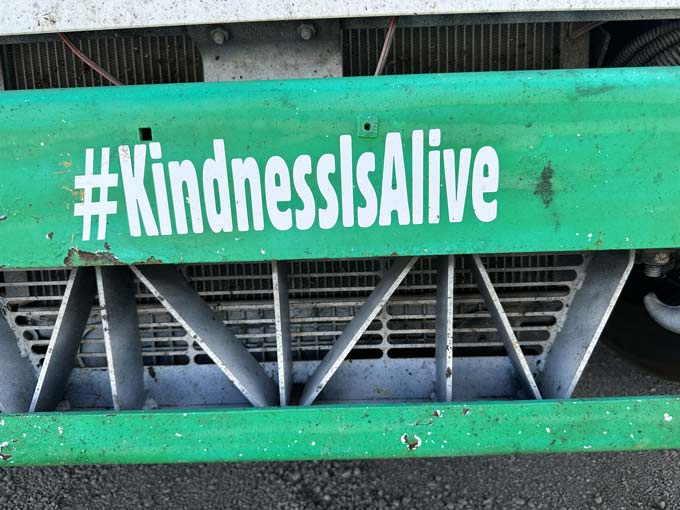
RENE: So a while back, Jim and I passed this cool old green and white skoolie traveling north on I-25 in Colorado, right north of Denver. I snapped some pictures to see what all the stickers said and one of them read Kindness is Alive. Then months later, we saw the same bus parked near a truck stop in Arizona and it was on International Kindness Day.
JIM: So we just had to stop.
RENE: We did. We couldn’t resist. Jim stayed in the truck to take care of our dog, Nelly, while I went over and met Marshawn and Mouse, the founders of journey of a spirits mechanic. There are donation based roadside assistance non-profit and what they do out there is pure kindness.
JIM: I think this was our first impromptu roadside conversation. Check it out.
MOUSE: Okay, this is Renee for the RV life podcast. And today we are talking to.
MARTIAN: A journey of a spirits mechanic non-profit.
MOUSE: And your name.
MARTIAN: Is Martian and my wife’s name.
MOUSE: Martian and Mouse. It’s so nice to meet you. We have seen you on Interstate 25, and I can’t believe that today on World Kindness Day, we ran into you here right outside of Lordsburg, Arizona. It’s amazing. And I really like our audience to get to know you too, because you are doing incredible kindness out there on the roads where sometimes things aren’t very kind at all. Martian, can you tell me a little bit about why you guys started to do this.
RENE: Roadside assistance and how what’s your origin story is basically what I want to know. When did this begin? What year?
MARTIAN: About seven years ago. We decided that we would take a 2003 Ford Escape and take a couple of trips across the country to see how many people were on the side of the road that could use help. We thought it would be a lot of tire changes and a lot of out of gas, which it is. Those, I mean, those are still top, top ones. But we also found out that a lot of people were able to purchase parts if given a ride. So we expanded and basically started telling people that if you have money to buy the parts, we’ll take you to get them and come back and put them on for you without expecting anything.
RENE: Oh. What made you decide to do this?
MARTIAN: Mouse had the same job for eight years and I had hitchhiked for 16 prior to this, and I went to my brother’s house to see them before I decided to take a long trip. And mouse happened to be at my brother’s house and what was supposed to be a 2 or 3 day trip to my brother’s turned into at least a couple of months because his wife asked me to paint her Jeep for her birthday, because I know how to do Auto Body too. She convinced me to stay. I painted her jeep well while painting her jeep. Me and Mo started to talk and hit it off. Instead of taking her hitchhiking, we decided to see if this would work.
RENE: Mouse, when you both came up with this idea, what did you think? Did you get support from people? How did they respond? How did your friends and family respond to what you wanted to do? So this would never work, that this concept would never take off. And we, you know, proceeded on because we’ve seen how many people that needed help thermostats, radiators, hoses. And we knew that if we were consistent and persistent, this would work. And seven years later, here you are right here. Here we are in a full size school bus. Wow. I think you proved everybody wrong. And what you’re doing is incredible. How do people respond when you show up and offer your services for nothing? Okay, so we have been dubbed the angels of the highway, so a lot of people are praying for someone to show up, hope someone will show up, and we are that answer. What are some examples of situations that you’ve encountered where you thought maybe it was hopeless? Or do you ever feel like that when you see something really difficult, a difficult repair, difficult situation? It always hits home when we’re first on scene because we never know what we’re walking into. And we’ve been first on scene a few times where the car’s been flipped and he used to be a volunteer first responder, right? So he runs towards danger.
RENE: And I always get emotional about it because we just never know. So I think those are probably the hardest ones. Something keeps calling you back though. What is it about being in those difficult situations to know that the person’s okay? There’s been times where, you know, just stopping and making sure the person’s okay and waiting for other first responders or, you know, whatever heavy the ambulance who actually it was Santa Fe, I think it was Santa Fe a couple weeks ago where an elderly lady, elderly lady, we were on the other side of the mountain when we saw the cloud of dust, and we were like, well, what was that? Oh, obviously we keep driving and see that the lady had flipped her car, and it was kind of surreal because it was near a reservation. So like, everybody stopped the interstate on that side. They like just stopped their cars right in the lane. And he ran across the median to make sure that she was okay, and then started to direct traffic because people are trying to get through. But there’s also people trying to, you know, protect the lady. And I think it was the first responders that took her, pulled her out of the car because she was still in it. Wow. It’s almost like you’re put in the right place at the right time.
MARTIAN: We tell that to everybody. We’re always where we’re supposed to be. It’s the easiest way to put it.
RENE: Why did you decide to form a non-profit and what is the nonprofit’s goal?
MARTIAN: So we fought with that for several years. On whether or not to actually form as an entity, because for the longest time, we always said that we didn’t want people to donate for the wrong reasons because our lifestyle is based on intention. And if people were only wanting to donate because it was a tax write off to us, that was the wrong intention. But after we lost two opportunities with battery companies because they said that they couldn’t work with us because we weren’t an entity or a charity, we decided, okay, maybe it’s maybe it’s time. And not only that, like times like this where it’s harder than other days to do what we do. By becoming a non-profit, tax exempt charity, we’re going to be it will open avenues of state and federal grants for worth to help fund us to be able to continue to do this. And people ask me, well, do you plan on expanding and having more people under you? I don’t think I will ever be able to have a day that happens. And people ask me why I have me and her both have had a couple that we had considered over the years, and within a matter of six months showed us why we are the only ones that do what we do under our name, because too many people, if they’re in a hard spot themselves, it’s too easy to put a value or a price. And like I said before, if somebody asked me, what is this worth? I don’t care if it’s a air compressor on a semi on the side of the road, if it’s a radiator in a semi, I don’t care what it is. I will call you, tell you to call a shop and ask them what they’re going to charge, because I will never put a price or value to what we do. We offer kindness, not a service. And to me that’s a difference.
RENE: Love that, I love that. Is there a limit to the type of repairs you’ll assist with on the side of the road?
MARTIAN: Yes and no. That’s more situationally based. There’s some things I’m just not physically able to do, like change semi tires on the side of the road. If they have a rim and tire, I can swap them out, but I can’t actually change the rubber out on the side of the road. Any kind of internals on the engine? There’s nothing I can do. We would like to get a scanner system scanner program to be able to read semi computers, but that’s another thing. At the moment we’re not able to. If it’s computer related issues, they have to call somebody else. There’s nothing we can do.
RENE: But you could do it if you had a scanner.
MARTIAN: Yeah, if we had the program. I was looking online recently because we had a follower donate a new laptop for us that would be capable of running the program and the adapter, but just for the program and the adapters, about $3,500. So and there’s other things at the moment that we we need more than that, like kingpins.
RENE: So do you have a wish list somewhere?
MARTIAN: We do have a wish list on Amazon. And then we also, I believe there’s a post on our page about our kingpins needing to be replaced. And then before that is our spring bushings because they both need to be replaced. But it’s getting to the point that the kingpins are becoming more important than the spring bushings.
RENE: Yeah. Now, if somebody wanted to donate, go see that wish list. Where would they go?
MARTIAN: They could go to a journey of a spirits mechanic Facebook page on Facebook, and I’m pretty sure it’s pinned at the top. We have PayPal, Zelle, Venmo, cash app for all the platforms to donate people.
RENE: Would you say that? Can you can you estimate how many people you’ve helped over the years?
MARTIAN: Thousands.
RENE: Really?
MARTIAN: At least a couple of thousand over the last seven years.
RENE: Where are you generally.
MARTIAN: During the winter below the 70 and during the summer above the 70?
RENE: I like that. I like.
MARTIAN: That. We do tend to stay out west more. We find more people to help west of the Mississippi than we do east of the Mississippi. We chalk that up to one. There’s an exit every quarter mile instead of every 40 miles out east. They have a lot more states with vehicle inspections and emissions inspections, so they don’t break down as often. That makes sense. And again, most of them, if they’re having an issue, can make it to an exit and to a parking lot somewhere. And while we would never find them.
RENE: That makes a lot of sense. There’s some long empty stretches, especially what we’re about to drive into. We’re headed to Tucson, and there’s long stretches of nothing from here to there.
MARTIAN: Yep, just came from that.
RENE: Wow. How many miles would you say you guys drive a year.
MARTIAN: For a year? I don’t know.
RENE: In seven years?
MARTIAN: Yeah, a little over a third of a million miles in seven years. I can tell you, in the last two months, we’ve done right around 10,000 miles in 13 states.
RENE: Well, I believe it, because when we saw you, we were up in near Fort Collins. And quite a ways from there right now. I am so happy that we got to meet you guys, and I can’t thank you enough for taking the time to stop and talk to us and but really to do what you do, it’s restores my faith in humanity to know that there are people doing this kind of thing. They just they don’t get the glory. They don’t do it for glory. But you guys sure deserve it. And I hope that lots and lots of people listen to this interview.
MARTIAN: Hopefully it inspires many. And we’re not the only ones. We have met others. There’s a guy in Denver, actually, he’s a full time security guard, and he took his little four door sedan and put yellow and white emergency lights all over it. And on his days off, he literally runs around Denver just helping stranded motorists and refuses to take donations. Really, he will not take them. And like I explained to him when we met him, the only reason we accept the donations is because that’s the only way we continue this. We. One day we’ll get to the point where we can not have to take donations. But that’s how we’re able to do this, is we spread kindness through kindness.
JIM: I don’t care how long you’ve been traveling, that kind of story really hits you right in the heart.
RENE: It really does. They’re not selling anything. They’re offering kindness and the way they described it as being we’re right where we’re supposed to be and showing up when someone is praying for help, it’s hard not to feel something after listening to that.
JIM: Well, they were right where they were supposed to be for this interview, for sure. And I’ll just say this if you’ve ever been stranded or you’ve seen someone stranded, you know how big a deal it is when somebody stops. There was that time we stopped to help a camper change his tire on the Alaska Highway.
RENE: Whoa, Jim, this isn’t about us. Stop. So I want everybody to go learn more about Martian and Mouse. And remember, they are donations based, so feel free to check out their Linktree in the show notes and chip in something if you’re moved by their story.
JIM: Alright, shifting gears here into the RV entrepreneur, we’ve got a guest who brings a totally different kind of inspiration.
RENE: Deb Dennis started RVing solo at age 62. She had no towing experience and she did it while working remotely. What I really love is how honest she is about fear, and how she basically decided that the bigger fear was not going to win.
JIM: Rose and Glynn talked with Deb about remote work on the road, building multiple income streams, and why you don’t wait for someday.
RENE: Here’s Rose and Glen with Deborah Dennis.
ROSE: Hello, Deb, welcome to the RV entrepreneur segment of the RV life podcast. We are so excited to have you on today.
DEBORAH: Thanks. I’m very excited to be here.
ROSE: Deb, you are a solo rver who started carving at the age of 62 with no prior experience. And you took your remote work with you on the road, which I think is pretty remarkable. Your story really challenges a lot of the assumptions about who, RV life and remote work are four. So for listeners who are just meeting you, please share a quick snapshot of who you are today and how RV life fits into your work.
DEBORAH: Yes. Well, thank you for that. I have been a UX designer for all my career in Silicon Valley in Northern California. And for the last ten years, I worked remotely just from my house and decided during the pandemic of all times to go on the road with an RV and take my work with me because it didn’t matter where I was. As a matter of fact, I never really told anybody where I was. Just to keep things kind of simple. So today I’m still RVing, but part time and I do some UX work, but I’m transitioning into other things and fun stuff. And yeah, I’m sure we can get into that.
GLYNN: Yes. Looking at starting RV life solo at 62. You make the statement in one of your articles that I read that’s, I quote, I’m an introvert. Solo travel doesn’t mean isolation for me. It means intentional connection. So since you dove into the intentional connection the RV lifestyle encourages later in life, what were your biggest fears going in?
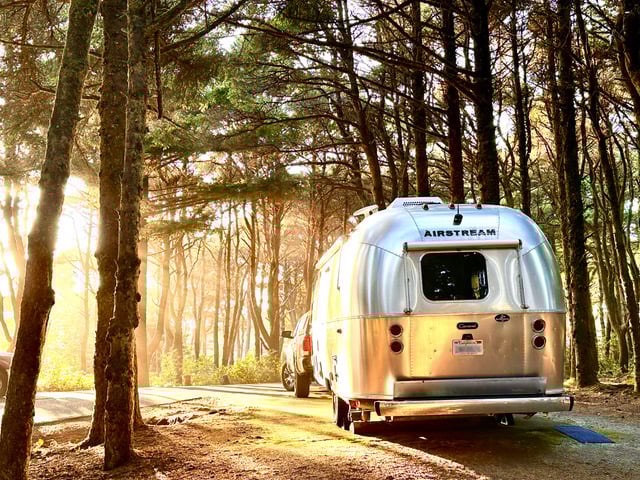
DEBORAH: Well, my biggest fears were going in since I’d never towed anything before. I was terrified of, you know, towing something. I just bought an Airstream and I never towed a travel trailer. So being by myself, I see lots of people get help and all that kind of stuff. I had to back up and learn all that, and I learned it through experience. Also, videos asking people at parks and just lots of time on the road. I mean, it’s kind of one of those things you have to learn, but I think my other fear was not going. I’d always wanted to travel in an RV. I’ve traveled all around the world in different places, backpacks and teams and all kinds of stuff. But I just wanted to go cross country in an RV. And so I just decided to buy one. And people were like, aren’t you scared? And I was like, I was just more scared of not going. I was more scared of not doing something I really wanted to do. And I tell people that all the time, just go do it.
GLYNN: That’s deep. That’s really deep. Okay. I too was scared out of my mind. I had never backed up a trailer. But I love what you’re saying about, you know, scared of not doing it because we felt the same way.
ROSE: Oh we did. Yeah. You just don’t want to have that regret, you know? You want to live life now.
DEBORAH: Yeah. And, and I, and I know women get very scared of doing stuff like that because I met many of them at the parks. They’re all like, who are you traveling with? And I said, my dogs, you know, and a lot of them are like, I’d love to do that. I want to leave the husband behind. And so there’s clubs for that, right? And a lot of women are doing that in different clubs. And I think that’s great, and I hope I inspire people by that because maybe I’m a bit more, you know, savvy and fearless than some of them. Right? And so a club I think is a really great place to start.
ROSE: Yeah. There are a lot of clubs out there. I did interview some, the sister corps that was a neat one where they go out and they help rebuild communities and that kind of stuff. That was kind of neat. But then there’s just more other clubs just for solo female RV. So definitely looking to just meet up.
DEBORAH: Right? You can just meet up with people, and then feel like you have kind of a community.
ROSE: Right? So going back to a little bit about your work, you initially took your UX and product design work on the road because as you stated in one of your articles, RV life didn’t interrupt your career, it supported it. And over time, now you’ve expanded into other income streams. How did that evolution happen?
DEBORAH: Well, the tech world has gone crazy, as you can tell, right? A lot of people got laid off a couple years ago, and so that just made an overflow into the freelance world, which is where I live. Right? And so, rates went down, people flooded the market and, you know, there wasn’t a lot of work. So I had to pivot. I had to figure out what else to do. And luckily I’d always had my blog going. I’ve done a lot of photography and then I just started doing travel writing and I got published. And I really enjoy that because I love telling stories. You know, that’s kind of what my blog is about as well. I do first person experiential stories about where I am, like meeting people at campsites or going to different places and interviewing people that are doing these things. And that’s what a lot of travel sites don’t really do. They say, oh, go here, go there, go there. But you know, what is it? I call it boots on the ground. It’s like you’re. I’m there. I’m experiencing it. And I can tell you what it’s like.
GLYNN: Real life. Yeah. Boots on the ground, I love that. So you had to diversify. You had to create multiple income streams. I know that’s sort of an obvious statement, but why was that important to you?
DEBORAH: Well, I just like to keep busy, and I just wanted to keep an income stream going as well. And I like to be creative and I feel like the travel writing and the photography is a very creative and I wanted to see if I can sell my work, right. Be published. And that was kind of important to me. And so I always have goals for myself. I think it just keeps me going. It keeps, you know, my brain working. And yeah, I enjoy it too.
ROSE: Were there any challenges you faced with going different ways, different income streams, or did it just all click, you know, easy.
DEBORAH: Oh, gosh. No. I think it’s really hard. Yeah. No, I think it’s really hard for people. I mean, it’s hard for me. When I didn’t get a lot of UX work, I kept beating the bushes, you know, trying to get work, and I just didn’t. And finally I was like, I think, I think we’re done. I think tech and I are done. And it’s a hard it was a hard thing to take. I was like, oh, they tell you to accept things. And I resisted for a while. And it’s slow getting new income streams, right? It’s not as lucrative. Certainly. And so that was difficult, but I traded that being lucrative for it being so much more enjoyable. Right? I just, I love it everywhere I go, I’m looking for travel stories and talking to people and it’s like photography for me. When I was a more of a full time photographer, I would go out and it made me talk to people because I’d asked permission to do photography of them and hear their stories. And I do the same thing with travel writing. And so I combine both of them now and it just, it gets my introverted side out. I mean, some people, when I’m out doing my stuff, they’re like, you’re not an introvert, but I definitely need breaks from it. All right. That’s what an introvert really is.
GLYNN: Yes, yes. You’re, you’re, you can function in society just fine, but it doesn’t energize you. It just drains your battery. So you got to go home and curl up in a ball and sort of recharge. Right?
DEBORAH: Exactly.
ROSE: So what did your day to day, your work life look like on the road? Wifi, client expectations, even protecting your time? How did you manage all that?
DEBORAH: Yeah, that was really hard. When I went cross country for six months, it was really hard. It was just me and the dogs and I didn’t know what to expect. So I’m navigating, I’m driving. I’m trying to find the next campsite. I was nervous about where to go. So I’m always planning ahead and then I’m like, oh my God, I got to stop somewhere. I got to make sure I have Wi-Fi. I got a meeting at, you know, whatever. And I got to do work and then I got to get somewhere else and yeah, no, the logistics were straining me. And so I took breaks. I stopped at friends places, people met me on the road, and we would just take time in Yellowstone or the Grand Tetons. And I have to say it was definitely challenging it. If you have two people, you know, it’s easier, right? So we can drive some, we can navigate. I didn’t have any of that. The dogs weren’t into navigating. They were just into stopping.
ROSE: That’s right. You have dogs? Two dogs.
DEBORAH: Yeah. Well, my one little dog passed away, but I have one left. But at the time when I was traveling. Yeah. Thank you. Oh.
ROSE: That’s hard on the road, too. Oh.
DEBORAH: He didn’t pass away on the road, but. Oh, okay. Yeah, yeah. After the trip? Yeah. No, he he was with me for 15 years, so. Oh, yeah. Yeah. But it was great with the dogs that are a great conversation piece. You know, everybody’s got dogs. And when you’re RVing. So everybody’s very sympathetic to the situation. And yeah, it was great.
GLYNN: Yeah. They opened the door for communication between others. Just that one thing to focus on is just like pulling up with a motorcycle and seeing someone else in a motorcycle. You start, the conversation begins and. And then one thing leads to the next. And you’ve got friends on the road.
DEBORAH: Yeah. Very cool. Yeah. And I have to say, you know, people would ask me, aren’t you scared? Aren’t you worried about your safety? And I was like, no, actually. And I, and I say that because I think it gets overblown, right? I think the media overblows things that gets people scared. And when I was on the road, I have to say your our viewers, everyone is so nice. Everyone wants to be so helpful. Everyone would come up to me and there they’d see I was alone with the dogs, whatever, you know, they’d invite me over to their campsite. I mean, conversations would start. They’d tell me what trails to go on, whatever. And it was it was really wonderful, actually. I didn’t have any problems at all.
GLYNN: Deb, you nailed it. And I would like to go on record saying again that two and a half years bouncing around this country, we found nothing but good people everywhere.
DEBORAH: Yeah, yeah.
ROSE: There’s a lot of people.
DEBORAH: Forget all those other things that are out in the news. Who’s what, who cares about this or that? It doesn’t matter. You’re on the road, you’re trying to live. Everybody’s trying to just live their life. It doesn’t matter what they’re doing. It just, you know, we’re all doing the same thing. We’re all just showing up and trying to get through the day and have a good time and maybe laugh and, and just explore. And I think that’s what I love about being, you know, going off into wild, distant places and just seeing how beautiful this country is. I’ve been all around the world and I just I love just going around the US now. It’s just fabulous. There’s so much to see, too. I’m I’m very excited about Canada this year. I’m going up to Canada.
ROSE: Oh how exciting.
GLYNN: It’s wonderful.
DEBORAH: Yeah. Yeah.
GLYNN: You’ve got multiple income streams. And I’m trying in my head to bullet what each one of your income streams is. I know as I was going through some of your content, you’ve got photography, you’ve got travel writing. I know there’s some affiliate links on there.
DEBORAH: And yes.
GLYNN: Properly placed affiliate links are extremely helpful to bloggers or anyone who is a creator. So thank you. Anyone who clicks on those. What do your revenue streams look like? And I’m not talking about, you know, how much money you’re making. I’m talking about, you know, what is each one?
DEBORAH: Yeah. I would say my photography and travel writing are the biggest right now. I put aside the blogging for a bit though. The blog is a constant thing, right? I don’t have sponsors yet. Things like that. But I do have a lot of affiliates that I’m working on. But as you know, it takes so much time and energy that if I’m out traveling and doing my travel writing, the blogging kind of takes a back seat at this point, but, you know, it’s cyclical, I think. I’ll certainly get back to that at some point.
GLYNN: Well, there’s always something on your mind that you’ve got to put down on paper that you might not be getting out of your head with travel writing that just feels good to, to get it out on a blog. And I do want to say for the listeners, you are an exceptional writer, so it’s a real pleasure to read your work.
ROSE: It really is.
DEBORAH: Oh, well thank you. Now I’m going to have to do more blog articles.
GLYNN: Sorry I opened that door.
DEBORAH: Yes you did, you did.
GLYNN: Sort of. Going back to the tech industry when it slowed, you didn’t wait for things to go back to normal. And to quote you, and I love this. Nothing you learned was wasted. You just placed your skills in a new container. That is such a great statement. So what helped you recognize it was time to pivot? And I know the obvious answer is the whole system was changing so fast. But reiterate if you can.
DEBORAH: Well, I was changing too. You know, as I got older, I was just like, why am I doing this anymore? I don’t want to be in tech. When I first started in tech at Apple, I loved it. I loved the whole industry. And the industry has changed a lot and I don’t really like it anymore. So I didn’t want to be part of it anymore. And I thought, okay, this is this is the time. You know, I’ve got to figure out my money and, and changing that and making sure I can, you know, support myself. But at the same time, I was like, okay, I’ll just cut my income and do something I really enjoy. So it was more that it was a deeper longing to do what I’ve been wanting to do. I tried to be a travel writer for many years and then even years ago, it was really difficult and it was a hard industry. And I loved photography so much. And then when I started trying to make money at it, it was really I didn’t like it as much. And they say that, you know, being a creative person, it’s, it’s hard to make money at what you love and you should just do what you love, right? Without having that monetary component, if you can. And so I think I have a little bit of both in that, you know, so I like that I can put my photography on my blog and give it away to friends. And have my Instagram posts and, you know, share it with people. I love to share stuff with people.
ROSE: How did you break into the travel writing and who are you writing for, that kind of thing?
DEBORAH: Yeah. Interesting. I, you know, and I didn’t have any experience, but I just kind of jump into things. And so I just pitched one of these online travel places. It’s called Only in Your State, and it’s a big web based site. And months went by and I had pitched them that I was going to go to Yosemite, Tuolumne Meadows in Yosemite. They had just done a $20 million revamp of the campground there, and I said, I’m going to go there. I want to write about it. And like literally three months later, at the end of the summer, just last summer, they wrote me and said, yeah, go do it. I was like, what? So I literally got there on the last day of September that they were open. You know, it started to rain, it was getting cold, but it was really fun. I met these backpackers who just came off the John Muir Trail. I met the ranger on the horseback, I met the I met the bear guy. And so I wrote this article and they freaking loved it. And so both the editors were like, we want more. And so that just kind of launched me.
GLYNN: Yeah. That’s fantastic.
ROSE: Okay, that just proves. Just go for it. Reach out to these companies, people, places and offer your services. And you have a great portfolio online with your blog. So that backed you up, I’m sure.
DEBORAH: Exactly. And they just, they, you know, they can try you or not. I mean, I had no idea and like I said, it took me months. So but I’m persistent and I’ve had that throughout my whole career. That’s how I got into UX and all that. I didn’t know anything about computers when Apple Computer hired me. Seriously, I started way back in the day saying, I’m just going to just, you know, it’s other skills. They want other skills too. They want that grit and persistence and all that kind of stuff. And that’s helped me a lot in my career.
GLYNN: Entrepreneurial tenacity.
DEBORAH: Yes, yes it is. They’re looking for that. Yeah. Being proactive, making your own choices, doing things that other people maybe won’t do. You just decide to go do that.
GLYNN: There’s the best advice for anyone who wants to be an entrepreneur.
ROSE: Yeah, every life definitely gives us some space and maybe some clarity to kind of lean into some things. How did RV life help you lean in more to storytelling, writing, and photography?
DEBORAH: Oh my God, I think there’s so many great stories of people. I mean, listening to you guys and other podcasts and just just being on the trail and hearing people’s stories, you just, you just want to share them with people. At least I do. And so yeah, I think that’s just amazing because there’s like all kinds of different people out there, right there. One of my good friends that I travel with sometimes she has a van, right? And so she’s the van and I’m the Airstream. And, you know, there’s just young people out there all the time and there’s older people out there and it’s just, it’s just a whole big, huge, wide community that everybody has a very unique story. Right? And I, I just love that energy about it. I mean, it feels like a big community when you say you’re an RV or everybody’s like, what do you have? Where are you going? Everybody asks me all the time for places to go. And I love that because now I have tons of places that I tell people to go. I mean, literally people will just text me, they’ll see a post I do on Instagram. They’ll be like, hey, I want to go here. What do you recommend? It’s just like kind of a mini travel agency. Maybe I could do that next.
GLYNN: Yeah, there you go.
ROSE: Idea.
GLYNN: I was I was going to ask you, you know, for someone navigating change or uncertainty right now, what encouragement would you offer? But I think your encouragement would be the fear of not doing it. Would you say that’s correct?
DEBORAH: Oh, totally. I mean, and now like people say, well, I got to do this, you know, my kids are this or I got to go here or whatever. I’m like, no, no, no, no, you’ll just put it off. I’ve seen that so much. And I’m like, go now. Doesn’t matter. It doesn’t matter what you know. I didn’t know anything. Just go.
GLYNN: Yeah. I really don’t like the the phrase someday.
ROSE: Yeah. Or wait until you’re ready. Or wait until everything’s in order.
GLYNN: It will never be an order.
ROSE: No. It’s like waiting to have kids for the right time, you know?
DEBORAH: Yeah. They say that about entrepreneurial entrepreneurial ism, right, too. Yeah. Someday is not a time. It’s not a time frame. And you need time frames. You need to put make a list. Doesn’t matter. Check it off. Start doing little things to get you there. And that’s what I did.
ROSE: Awesome. Oh, I love this RV life community. I love this podcast. We get to share all these great stories as you say. And as we wrap up here, Deb, where can listeners connect with you and follow along with you?
DEBORAH: Everything’s on travels with wally.com. So you can find me there and, you know, connect to my Instagram and stuff and my articles, my travel articles. So yeah, I try and keep that all up to date. And I have to say, you guys are fantastic. I love listening to your blog and I learned so much and I hope this helps people as well. Great.
ROSE: Thank you.
GLYNN: Very much. That means a lot.
ROSE: Yeah it does. So we definitely want to thank you for coming on today, taking the time. We appreciate it and we hope to hear more from you.
GLYNN: Thank you Deb.
DEBORAH: Great. Thank you.
JIM: That conversation is such a reminder that reinvention doesn’t require permission. And it reminds me of that someday syndrome so many people have.
RENE: I love her line about solo travel, not meaning isolation, but how it means intentional connection. That’s exactly what a lot of people discover once they actually get out there.
JIM: Also, for anyone trying to build something of their own, her point about pivoting is real. Sometimes the market changes, but your skills don’t disappear. You just put them in a new container.
RENE: If you want to follow Deb’s work, we’ll link to travels with wally.com in the show notes plus where she’s writing, including only in your state.
JIM: Now for our industry segment, we’re talking about something that affects every rver sooner or later, service and repair.
RENE: And the way this industry is shifting is so interesting. Mobile service is growing, and so is the push to help more people, especially women, understand the technical side of RV systems, whether they’re in sales, warranty service or running their own business.
JIM: Bob is joined by Jessica Ryder, founder of Pull Through Sites mobile RV service and a board member of the RV Women’s Alliance. They talk about tech education, their new chassis to classy project, and how understanding the language of RV systems helps the whole industry run better.
RENE: Here’s Bob with Jessica Ryder.
BOB: Welcome back, everybody. And my guest this morning is Jessica Ryder, who is on the board of directors of the RV Women’s Alliance. Also is the founder of pull through sites, full service mobile and technician company that works closely with everybody else in the industry. So, Jessica, tell us what you’ve been up to lately.
ROSE: Yeah.
JESSICA: So we are growing our mobile RV repair company in Saint Louis. I know a lot of people probably don’t think Saint Louis is a growing market, but we are seeing double digit growth year over year. So that tells me that the mobile service is growing and it’s not going away anytime soon. So I.
BOB: I think it’s the direction of the future. The brick and mortars aren’t going to go away, but so many people have proven that mobile RV repair and mobile technicians are a lot easier for the consumer. So if we look at it from the consumer standpoint, being able to have somebody come to their house or their place of business to take care of their RV, that’s significant.
JESSICA: Yes. Yes, absolutely.
BOB: Now, you carried that the love of the technical aspect of this over to your RV Women’s Alliance responsibilities. And I know you’re doing a lot over there. Tell us what you’re doing over there.
JESSICA: Yeah. So, you know, Bob, I started my company yet years ago because I saw the gaps in the industry and I wanted to help change that. And so we’re doing that in one way with mobile repair. But the other way that I saw the gaps once in mobile repair was a lot of mis communication and, and just gaps between knowledge of technicians in the field and those working at OEMs or suppliers with, you know, warranty and customer service. There’s a gap in knowledge there. And so at Rawa, back in 2021, we had the idea to do an all female tech class. And so we started doing that in 2021. And in 2025, I received my master’s certification from BTI and I started teaching the class. I took over from the legend Bill Stewart, who I legend Stewart.
BOB: Yeah.
JESSICA: I cherished him so much. He was a great mentor to me. Taught me how to really connect with students, but also how to teach tech to women and help women understand it. And so I’ve been doing that, this, this will be my second full year teaching those courses. And we have three getting ready to start on Monday with RVWA. And then we have 2 or 3 more programs. We’re going to launch with it later this year. So it’s exciting to bring. I’m not teaching these women how to be technicians. I’m teaching them the technical side of the RV so that they can help their dealer, you know, dealerships or warranty or wherever segment they’re in sales, they can help because they fully understand the technical side of the RV.
BOB: Well, also the language of the business because.
JESSICA: Correct.
BOB: That that’s as important as the technical side. And you, you certainly congratulations on your master certification. Oh, thanks. Do you have any idea how many master certification women we have?
JESSICA: There’s there’s a pretty good handful.
BOB: There is.
JESSICA: I don’t know the exact number. But there’s a, there’s a good amount.
BOB: Okay. So, in the, now you’re also doing something with the, well, in the hybrid, you mentioned the chastity class. Explain what that is.
JESSICA: Yeah. So RVWA, we just kicked off a new project we’re doing called Chassis to Classy. And so with the wonderful donation of Thor Industries and KWS, they donated a brand new off the line KZ travel trailer to us. And we were able to help say what we wanted done with it, but we pulled it off the line at a certain point and us as our PWA, all of our members get to come volunteer to help build it out. So, Bob, you’re probably very familiar with our last project called Drab to Fab. Absolutely. And where we took an old trailer, completely tore down and rebuild it. This time we’re taking a brand new trailer and we are fully customizing it into this vision vehicle. That again is going to be built all by women.
BOB: Yeah. And, and the vision of that is, is incredible. How did that how did that idea come about?
JESSICA: Well, Susan Carpenter will tell the story much better than I can. Drab to fab, I think was back in 2019, 2020 when yeah. RVWA first started, it was kind of just a random spur idea of the moment that they had between her and Tracy Engelmayer they, you know, being two very driven women, they just decided to go for it. And the industry was extremely generous and donating support and time and everything. And it was a great way for us, Rawa to bring women together during Covid.
BOB: Would you want it put you on the map? You know, it was early, early in the organization and it really put the association on the map?
JESSICA: Yes. And so now people have been asking for it. Yeah. And we’ve kind of been pushing back like, no, that’s a lot of work. It was a lot. You know we don’t want to do it. We don’t want to do it. And then it was kind of like we opened our minds. And I say we, I mean, like Susan and Tracy said, okay, maybe we should try this again. And so we, you know, opened and said, okay. And then started working with, we didn’t want to do an old trailer again. We wanted a new one. So we started working with some of our partners. And again, very thankful to Thor and Kazi for coming through with that. And we’ve got great sponsors on board. We’ve got Genesis, we’ve got Lippert main sponsors giving a lot of the product, and then a lot of other sponsors giving us other stuff.
BOB: So is it is it going to come as an open slate, a completely open inside trailer, and then you’re going to build it out from from the floor up, or will there be some components in there?
JESSICA: There’s some components already in there. So there’s walls. There’s wiring already done. Yeah. But we are customizing a lot of the appliances that go in there. We’re customizing, you know, how the layout is, what we’re doing with the back of it really taking this a lot of times from a woman’s perspective, right? I know there’s not a whole lot of women designers in the RV industry. There’s some and kudos to them because they do an amazing job. But we took this from a woman’s perspective and said, okay, it could be a woman with kids, it could be a woman that is solo. How do we make this room a true multi-purpose? Yeah. And I think some of the ideas we have and how we’re going to build that out, and then the rest of the coach just is going to be amazing.
BOB: That’s that’s fantastic. Our guest today is Jessica Ryder with the Rawa board of Directors and owner and founder of Pull Through Sites. Any other words of wisdom for the women that might be listening in terms of getting them engaged in the service training programs. Bti and Rawa.
JESSICA: Yeah, absolutely. So I would say if you have any interest at all in learning the technical side of RV, right? If you want to learn the systems, this is a great way to get your feet wet. Get that level one certification through BTI because you can test and get that. And what I tell people is, you know, the way I teach might be a little bit different because I come from a business owner perspective. So I look at it and say, this is how this knowledge can help your dealership make more money. This is how you can get warranty stuff through faster. This is, you know, these are the ways that you guys can enhance your jobs now with this knowledge. So we really work like that together.
BOB: Well, not only that you’re giving them the education, but you are such a great role model in terms of being the master certified, being a business owner. Many of them might decide to start their own business.
JESSICA: Yeah. There’s been 1 or 2 that have taken our classes over the years that have come just from me. Teaching in the last two years have come and said, okay, how do I do this? And we’ve kind of worked that out. And even when Bill was teaching, you know, the classes for us, there were several women that started their own companies from it. It was great.
BOB: Fantastic. Jessica, thank you very much for joining us today. It’s been a while since we had a chance to catch up on all your activities, and best of luck with the new Rawa project. I’m really looking forward to seeing what the women are going to be able to do there.
JESSICA: Well, you’re going to have to come in town and see it in person, Bob.
BOB: I if if I can, I will. How’s that?
JESSICA: Okay. There you go.
BOB: Thanks very much, Jessica. Bye now.
JIM: Big thanks to Jessica and all our guests today, Weininger, Deborah, Dennis, and especially Marcin and Mouse. Seriously, folks, check them out. And if you see that green and white schoolie out on the road, buy him a coffee or lunch or some tools or.
RENE: And of course, thank you, John Rose and Glen and Bob for bringing these conversations to life.
JIM: And thank you. It’s our listeners who really fuel this show. So like, subscribe and find out how easy it is to share your story at podcast.rvlife.com.
RENE: And if you take one thing from this episode, I hope it’s this, whether it’s planning a route 66 road trip, stopping to help someone starting over at 62, or learning a new skill in the industry, you don’t have to wait for that perfect moment. You just start.
JIM: Safe travels everyone.
RENE: Until next time, remember…
MARTIAN: We spread kindness through kindness.
RV LIFE: Bid farewell to the stress of travel planning with RV LIFE Trip Wizard. This feature allows you to customize your routes, avoid potential hazards, and even discover the best campgrounds based on real user reviews. It’s not just about reaching your destination, it’s about enjoying the journey. And with RV Life Trip Wizard, every journey is effortless. Learn more about this game changing feature at rvlife.com.
FAQs About RV LIFE Podcast Episode
The year 2026 marks the 100th anniversary of Route 66, the legendary highway that runs from Chicago to Santa Monica. Communities along the route are planning celebrations, special events, and travel experiences throughout the year, making it a unique opportunity for RVers to explore the historic “Mother Road.”
Martian and Mouse are the founders of Journey of a Spirit’s Mechanic, a nonprofit that provides donation-based roadside assistance to stranded travelers. Living full-time in a converted skoolie, they travel across the country helping motorists with repairs and transportation to get parts, spreading kindness wherever they go.
Yes. In this episode, Deborah Dennis shares how she began RVing solo at age 62 with no prior towing experience. She learned by doing, continued working remotely as a UX designer, and later expanded into travel writing and photography, proving it’s never too late to start RV life.
Organizations like the RV Women’s Alliance are helping women gain technical knowledge about RV systems through specialized training programs. These programs support careers in service, warranty, sales, and mobile repair, while initiatives like the “Chassis to Classy” project highlight women’s growing role in building and designing RVs.
The RV LIFE Podcast is presented by RV LIFE – Tools that Make RVing Simple
https://rvlife.com