
At a Glance: RV LIFE Podcast Episode
From a month-long St. Patrick’s celebration in Savannah to the real RVing costs, mindset shifts, and safety decisions that shape life on the road, this episode delivers practical insight, helpful tips and meaningful perspective for today’s RVers.
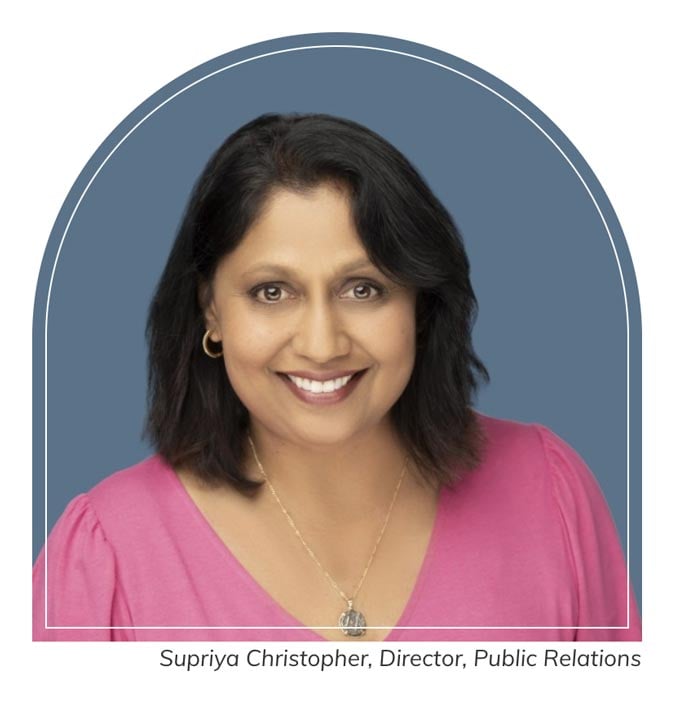
In the Travel segment, John DiPietro heads to Savannah, Georgia with Supriya Christopher from Visit Savannah to explore one of the largest St. Patrick’s Day celebrations in the country. They talk about Savannah’s deep Irish roots, why the celebration lasts all month long, how long the parade really runs, and what RVers need to know about parking, walkability, and getting around the historic district.
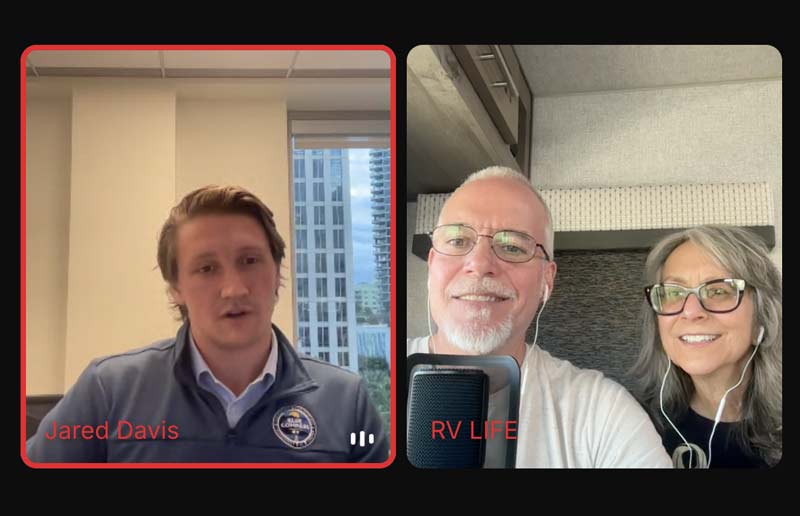
Next, in Lifestyle, Jim and Rene sit down with Jared Davis from RV Complete Club to talk honestly about the hidden and not-so-hidden costs of RV travel. From fuel and campgrounds to service and unexpected repairs, they break down where RVers tend to underestimate expenses and how planning tools, discounts, and nationwide support can reduce both financial stress and those “uh-oh” moments on the road.
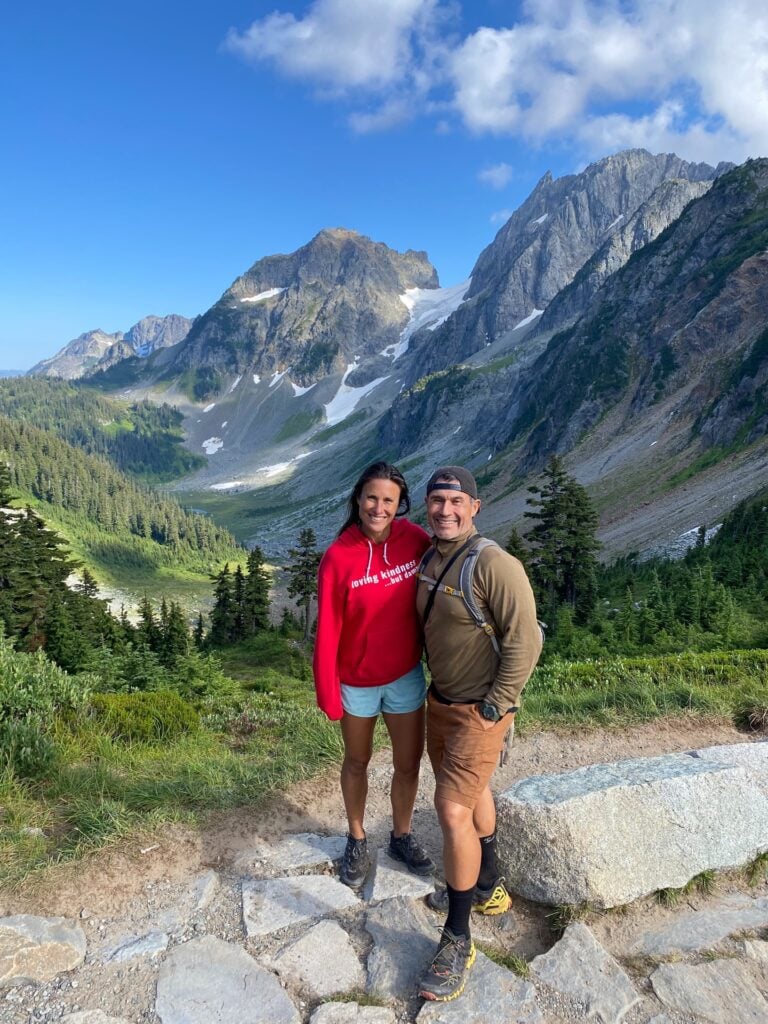
For our RV Entrepreneur profile, Rose and Glynn have a powerful conversation with Robyn and Victor Robledo of Nomads With a Purpose. They share their journey from brick-and-mortar business owners to nomads, the identity loss that often comes with leaving traditional paths, and how mindset, self-regulation, and recreation helped them rebuild confidence, purpose, and income.
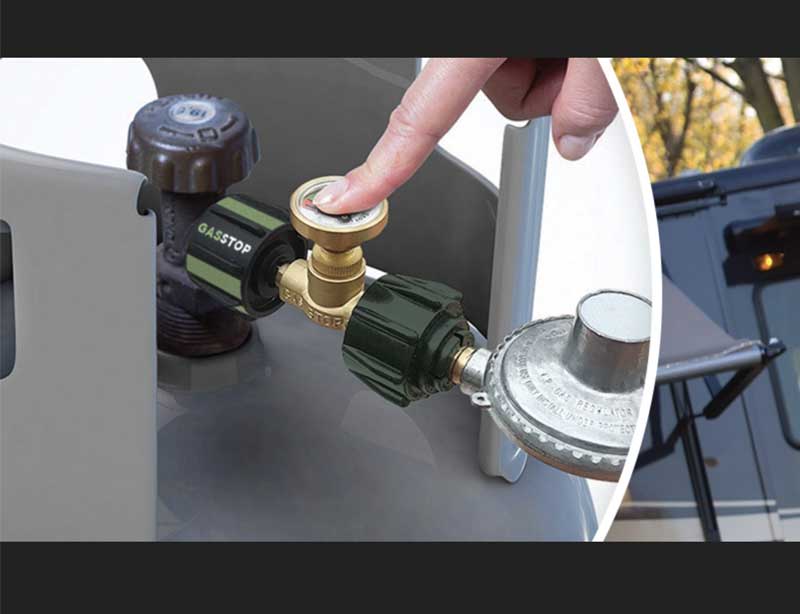
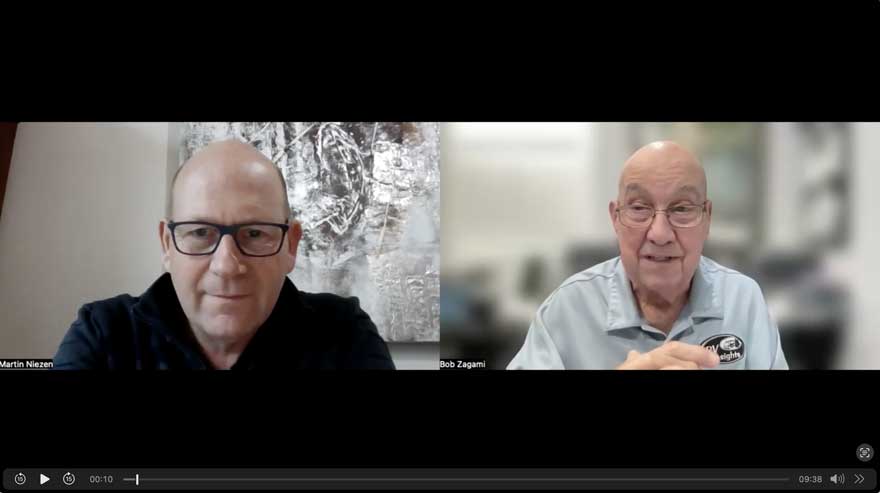
Bob wraps up with Industry News, talking with Martin Neeson, founder of GasStop, about propane safety. Martin explains how shutting off gas at the source can prevent catastrophic leaks, why detectors alone are not enough, and how simple mechanical systems can provide peace of mind without relying on electricity or batteries.
Insightful, practical, and thoughtful, this episode helps RVers travel smarter, manage costs with confidence, reflect on the personal side of the RV lifestyle, and stay safer on the road.
Savannah Celebrations, Smarter RV Spending, Identity & Safety on the Road
Top Reasons to Listen Now
- Discover why Savannah hosts one of the biggest St. Patrick’s Day celebrations in the country and how RVers can experience it.
- Learn where RV travel costs sneak up on you and how to reduce fuel, campground, and service expenses.
- Hear a candid conversation about identity shifts, mindset, and rebuilding purpose after going nomadic.
- Understand why propane safety starts at the tank and how a shut-off valve can prevent serious emergencies.
RESOURCES MENTIONED
Be A Guest or Share Your Story!
https://podcast.rvlife.com/contact
Listen to the RV LIFE Podcast Episode #154
Listen and subscribe to The RV LIFE Podcast on Spotify or in your favorite podcast app. Or, read the full episode transcript below. Leave a comment, or contact us with any questions or feedback.
Connect & Learn More
- https://podcast.rvlife.com/about
- https://facebook.com/rvlifepodcast/
- https://instagram.com/rvlifepodcast/
- https://www.facebook.com/groups/rvlifemovement
Got a great story or tips to share with listeners? Leave us a voice message!
(NOTE: Audio submitted may be published on the podcast unless specifically requested otherwise.)
Savannah Celebrations, Smarter RV Spending, Identity & Safety on the Road
RV LIFE Podcast Episode #154 Full Transcript:
SUPRIYA: In Savannah, Georgia, is at the top when it comes to southern hospitality.
MARTIN: Propane and electricity is not a really the best combination.
ROBYN: I chase adventure, I want to be the fun mom.
JARED: You know, it’s hard to anticipate all the costs and hidden costs that are involved with trips.
JIM: And… Welcome back to the RV Life podcast. I’m Jim.
RENE: And I’m Renee. Thanks for joining us again. We’ve got a really fun and useful episode lined up with a little travel inspiration and some real world ways to save money on the road. Plus a deeper conversation about mindset and identity and an important safety topic. Every RV should know about.
JIM: That’s right. Coming up in our travel segment, John takes us to Savannah, Georgia, where Saint Patrick’s Day is not just a one day thing. This is more than just some parade. It’s a big deal and a great destination for our RVers.
RENE: Then in lifestyle, we’re talking with Jared Davis from RV Complete Club about one of the biggest realities of RV life. The costs not just fuel and campgrounds, but service and all those little surprises you don’t read about in the brochures. This is not just another savings club with some confusing point system, but it’s a way to reduce the stress that comes with all of the expenses and planning.
JIM: After that, Rose and Glenn bring us another RV entrepreneur profile with Robin and Victor Robledo, and this is one. It’s a powerful conversation. They talk about the identity shift that can happen when you leave that default life to go nomadic, and what it takes to rebuild from the inside out.
RENE: And to wrap up this episode, Bob has an important industry news segment with Martin Nelson, founder of Gas Stop, about propane safety and why shutting off gas at the source can make a huge difference.
JIM: All right, let’s get into it with a timely travel segment. If you think the biggest Saint Patrick’s Day celebrations are all up north. This may surprise you.
RENE: That’s right. John is talking with Supriya Christopher from Visit Savannah about why Savannah’s Saint Patrick’s season is one of the largest celebrations in the country. We discover how long the parade really lasts and what our viewers should know about visiting, parking and getting around once you’re there.
JIM: All right, John, take us there.
JOHN: Hey, everybody, and welcome back to another episode of the RV life podcast. My name is John DiPietro. It’s a pleasure to have you with us. And today I am going to ask you a question. I am going to say, where do you think one of the biggest Saint Patrick’s Day celebrations in the United States is? And my guess is that nine out of ten of you are not going to get the right answer. Now, many of you will say, New York. Many of you will say Boston. Many of you will say Chicago, but not many that I know of unless they live down there are going to say Savannah, Georgia. And today we are talking with a representative of Savannah, Georgia. Supriya Christopher, who’s going to tell us all about the fantastic Saint Patrick’s Day? I shouldn’t really say Saint Patrick’s Day. It’s more like a week or weekend. It’s extended day, right? Supriya?
SUPRIYA: Yeah, you got it, John.
SUPRIYA: Well, first of all, thank you for having me on. And I can tell you you are exactly correct. Savannah, Georgia boasts one of the largest Saint Patrick’s Day parades in the nation every year, and we’ve been doing it for over 200 years. And it’s actually not even just a weekend. It’s the entire month of March. We really go all out and want to celebrate this important and historic time of year. A lot of folks don’t know that Savannah has a centuries old Irish legacy. We have strong Irish roots, starting in County Wexford and dating back to the 18th century. When when immigrants from Ireland started coming over to Savannah, Georgia. And with them, of course, they brought their culture and their civic pride and their costumes and of course, their beer.
JOHN: Their work ethic. Well, you know, the funny thing is, I don’t think anybody would ever guess that Savannah would be a stopping point for immigrants, because when immigrants would come from Europe in that, you know, in the early 1900s or so or 1850s, I mean, they would go to New York City and you know, they would disperse from there and some would stay in that area and, you know, some would go to Canada. And then the Canadians would come back to New England and that type of thing. But it’s very rare to see Georgia as part of something to do with European heritage.
Tell us a little bit now we’re talking from an RV perspective, and I know whenever I have RV in Savannah, we’ve always stayed at a great park that’s owned by our friends at spacious skies called Savannah Oaks, just outside the city. But the thing that I was impressed with from a viewer’s perspective, is that you have ample RV parking down by your visitor center. Only a short walk from from the quote unquote tourist area. But you can you can eliminate that walk and get on one of those white trolleys or the red and green trolleys and have that little sticker on your lapel and go all around the city.
The other thing I’ve noticed is that everybody down there is so polite, and, you know, you’re looking at your phone, you don’t. Nobody has maps anymore. You’re looking at your phone and people say, hey, can I help you all? You need directions. But but talk a little bit about southern hospitality and why our viewers from around the country would enjoy coming there and the good food that’s there, too.
SUPRIYA: Oh, I’ll be happy to talk about all those things. And you hit a lot of the highlights already. But you are exactly right. We have a very welcoming and a community, and Savannah, Georgia is at the top when it comes to southern hospitality. We love to welcome our visitors from all over the country and all over the world, in whatever way they make it here. We have a handful of very good RV parks in the area. You mentioned one. There’s another one called Red Gate Farms that a lot of our viewers may be familiar with. If they’ve been here, and the visitor center parking lot that you mentioned.
All of these areas are not far from our historic district of Savannah. And once you’re in the historic district, the best thing is it’s actually all walkable. You can get to all the restaurants, museums, hot spots, if you will. The River Street, which many people love to come and spend a day on the trolley. The Old Town trolley tours are one of our greatest partners here in Savannah. You hop on those trolleys, it’s hop on, hop off all day long, and you can get to see the sights of Savannah that way as well. We have so many interesting and wonderful places for people to, whether they’re coming on a day trip or a weekend trip to enjoy and beyond the restaurants and so forth. Just strolling along any of our 23 original historic squares.
JOHN: Where’s here’s what. Here’s what I have to tell you. The the first time we went there, we had driven overnight from New England and took one of the trolley tours and I didn’t get a good night’s sleep. And I kept nodding off in the trolley. And every time I turned around, I thought we were the same place, but we were in a different square, and all the squares are very similar, but they have a historic meaning, and every one of them is a little bit different, right?
SUPRIYA: Absolutely. I love to. As the Director of Public Relations for Visit Savannah, I talked to media professionals every day. And one of the things I always like to say is that there is a new story to discover in every square, Diana. Because and that’s the truth. I mean, it’s very rare in the United States of America to, first of all, find a city as original as we still are. Most places, as most people know, have been developed upon, and time and changes in industrialization and technology has changed the way things look. But Savannah is so unique because you are walking amongst the original squares that have been there for 300 years.
JOHN: And on cobblestones on certain streets. Absolutely don’t wear high heels.
SUPRIYA: No, don’t. You’re better off with your running shoes or your sneakers. That’s what we do recommend, because we do have original cobblestones, and that’s the beauty of our area. But what’s also so interesting is that along with that historic side of Savannah, you also see the modernity of hotels that are eclectic and new and wonderful to visit, as well as restaurants and shops and interesting museums. So it’s this very interesting juxtaposition, I guess you can say, of the old and the new Side by side. And that’s what I think is the charm and the beauty of Savannah that you just won’t find anywhere else.
JOHN: Let’s go back to our original topic was and I am the. I am famous for jumping off topic and going a million different places. Talk about the parade because there’s nothing like a Saint Patrick’s Day parade. And when you when you go to one in the northeast, you have a tendency to be basically frozen solid depending upon what the weather is for that particular day. My guess is the weather is a little bit, a little bit nicer for watching a parade. Is it like an hour long parade? An hour and a half? Two hour parade? How big is this parade?
SUPRIYA: Oh, no. It’s actually can be anywhere from about 4 to 6 hours long of this parade. And I’ll tell you what. People come and line up on the streets, line their chairs up on the streets in the middle of the night, the night before of the 16th. The parade always takes place on March 17th, regardless of what day of the week it is.
JOHN: No matter what day of the week.
SUPRIYA: Doesn’t matter.
JOHN: Okay.
SUPRIYA: Okay. We’re as authentic as it gets when it comes to our Saint Patrick’s Day parade. And as I said, there’s many festivities and parties and so forth that lead up to that date. But the parades, always on the 17th and the kids are off of school. It’s treated like a national holiday here. And what we really love about it is it’s not just there to go out and get beers and drunk and all that type of thing. I mean, sure, that’s also the fun of it. And all the bars are wide open and the restaurants are wide open for everybody to enjoy. But you really do see the blending of the heritage and the energy and the costuming of the Irish and of all of our community groups that embrace the celebration of Saint Patrick’s Day and of our Irish community. And that’s what I think makes it so beautiful. And then put it with that massive celebration and that stunning backdrop that we just talked about, the Spanish moss dripping off the live oak trees And the walkable squares in the riverfront. It’s just unforgettable.
JOHN: And I think it’s important to say that the Irish still live there. It’s not you know, they came 200 years ago and left and somebody else has a production company has put the put the show on. I mean.
SUPRIYA: No, it’s still led by the Hibernian Society of Savannah. We still have one of the largest populations of Irish, and we’re very happy that they have become a part of our community. And they’re not just become a part. They are some of the founders of this community. So we are very happy to celebrate our Irish heritage here. And for those of us who aren’t Irish, I’m not Irish, but I enjoy Saint Patrick’s Day more than maybe just the regular person that has been here for a while. It’s just a great experience. And so if you’re in the area, it’s something that we highly recommend you try to do someday in your life. It’s kind of one of those bucket list things.
JOHN: How about a website that people can look at to see what other activities might be around there, either geographically but chronologically at the same time. Saint Patrick’s day.
SUPRIYA: Visit Savannah. W w Savannah. And when you go there, it’s very regularly updated. We will have all of the information you need on the website as it gets closer to the date as well. It’ll be even more updated so you’ll really get all of the details. And I believe that the city of Savannah. Savannah.gov also has information pertaining to the logistics involved for parking and those types of things that you may be interested in when you’re here, but visit Savannah, Dot is the best place to start.
JOHN: We have been talking with Supriya Christopher from the Visit Savannah. Right. Convention. What did you say? Cvb Convention visitors bureau.
SUPRIYA: Yeah, well, we’re called the DMO, the destination marketing organization for Savannah and Chatham County.
JOHN: There we go. Thank you so much for being with us. And folks, if you are looking for a new and exciting thing to do for Saint Patrick’s Day, start planning now and I’m sure you’ll enjoy it. So for the RV Life podcast, this is John DiPietro saying we’ll see you again real soon.
RENE: Okay, first of all, Savannah is one of those places that just feels like it was made for wandering. I loved walking around the cemetery. Lunch at Clary’s.
JIM: Yeah, yeah, that was years ago. Maybe it’s time we head back. I love how they talked about the practical side for our viewers, where you can park, how walkable the town is and that trolley that we obviously missed.
RENE: All right, coming up next, we’re switching gears to something every Rver feels sooner or later the cost of RV travel and the stress that comes with it.
JIM: We sat down with Jared Davis to get the scoop on RV Complete Club. We talk about how this isn’t just an average travel membership. Rv Complete Club is built around the things our RVers spend money on the most fuel, campgrounds and service. Plus, we discuss how the app helps you find those benefits while you’re traveling.
RENE: All right, let Jared tell them Jim. Let’s go.
JIM: Jared. Nice to meet you. Thanks so much for joining us. We look forward to sharing everything going on at RV Complete Club.
JARED: Yeah. Thank you guys for having me. Super excited to be here and appreciate the opportunity.
JIM: Hey, it’s our pleasure as well. And for our listeners who might not know about RV Complete Club. Tell us a bit about what it is, what it entails, what kind of services. And personally I’m interested in who started it and why.
JARED: Yeah. So, you know, Blue Compass RV, you know who I worked with before this. You put such a massive focus on the investment towards the customer experience and always trying to raise the bar. And at one point we we did sit down and we thought about how we can extend that investment beyond just the RV buying experience, because of course he has a dealership group. You want to make sure that buying experience is amazing. But, you know, we’re proud to sell a lot of RVs each year. But, you know, there’s roughly 11 million viewers out there who aren’t looking to buy every single day, of course. So, you know, they wanted to be able to use that RV and enjoy the lifestyle, you know, those those viewers at home. And so we decided it’d be a great initiative to create something to promote the lifestyle and be able to offer a great experience for all those RVers out there. So, you know, there’s no better music to our ears than hearing about all the experiences that our viewers are able to make with their friends and their family. So we ultimately decided to create a way to stretch those opportunities and make it much easier for them and also lighter on their pocketbook.
RENE: Yeah. You know, the thing about RVing is it’s it’s not just a vehicle you’re buying. You’re getting into a lifestyle when you get an RV. And so there’s so much that goes into that for the entire time. You own that rig like fuel and campgrounds and also getting your RV serviced. So these are the things that we all deal with for good or not, when we have an RV. And I’m wondering why did you guys decide to focus on those areas when you put the club together?
JARED: Yeah, yeah. Great question. You know, we actually decided we wanted to hear from our customers and say, you know, where did they run into the most, call it friction, whether it’s for good or for bad. And where do they see that they’re spending most of the money. Our RVers spend a lot you mentioned, on their RV. And, you know, it’s like a second home for most people. And this is how they take their vacations. And so it is a significant investment. And we wanted to make sure, you know, we could utilize, you know, some of our partnerships to to help them, you know, stretch that that experience further.
And so, you know, you kind of mentioned we have our fuel discount program. So we work with love is a great partner of ours. They have over 600 locations nationwide. And we wanted to make sure that when they’re out traveling from place to place, they can save $0.13 off gas and $0.20 off auto fuel. They also have propane discounts, overnight stays and dump stations as well. And then once they finally get to that destination, we wanted to build that campground network. So we have over 600 locations where we focus not on quantity of locations, but quality. So we actually used RV life, obviously, another amazing partnership of ours. And we said, hey, can you send us your highest rated campgrounds across the nation?
And we just started calling, started building relationships. So, you know, we can send our customers to the best of the best locations to have amazing experiences. While they can also save up to 20% off the nightly rate at all those locations. Wow. And then any time in between there, if something bad happens or something falls apart, or they even just need to stop in to grab some parts, they have the opportunity to save up to $200 off every single time they stop at the Blue Compass Dealerships. So it’s at a 10% off rate.
JIM: So maybe it’s a good time to pause and just kind of list off. You know, you say RV complete club. What makes it complete? You listed a few things there. There’s discounts on staying places service. Is there roadside assistance. What else is RV Complete Club include?
JARED: Yeah great question. So if you buy an RV from Blue Compass RV, you actually get the RV complete VIP package, which does include roadside assistance. This is something you can only get from Blue Compass RV, so if you buy from them any new or used unit, you get that we work with Coach Net directly. They have an amazing reputation for, you know, taking care of customers and the situations where they need it the most. You can’t actually buy that roadside assistance outright, let’s say. But you can always go to Coach Net and they’ll make sure you’re taken care of. The club does not include that roadside assistance. The club is actually just the campground benefits the service and parts Imparts discounts and then the fuel. And then there’s a couple of other small discounts you can also get with being a part of the club, which is also listed on the sites and stuff like that. So to bring it full circle, the VIP membership, which is what you get when you buy, also has the one year of the RV complete club included in it as well. But for anybody out there who just wants to purchase it, it’s just $39 a year.
JIM: That’s great. You mentioned just that’s funny because that’s quite a lot of resources there. Whether you’re on vacation, like you mentioned, or full time RV ers. But for the members out there who are using this on a daily basis, is there any particular benefit you think that kind of makes the biggest difference in their travels?
JARED: Ultimately, I’d have to say the gas benefit. We chose love because they’re high quality fueling stations and they offer everything from gas, auto, diesel, propane, dump station. They have the overnight stays as well. I’ll just say I was at the Tampa Super Show a couple weeks ago. I can’t tell you how many people walked up and they were like, we love, loves. Tell us more. Telling us that they have a place to let their dogs run around and they’re clean and they have big lots, which is actually a very big topic when you have a big RV that you’re pulling around. So I do think that’s the most beneficial. You know, you can avoid, you know, running into service issues. You can dry camp or boondock or even park at a beach, but no matter where you go, you’re going to need fuel to get there. I think that’s a credible, you know, incredible benefit there. And it’s 606, sorry, 600 locations nationwide where you can take advantage of that.
In terms of just money saved, though, I do, of course, love the parts and service discount for every membership. That’s just $39 per year. You have the ability to save $200 every time you stop in. You know, if you run into an unfortunate situation where you have a big service bill, it’s going to pay off pretty significantly. I do a lot of running the numbers. It’s kind of my job. And we ultimately determined, you know, you could save well over just that $39 annual fee by just taking one trip. You know, you mentioned full time RVers. Yeah. Obviously it’ll rack up pretty quick, but even at one time, user, you know, can take advantage of it and make it, you know, well worth the trip. And then also to add on to this that loves discount can be for your truck, your car, your motorcycle, boats, you name it. And so you know, maybe you’re not RVing, but you can still stop into that loves and take advantage of that. I actually make sure my parents do that as well.
JIM: It sounds as though the membership could pay for itself on one trip. If you save on the campground and fueling up while you get there, and maybe some service along the way. I mean, you could save more than the cost of the membership, right?
JARED: Absolutely, yeah. I don’t quote me because this is off the top of my head, but we kind of did a mock trip and I actually used RV Trip wizard, and it was right before the Hershey RV show. And so I’m sitting in Fort Lauderdale in my office, and I’m, I think I picked out a Newmar, and I said, how much can I save just going up to Hershey? On my way there to go set up and talk to people about the club. And it was, I think, $105 each way. Wow. Obviously, it’s a pretty substantial drive, but that’s without any service or parts needed. So yeah, it can definitely pay for itself. You know, if you’re a nationwide traveler, it’s it’s a significant opportunity.
RENE: Yeah. I just I love how you mentioned that, you know, it’s good for your other vehicles too. And right now we’re parked seasonally for winter and we use our truck to get around. And. Yeah, I mean, first of all, anytime we have the trailer with us, loves is always a number one choice because it’s so easy. Like you said, they have everything. But right now, you know, we’ve just got the truck and we will still use that discount in when we’re filling up the truck, especially out here in Southern California, where fuel prices are astronomical. So I love any chance I can get for a discount. Now, you mentioned you’re a numbers guy and you’ve been crunching the numbers for this program. Now, what do you see as the biggest area where people tend to underestimate what Arvin costs? You’ve done a lot of research into this.
JARED: Yeah, it’s hard to anticipate all the costs and hidden costs that are involved with trips. I’m definitely sure, you know, most people are better at planning and building itineraries than I am. But I always seem to finish a trip and just kind of choose to ignore the credit card statement that’s coming the next month. Knowing I definitely spent more money than I, you know, had planned or hoped for. So on our app, you can see a map of the entire US and where exactly these customers can save on their trips. So when planning, they can ensure that they will hit all the spots in which they can save money so that you know, they know when they need to stop at a campground or fill up at a love’s. They can expect to have the opportunity to save money on that. Unfortunately, the gas mileage on these RVs aren’t great. You know, as you guys can probably relate, when pulling a travel trailer, your truck’s not going to get great gas mileage either. So depending on your fuel capacity, you can end up filling up many, many times on one trip. And you didn’t necessarily account for that.
JIM: Right?
JARED: Campgrounds have also gotten more expensive. You know, we listened to a lot of RVers for feedback. And, you know, I mentioned that’s how we built this club, but these campgrounds can get up to $100 per night. So we wanted to make sure we were alleviating that cost as well. And then the part, of course, that no one wants to talk about, the sort of subject is the unexpected service and parts that are needed to maintain your RV. They can be expensive. So, you know, we wanted to offer a place for RVs to stop nationwide and where they can save money up to $200 every time they come into the location. So in summary, you know, we want customers to be able to look back and not necessarily have to hide from that credit card statement, but actually be able to say why I thought we had spent a lot. But, you know, we actually saved a lot as well. And then in terms of that planning and the itinerary, the Trip wizards, an amazing tool and also lets you know what type of cost to expect because it does have the gas prices listed. And,you know, a great way for me to, to see the opportunity of savings too, when I’m not just, you know, out RV’ing. I wish I could more, but I’m sitting here at my desk instead.
JIM: Sounds like these apps and programs that kind of go hand in hand, but you mentioned costs quite a bit in there, which is what your program’s primarily about is saving costs. That can be a big stressor for folks on these trips. You know, a lot of people think the lifestyle of RVing, carefree sunsets, you know, just loving life. But then you come home and you have all those bills, but there’s other stresses involved. Say there’s emergency service and stuff, and it sounds like the complete glob might kind of help people deal with the stresses of RV travel. How does it do that?
JARED: Yes. So we’d like to talk about how we’re the trusted navigator, right? We want to give people the peace of mind and knowing that, you know, sometimes that blue compass, you know, we always talk about this too, is you have that sale and then they kind of say, all right, see you later. Good luck on your travels. Yeah. And there’s a lot of stress to it. I mean, you go through a demo. Talk about essentially a home on wheels, and you get a couple hours to learn about everything, right? You know, we wanted to ensure that no matter where you go, we can take care of you. And that’s why, ultimately, you know, when I talk with, you know, the people with Blue Compass, you know, quite often still is they they wanted to build that nationwide network so that if something happens, we can take care of you. You might have bought in South Carolina, but we can help you and help you in Southern California, too. You know, it can be stressful. And so we’re not going to always be able to, to fix everything. And but we’re going to also, you know, always try and push you in the right direction and help you save a little bit of money while doing that. It just alleviates stress knowing that someone’s always there on your team. And we’re not just pushing you off into the wild and saying, good luck.
JIM: Not just handing you the keys.
JARED: Right. Right. You know, worst case scenario, you’re on the side of the road. I hate talking about this because, you want to promote the industry, but it happens, right? And people need to know what to do when they’re in that situation. And so in the app itself, you can go ahead and request services and you can book a service appointments right through there.
RENE: Nice.
JARED: If you need to get Ahold of a coach net, you can go ahead and call right from the app as well. So the cool thing is the app, you know, when working in, you know, hand in hand with Blue Compass is it’s not just the club in the app. There’s also multiple other, Usability features in there that can ultimately help create a better customer experience and help the viewers take a deep breath while they’re out on the road and going through a stressful situation.
RENE: Yeah, and that’s just like you said. It’s just the reality of of any kind of travel. You know, being full timers for as long as we have now I can say for sure, first of all, that coconut is fabulous. I mean, we have been using them for well over 12 years, and there’s been times where we’ve had to call them. And so things do happen, and it’s just nice knowing that you have these backup contingencies in place to help you out during those really stressful times. Because for the most part, Arvin, is that sunset on the beach and the beautiful weather in the middle of winter and that kind of thing. But, you know, there are there are little moments where you need some extra help. So I love that you guys are coming through during those tough times. It really makes you feel appreciated and, you know, valued as a customer. Now for our viewers out there, people who are new, they tend to ask, what’s the best club I can join? What? What should I what do you you feel Jared, are the best clubs somebody should join. How do you choose? What do you decide on when it comes to managing the cost of a lifestyle and the membership clubs that support it?
JARED: So obviously I’m going to be a little bit biased here. Sure.
RENE: Yeah, I would too. It’s a great it’s a great program.
JARED: Yeah. Yeah. So of course, you know, I’m gonna obviously talk about why I think the RV Complete Club is great. I can kind of talk to that by, by speaking on some of the differentiators that we ultimately built the club with. You know, many clubs out there offer point systems. And, you know, I travel a lot for my job, and I know the systems well, you know, you always want to stay at this hotel because you get points for flying this airline or whatever it might be. But when we look back, we kind of noticed that the points never really got us as far as we had hoped, and most times we ended up spending more money just chasing these points. So for full time RVers, that might be great. But for full timers and then families who just go on weekend or week long trips, we wanted them to be able to just save that money without the points involved or the gamification. And at the end of the day, we felt that allowing customers to save money and spend less every single day kind of out out ways that the chase, you know, and earning points that they had hoped to use one day.
JARED: And they have the peace of mind that their money is working for them and taking them further every single day. And then I’d say, you know, the second biggest differentiation is just the Blue Compass partnership, the ability to work with a dealer group that I’m confident is going to do their best to give a VIP treatment to to club members specifically. Not many other groups have that partnership with a dealer group that’s, you know, going to give that experience and also help them and give them the opportunity to save on parts and service, if that’s necessary. And then I kind of mentioned this a little bit earlier too. But, you know, our campground network of over 600 locations nationwide wasn’t built on the stance of quantity. It was on quality. And, you know, it’s important that you love where you go, and that’s where memories will be made. And so we we got on the phone and we recruited campgrounds with that exact thing in mind, is to ensure our club members could save money while having incredible experiences. And I think we did a pretty good job of that. We worked with some incredible big groups out there. Sun outdoors is a great one.
RENE: They’re super.
JARED: Super high quality. I was at one in Myrtle Beach not long ago. Northgate properties is a group we worked with. They have camp info and you know, those are super, super cool. And then, you know, a lot of other great groups out there that are just, you know, high quality. And I could trust that they were going to be willing to give great experiences. And also if something happens to their RV while they’re parked at their campground, they’re not just going to ignore them, they’re going to help them out. And we talked about first time buyers as well. And if they don’t know exactly the whole setup and how to get it, they said, you know, they’d be happy to give the opportunity and the time to make sure they’re set up and ready to camp and not stressed out about whether I set up correctly or something’s going to go wrong. And so it’s kind of the mindset we went in is just saying, hey, we want to find campgrounds who are going to take care of our club members, and they’re going to be very happy that they went there. And you’re going to want to go again and go try another place. And I always talk about my biggest fear. Somebody would buy an RV, go out to a campground, that I led them to have a terrible experience and say, why did I do this? Yeah, a huge loan and this terrible experience happened. I don’t know if this is fit for me.
RENE: I love that you put so much thought into the research for the campgrounds that are part of this. That really says a lot about how much you guys care about the customer experience.
JIM: And we’ve talked about like family, RVing, weekends and traditional RVers and full time RVs, but with so many different types of quote unquote are out there, it sounds like the club could really help. If you like boondocking, you’re still going to save on fuel. And if you like resorts, you’re still gonna save on service. But before we go, can you tell us kind of the best way folks can learn more about the club and why, how they might think whether or not it’s good for them?
JARED: Absolutely. I would tell you to go to WW and you can find the club located right in there. But if you want a simpler way, just go ahead and download the RV complete app. It’s on the App Store for Apple as well as the Google Play for Android. That’s where all your benefits are going to be seen right there. We have the incredible map right on there that is, you know, RV life helped us with. And the greatest part of that I love about the map is if you’re worried about where you’re traveling, you can actually link your RV Life Pro subscription right in there. And so if you were worried about my AC unit that I just got put on and I’m going to go through an overpass and I don’t want to, you can actually route your trip right through that map on the RV Life Pro database. And it’s going to take you with your RV safe directions, knowing that it’s not going to put you in a terrible situation. And so, you know, I have to always thank RV Life Pro. They’ve always worked with us so well on this, and they helped us with that campground search and so in many other reasons. But you know, it’s it’s it’s a great place just to go right to the app and see everything that you can save all in one place. It just kind of creates that simplicity. And finding those campgrounds, finding the gas, finding the Blue Compass locations and then getting there safely, of course.
RENE: Sounds like such a great experience. Jared, thank you so much for being here and telling us all about it.
JARED: Yeah. I appreciate you having me. Thanks so much.
JIM: Sure. Thanks again. You know, I love this kind of conversation because it gets real. Rv life is amazing, but the costs add up fast.
RENE: And it’s not just about saving a few dollars. It’s the peace of mind of knowing where to go, what to do, and having fewer, uh-oh moments on the road.
JIM: Uh oh. All right. Next up is another amazing RV profile with Rose and Glenn.
RENE: Oh, yeah, they’re talking with RV entrepreneurs Robin and Victor Robledo about something that is never discussed enough. What happens to your sense of identity when you leave that traditional path, especially when your work and your location used to define you, right?
JIM: They share their story about leaving the default life to be nomads, that messy middle part, and the tools that help them rebuild not just income, but confidence and direction.
RENE: Here are Rose and Glenn and the nomads with a purpose.
ROSE: Hello, Victor and Robin, welcome to the RV entrepreneur segment of the RV Life podcast. Today we’re going to talk a little bit about mindset, specifically the identity shift that entrepreneurs tend to experience when going from working a traditional job, either one’s own business in that working environment, and then going to the full time RV living and being a nomad, we tend to have this identity loss, and you guys went through it and we’ll share with us hopefully how you overcame that. And that has also become part of your life coaching. But before we get into all that, briefly share a little bit about yourselves and what you do.
ROBYN: I chase adventure, that’s about it. I want to be the fun mom. I was 20 when we opened our first business as a brick and mortar in Coronado, California, a very affluent area. We opened a gymnastics studio and it was really successful. We got married that next year and had kids right away. We have five children and when we opened it, it was great because we wanted to be together all the time. And I only highlight that because if anybody lives in an RV, they know that at first, like, wow, I get to see my spouse all the time, and then you get to a point where you need to leave, you need to go do something. All I do is see you. That is part of that identity, though, like I am Victor’s wife. And then through all of our travels, I realized I am Robin Sandor, my maiden name. At my core. And I have to figure out this identity of Robin Robledo. So we opened our business. We ran it. It’s a great business, very successful and a really affluent city until Victor had a massive adrenal burnout in 2009. That kind of redefined our first level of identity, of relationship. Before that, we did everything together. We were like Velcro. And then through that healing process, he started doing jiu jitsu. I ended up pregnant with my fifth child. We kind of went in parallel paths that I was not okay with. I was. I straight up pretty much freaked out. I was crying all the time.
ROBYN: Who am I? You’re leaving me? I’m stuck as a mom at home. And as I got my head above water, I picked up a surfboard. And I just started surfing. And then I was like, oh, wow, there’s an I like. That was a big identity shift for me. Like, I love being outdoors. I had no idea I had showed him, hey, look at these houses on the beach. We could afford this for rent. And so we moved to the beach for two years, and it was really almost perfect. Except that I was still in that identity of I never see you, I miss you, I want to see you more. And he was busy working. The landlord wanted her house back. And I said, you know what? We could save so much money. This was 2015. There wasn’t this huge RV life influence at the time. I knew nobody who lived in an RV. You know, we could save so much money if we just lived in our RV for five months. No big deal. We’ll rent a house in September. It would be just a really good opportunity to just pull Victor away from his brick and from our brick and mortar. The goal was to pull him away for a ten day trip and then a three week trip, and then a six week, six week trip. And in between, we would be in an RV in San Diego. That’s cuing Victor, because that’s what started his identity shift.
GLYNN: Looking back. Because Victor, this is you know, based on what Robin just said, this is, you know, toward you how much of your identity was tied to your business and even your location. And I say that selfishly, because I was the same 100%.
VICTOR: Maybe, okay, maybe 98, 98% was like, I wake up, I go to, I go to this place. I am the man, right? I walk in this town that I’ve developed. I couldn’t walk more than a block without someone recognizing me. I could create my business was self-perpetuating. Because of that, I made a connection. Hey, how are you? Hey, when are you gonna come in for a workout? I’m waiting for you. And then that would naturally build itself out in a digital realm, which will probably touch on. You know, I’m still a child of the 80s. I know what I know how to make human connection. That was my gift. But digitally, that was something that really, really was a curve ball that I was not prepared for. So a lot of my identity was wrapped up into it, and a lot more was wrapped up into that I must grind mentality. I come from a long lineage of grinders. Well, of course, you’re supposed to get to the end of the day and feel just like satisfied. Like, ah, I did it. I’m exhausted.
GLYNN: You know what that other 2% yeah, is you are walking billboard.
VICTOR: Oh, man. That’s the other thing, right? And the other thing in fitness always being like being that it’s a once in a while, you’re like, you know, I want a donut.
ROSE: Go hide in a closet.
VICTOR: Yeah, exactly.
ROSE: Yeah. So for our listeners, do you own that tumbling business before you left for RV life and then you ended up selling, right?
ROBYN: He had two businesses side by side, a gymnastics one and a personal training one in Coronado. So when we started traveling, it was just more like, hey, let’s, let’s take these road trips. And Victor, I just we’re working on finishing up my book. He just says, sure, sure. I’m like, do you want to talk? Talk about it. Anything more? No, sure. Okay. So we we kind of jumped into that. And after that last trip, we’re coming back across the border into California again, and he’s like, I can’t ask you to rent a house. Like you’re too happy. Let’s just stay in the RV, keep the brick and mortar going. And we pretty much lived in our RV and then just took bigger road trips for that first until 2016. In May, we still kept the brick and mortar going, hired an employee, went to Costa Rica for a month, Europe for six months, which that was another whole identity breakdown. And then tried one more year of back and forth, trying to keep the business afloat while I was trying to be like, if we if we just learned marketing, if we became influencers, we could be the bucket list family. And in May of 2017, we closed the door and in my head we were going to make it. We were going to be the influencers. And it just never happened.
GLYNN: It’s a lot harder than people think.
ROSE: It really is. And once you close those doors on that brick and mortar business and you’re, like, free for a little while, it’s like, yeah, okay, we can do all this and this is wonderful. And then you’re like, mm, maybe we should try and create more of an income again. Okay, so what do we do? Do we do the same thing? There’s this identity that’s tied to what you were doing. It was it’s all about you. And then. So what did you guys do after that?
ROBYN: Well, the hard thing in that process, Victor never sat down with me and said, you know what? I want this RV life thing, I want this. Let’s think of ways that I could make money. It was always like, hey, you should do this. Hey, try this. I’m spitballing ideas. And Victor’s just kind of sitting there. Aha. Okay, well.
VICTOR: I always appreciate even this moment. Robin’s mind is you can see it shows how the North Star that we’re pointing to. But in my mind, I must protect my family. I must keep cash flow coming in. I need to provide them. And it also, because of my backstory, as soon as that brick and mortar close, my nervous system was on high alert. So I didn’t have the creative potential in 2018.
ROBYN: We basically came to a compromise after 2017 and were like, hey, I understand you need a place in person, but I just refuse it to be San Diego. I was so done with San Diego and I said, let’s just try somewhere else. He’s like, roll the dice, okay. Bend, bend, Oregon.
VICTOR: Working in a place, starting. You were in fitness. You know what it’s like. Building rapport with people takes a little time being accepted and embraced by a community. That takes time. And so when I arrived here, I would walk into a facility like, hey, are you you’re looking for a trainer, and you just expect them to know you’re the man and like, that’s not the case. Okay, well, you can start working here, but at the same time, I’m watching our bank account go 500, 400, 300, 200. Goose egg. Right. And you’re going. I have to pivot. I know now, what I know now is you must step into those greater visions and know that they’re going to happen as opposed to playing a little bit small. Because if you if I did this all over again, I would have stopped playing small. I mean, I ended up running out of money and having to work as a, as a mover in town and going I got, I gotta feed my family. I gotta take care of them instead of coming in, coming into it with something bigger instead. That just ends up really cutting the legs out from your creative potential and that expansion that you have to have. I know now that the mindset needs to be broad, vast and empowered towards that creative potential, and if it’s not there, you end up tripping and falling and back step back step. Before you know it, you’re moving furniture, schlepping furniture, and traveling somewhat all over the country just to break even.
ROBYN: But there is a huge self-worth problem at that point, right?
VICTOR: Yeah. You know, one of the words that I use always is humility that was ingrained with it. It’s part of me when you walk in quite humbly into a place they don’t know what you’re worth necessarily is. So yes, I realize now that that’s a crutch of self-worth. Martial arts has taught me there’s always a bigger fish in the jiu jitsu game. You always have to step on with some humility. Yes, I get that. But I made that mistake in life. Oftentimes through this process, I learned that all the words you choose to live by, well, they can also be a bit of a crutch. And I really do think that for me, that was hiding behind that, a self-worth issue that I naturally had.
ROBYN: And so we ended up with a miracle that we wrecked our RV. Somebody rear ended us and it totaled the back, but it was still drivable. So we ended up with a big chunk of money to get our head above water again. And so then we had to pivot. And then Victor still couldn’t find clients. So he started working at Lowe’s And at the time I was still I miss you. I want to see you. I’ll go work at Lowe’s with you. And I walked into Lowe’s with that red jacket and he looked at me. He’s like, I’m leaving next weekend. I’m going back to San Diego. I know how to make money there. End of story. And in 2020 just crushed it all in some ways. In a good way, because.
VICTOR: Well, it allowed me 2020 allowed me to really go. It was way more acceptable to do what I was doing digitally. Whereas before, in my mind, I’m like, no, I have to work with people. I have to be in person to read angles and lines and technique. And eventually that opened up the possibility, and that that possibility then flourished into something that I could do beyond just counting reps or reading the body. And and so sometimes the universe conspires, oh, you need to push. And I do believe that everything that’s happened to us has happened really for a reason to really show that you have to be prepared. And the universe prepares you for. For some of this thing, that’s a deeper idea. I understand that, but I do think I would having all the challenges that we faced, I would do it all over again.
ROSE: So you, Victor, had to pivot. You were kind of forced to pivot to online, which now was a blessing. And you’re doing that currently. And your identity was kind of forced to morph into something better. But were there things along the way in the middle gets messy? Any advice for those who are going through that? What did you do? Any tools? Anything that helped you? Yeah.
VICTOR: Looking back, if I had the tools that I had now, I would have been able to overcome that, really overcome and push through faster. I started meditating, I started doing breathwork. I realized that my nervous system was just hijacked because of my backstory. I come from a place where money was scarce, and so when I saw that money disappearing, it put me into a fight or flight state. I knew it, I felt it, I just didn’t have the skill in the moment to calm down on a deep level. And so meditation and breathwork, yoga practice, all of these things that I developed, and I certainly had my my strength training and my conditioning and all those things, but those weren’t really kind of giving me the ability I had to be able to hover outside my, okay, is this the person I want to be? And so each person, even now that I work with even qigong as well, the people that I work with, it’s about giving them the best shot and everyone is drawn to certain skills more. I’m like, hey, let’s try meditation, let’s try this, let’s try. And when you feel that click, ooh, something is happening, I can feel this undercurrent of emotion.
VICTOR: And so all of the things that were pushing me, what were the sticky middle parts I was an angry SOB. A lot of times. And I didn’t even know why. And it was because I was running on adrenaline and fuel. How am I going to provide? How am I going to provide? Why is this so hard? And instead of shifting from a place of empowerment, right. I was playing a victim. Like this is happening to me. But I was happy to play the martyr. I will self sacrifice for you guys to have this wonderful experience that I did not have. But it was increasingly becoming more challenging as time went on. And so all of those challenges pushed me to start, okay, what tool can I add? What habit can I start? Obviously we know to drink plenty of water, eat great food, really do all these things, but I needed to up that level. And then over time, I started to have a better idea of what it was that I needed to stay in that calm state and have an impact on really what I was drawing to me and drawing to us.
ROSE: Excellent. Really good advice.
GLYNN: You’re resonating with me so much right now, Victor. Yeah, that just pulled me in.
ROBYN: The little tidbit is Victor wasn’t raised with parents who said, what do you want? What would make you happy? And so to have identity, we have to be able to, to identify that what is happiness? What is like I keep this, this thing by my computer where happiness is my birthright. But we’re not raised to think that we’re allowed to be happy. But that’s that was a big part of our struggle is that grinder mentality. You’re not important unless you’re suffering. And that was really that was a big thing for us to overcome that it’s okay. We can be happy.
VICTOR: Going back to one of the challenges, I went from living with my family and we moved out together. Right. So I had zero transition at actually finding. And to me, in my mind, looking back, I said, whatever she wants, I’m going to make sure it’s happy. That’s the most important thing in my life, and that is still the most important thing in my life, is to protect my family. However, I have to make sure I’m balancing that and tempering it with what my personal needs and development are, instead of just sacrificing and exhausting oneself without that natural self-care or natural feeding of the self. All too often, I think I see it a lot when I work with men. They they get into that similar state where they’re self sacrificing for their family, and then they never really had a chance to discover what actually makes them tick and feels their energetic self as opposed to withdrawals, withdrawals. And that’s how I basically put it with guys. I’m like, hey, you have too many withdrawals from your bank account and not enough deposit. What is a deposit? And they go, I have no idea. Watching football on Sundays. I’m okay, well, how do you feel after doing that? Still kind of tired. Then it’s not. Then it’s not a deposit. We have to find out what that is.
ROBYN: And that’s where we did agree is that we reframed our life, our identity around prioritizing recreation, recreating ourselves. What each what it looked like for me versus Victor was different at first. We eventually realized, hey, mountain biking. We can meet at mountain biking, that we’re about the same level there. Some of these other sports weren’t created. It was maybe recreating me, not him. Jiu jitsu recreates him. I don’t do jiu jitsu. So. But finding that balance, it really, that’s the whole reason to move into an RV to me, not other people are different, but to prioritize recreation, recreating yourself. If it wasn’t for the recreation, I would never. Living in an RV is hard. It’s you have to flex muscles you really don’t want to flex. You have the luxury tax of sewer and it’s not fun. It’s only fun if you recreate yourself.
GLYNN: Luxury tax. To back up a little bit. It is called a recreational vehicle for a reason. Yeah. So it seems like losing yourselves actually became the path to finding yourselves again.
ROSE: Exactly right. And that identity that you had that was tied to that business, brick and mortar. Now you guys have gone through that process closing here. Do you have any advice for someone who is afraid of losing their identity going from that? You know, by leaving that traditional stuff, what would you tell them from your own experience?
ROBYN: Yeah, it’s really simple. This is extrinsic versus intrinsic, that identity where I walk through the street and I because I to walk through the street and everybody, I’m the one who started the business Miss Robin. Miss Robin, I understood that there was a that’s what surfing did. It moved me from that extrinsic value system of what does this person think of me. How popular am I? To what do I think of myself when I’m drowning in the ocean? It’s it’s self-perpetuating because the recreation is re-identifying who you think or what you think of yourself. Your core values. And it’s just a shift from extrinsic to intrinsic values.
ROSE: That’s a really cool way of putting it. And so you guys are online personal training, life coaching, all that now. So where can our listeners find you if they want to learn more or maybe inquire about some of your coaching?
ROBYN: We’re nomads with a purpose. So nomads with a purpose dot com you can find our things there. You can shoot us an email at nomads with a purpose, Robin. At nomads with a purpose. And we have a myriad of things. Life coaching to just finding your identity through understanding more about the self. Victor does a lot of breathwork and meditation in helping people to self-regulate. Obviously, he still does fitness training. It’s just there’s a lot of other ways of helping.
ROSE: We want to thank you so much, Victor and Robin, for coming on today. We appreciate your time.
GLYNN: Thank you.
JIM: Wow, that one really hits home. Because even if you’re not an entrepreneur, that identity shift is something a lot of our viewers experience.
RENE: Oh, yeah. Whether it’s leaving a career, becoming a full timer, or just redefining what success looks like to you, there was a lot in there to think about.
JIM: All right, let’s close out this episode with something safety focused. It’s important, and it’s one of those topics that’s worth hearing before you ever need it.
RENE: Bob is talking with Martin Nelson, founder of GameStop, about propane safety, how they’re shut off system works, and why it matters to stop a catastrophic leak at the source, not after it becomes an emergency.
JIM: Here’s Bob and Martin.
BOB: Okay. My guest today is Martin Nelson, the founder of Gas Stop, which is the safest Propane security system. In our industry and and in the world. Martin, take take us back to when you founded the product and why it was such an important invention for you.
MARTIN: Yeah. Thank you for having me, Bob. Gas stop is a 100% shut off safety valve in case of a sudden, catastrophic, propane leak. And, the good thing about gas is also, you can test for minor leaks, and that’s even as important to actually, before you go traveling, you are able to do a minor leak test and see if everything is, still fine. We discovered in the in the RV industry in America, you have access to flow valves, but not shutting off 100%. And that can be dangerous if gas keeps flowing, while you are at sleep or not noticing that there is a problem.
BOB: It’s it’s truly amazing device. Now, you You entered the United States around 200 2019. So you’re you’re 5 or 6 years into your adventures here in the United States, and the product is getting a lot of attention, both. You know what’s interesting about this product? The manufacturers can put it on their units at the shop if that’s, you know, when they’re making the units, dealers have it. They can do it on Amazon. Talk about how it works in, in, you know, let’s let’s assume a lot of our listeners today never heard of Gaston. So yeah, give us the 30,000 overview in simplistic terms why this product is important. And, you know, as you and I go back now since, you know, 2019. So we’ve done a lot of interviews, but I’ve always said this product should be on every RV in the United States. I’ll let you worry about Europe. But but.
MARTIN: Yeah.
BOB: But this product truly is one of those products that should be on every RV.
MARTIN: Yeah, that’s absolutely correct. The thing is that so we for America, we have two different devices. We have a gas stop for a tank, and we have a gas stop for a propane-like cylinder and GasStop is a 100% shutoff in case of a sudden or catastrophic leak. And it actually works on, on flow rate and not on pressure. So we are not relying on springs or any other small details that can get sticky, or it’s an old fashioned way of how an airplane flies in the air. So there’s in the device, there’s a little ball bearing hovering on the flow rate, and as soon as we get too much flow rate than the flow rate, the gas flow will pick up the ball and shut off the whole system. Gas stop is installed directly on the source, so directly on the on the cylinder. And after that you have a regulator or a hose. It depends on the installation. And as soon as you have this leak, this gas leak, this this catastrophic gas leak, it will shut off 100%. There is a little gauge on the system.
MARTIN: So you can actually visually see if it has tripped or what the condition of your propane system is. And the other thing, the good thing of gas stop is, you can imagine if you travel a lot with your RV and you, you have just traveled for 300 miles, 500 miles. You go over bumpy roads and you can easily create a minor leak. And that could be leading to something dangerous. So when you come to your new destination, you do a check for it’s about ten minutes and you open the cylinder. You need to prime the gates to open the gas stop. Then you close the gas tank again. What you’re doing is trapping the gas in the system. And if you look at the needle at the gates and the needle drops, you know, you have a small leak somewhere and you can do something about it. So it’s. And people love it. Our viewers love it because it’s a great peace of mind. And you can detect a minor league as well before you have any big issues going on.
BOB: Yeah. You know, the thing that’s amazing to me is you’re at the source, so it’s on. It’s on the tank, on the exterior, or it’s in the cylinder in there. So it doesn’t require any electricity. It doesn’t require any batteries. It’s based on the design of the system itself. Now, some people might think that having a carbon monoxide detector in the RV might, might be their safety valve, but that’s that’s not really true, is it? Because that in in those cases, if that alarm goes off, then it’s been leaking for a while. So so explain explain that technology so people understand it’s important to have the carbon monoxide. But you want to be at the source.
MARTIN: Yeah. It’s an absolutely very good point. So in in the United States you have three different devices. So you all have a propane or butane detector carbon monoxide detector or a combination of both. So the modern RVs have a combination of both. But the thing is, it’s a detail, but it’s a very important detail. If you want to put a propane detector into your RV, you want to put it, install it as low as possible because propane is heavier than air and it will drop to the bottom. So the first thing you want to know when propane is leaking. The alarm goes off in the bottom of your vehicle, but for a carbon monoxide detector, you want to have it installed iat the ceiling as high as possible. Because, those gases go up to the ceiling. Right. It’s it’s it’s it’s lighter than air.
BOB: Yeah.
MARTIN: Yeah. So and the combination of both is a kind of tricky thing. And another point that I want to point out is, I don’t want to scare people, but propane gas and electricity is not a really the best combination. And detectors like this, it’s absolutely must have in my eyes. You need to have it’s a it’s a it’s it’s a standard in America. It’s not a law. But those are standards. You need at least you need one device. One detector. But it’s it’s like when you put propane and electricity in one compartment. That’s in my eyes as a safety, guys, it’s not the real best thing to do. So this is also a reason. And it’s a very good point you made with gas that you don’t need batteries. It’s a 24 over seven, safety on your vehicle with a five year warranty always functions because it’s a mechanical. And the detectors is there can be a lot of issues going on with the battery not working. The wiring is not good. There are a lot of things that could go wrong. Your fuse can be burned out. And electricity is also heating up. So in heat and gases are not the right combination. So there are a lot of things you constantly need to check and go out. I advise you to do a monthly checkup with your detector. There’s a little knot, a button on it. You can check for it and please do so because if you have an accident, you will never forget. And you don’t want that, right?
BOB: Right. Our guest this morning is Martin Nesin, the founder of Gas Stop and the, probably the best propane safety system in the RV industry and in propane in general. Martin, before we let you go, we’re running short on time, people. How do people find gas? Stop. And where can they buy it?
MARTIN: So, we sell on Amazon and, with large retailers as General RV, every store has, GasStop available and they provide you all the information when you buy a new RV. And they will make sure that they explain gas up to you.
BOB: Yeah. I think one of the nice things that they do is they, they have kind of a top ten products and, and within that top ten is gas stop. And all of this salespeople have to take new customers and even existing customers and walk them through the ten items. These are the ten items that they feel are most valuable. If you’re going to be buying an RV and if you want to protect your investment. Martin, thank you very much. Always a pleasure to catch up to you and hope your weather gets better over there in the Netherlands. And I’ll keep soaking up the Florida sunshine.
MARTIN: Great talking to you. And thank you again. Always good to talk to you about.
BOB: Thanks, Martin.
JIM: Great information there. And a good reminder that safety systems are not any place to cut corners.
RENE: Oh, yeah. So that’s a wrap for RV life podcast number 154. Set your trip wizard to Savannah for Saint Patrick’s Day. Get smart savings and support with RV Complete Club and consider that mindset conversation with Robin and Victor.
JIM: And don’t forget that important propane safety discussion with gas. Stop. Share this episode with friends and make sure you’re following the RV life podcast so you never miss the next one. Find complete show notes and resources on the episode page at podcast.com.
RENE: And as always, get more RV trip planning tools, campground reviews, and travel help with RV life.
JIM: Thanks for listening. Until next time, remember.
GLYNN: It is called a recreational vehicle for a reason.
RV LIFE: Yeah. Ever wished you could learn more about RVing from the experts? With RV Life Masterclass, you can gain access to a wealth of knowledge through online courses and a resource library filled with insightful guides. Whether you’re a novice over or a seasoned traveler, there’s always something new to learn. Start expanding your RV knowledge today by visiting rvlife.com.
The RV LIFE Podcast is presented by RV LIFE – Tools that Make RVing Simple
https://rvlife.com