
At a Glance: RV LIFE Podcast Episode 153
This episode of the RV LIFE Podcast explores how to plan RV travel around major national events and why early reservations and flexible strategies matter more than ever. It also breaks down what RV buyers and owners need to watch for to avoid costly damage, from water intrusion and maintenance neglect to common inspection red flags. You’ll also hear practical guidance on modern holding tank care and a behind-the-scenes look at how RV manufacturers are thinking about quality, expansion, and long-term customer relationships.
Plan smarter RV trips around major events, avoid costly RV buying and maintenance mistakes, get clear tank care advice, and hear what manufacturers prioritize after the sale on RV LIFE Podcast #153.
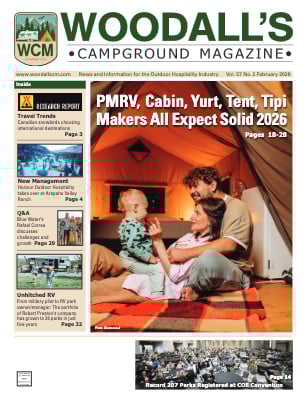
Planning a once-in-a-lifetime RV trip this year? We kick off with some can’t-miss events including America’s 250th, the Route 66 centennial, and World Cup matches. Woodalls Editor Be Quiggle shares how to lay out a realistic game plan: book early, consider shuttles, and widen your campground search so you’re not paying stadium-lot prices or fighting gridlock. You’ll hear why smaller, lesser-known parks can save the day and how to stress-test your itinerary before you hit the road.
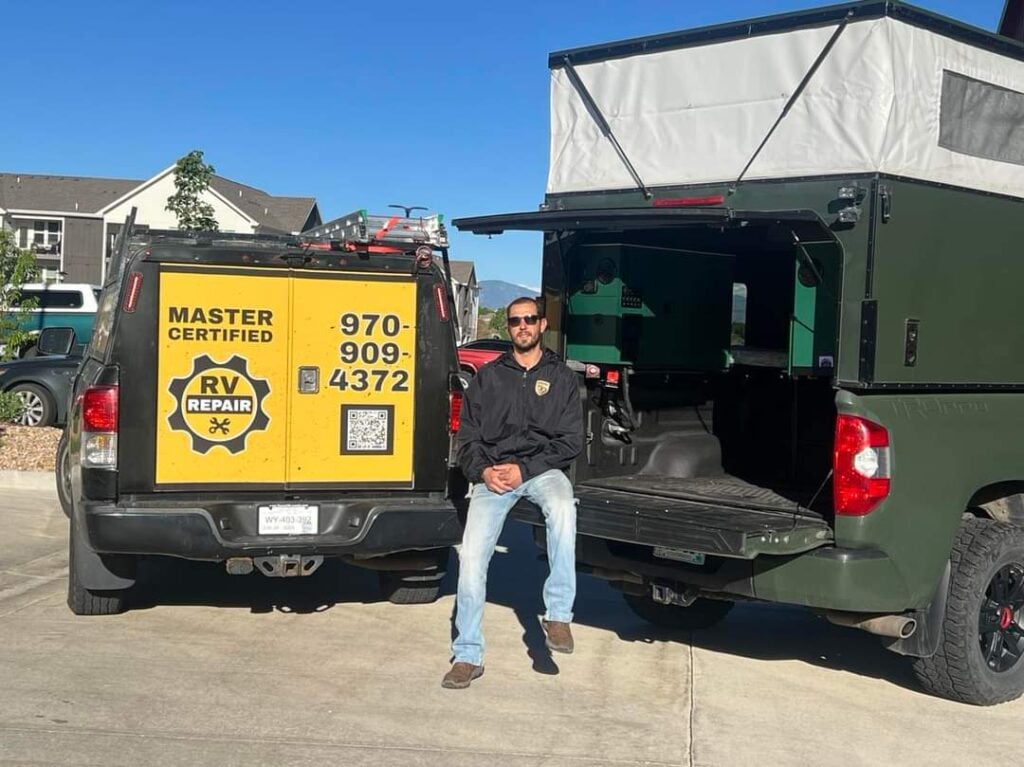
Next, we shift gears into the nuts and bolts of RV ownership with mobile master certified tech Zeb Han. Zeb breaks down the top failures he often sees: loose wiring, mismatched flexible plumbing, and neglected sealants that turn into expensive water damage. He shares a buyer’s inspection routine you can copy to ensure you don’t inherit someone else’s problems. We draw a clear line between DIY wins and the jobs you should hand to a pro, plus how to leverage third-party inspections on brand-new rigs before signing.
Then we tackle the least glamorous part of RV life and actually make it useful. Ricky Stewart from Unique Camping & Marine explains the real science of holding tanks, and the unique business they’ve built with consumer education and smart marketing. He takes us inside their clear-tank lab to bust rinsing myths and show why a simple fill-and-dump can outperform fancy wands.
Finally, we get a rare inside look at Forest River’s Plant 410 with GM Willie Miller. Learn how they’re expanding product lines while guarding quality, warranty performance, and after-sale support. The strategy is simple but hard to execute: keep owners in the brand family through each stage of the journey, and back the promise with service and parts, not just front-cap stickers.
Enjoyed the conversation? Follow the RV LIFE Podcast, leave a review to help more RVers find us, and share this episode with a friend planning a big trip or shopping for a rig.

Reservations, Repairs, and Real RV Talk – RV LIFE 153
Top Reasons to Listen Now
- Learn how to plan RV travel around America’s 250th anniversary, the Route 66 centennial, and World Cup events without getting shut out of campgrounds.
- Hear a certified RV tech explain the biggest buying and maintenance red flags that lead to expensive water damage.
- Get clear, practical advice on holding tank care and why outdated myths cause more problems than they solve.
- Understand what RV manufacturers are focusing on right now when it comes to quality, growth, and long-term customer support.
RESOURCES MENTIONED
- Woodall’s Campground Magazine
woodallscm.com - Master Certified RV Repair
mastercertifiedrvrepair.com - Unique Camping + Marine
uniquecampingmarine.com
facebook.com/uniquecampingandmarine
www.youtube.com/@uniquecampingmarine - Unique Camping Lifestyle Segment:
https://podcast.rvlife.com/rvlife151 - Forest River
www.forestriverinc.com

Be A Guest or Share Your Story!
https://podcast.rvlife.com/contact
Listen to the RV LIFE Podcast Episode #153
Listen and subscribe to The RV LIFE Podcast on Spotify or in your favorite podcast app. Or, read the full episode transcript below. Leave a comment, or contact us with any questions or feedback.
Connect & Learn More
- https://podcast.rvlife.com/about
- https://facebook.com/rvlifepodcast/
- https://instagram.com/rvlifepodcast/
- https://www.facebook.com/groups/rvlifemovement
Got a great story or tips to share with listeners? Leave us a voice message!
(NOTE: Audio submitted may be published on the podcast unless specifically requested otherwise.)
Reservations, Repairs, and Real RV Talk – RV LIFE 153
BEN: So it’ll be interesting to see if camping remains an affordable option.
ZEB: Whenever you come down to water leaks, all of a sudden the price to fix it is just astronomical.
RICKY: You still have these people being like poor Pine-Sol down your toilet. Pour bleach down your toilet. Pour fabuloso down your toilet.
JIM: Welcome back to the show. I’m Jim, back at the wheel here for RV life.
RENE: And I’m Renee. We have an exciting ride for you with this one, so hang on tight.
JIM: This week we’re covering a lot of ground, literally and figuratively. First up, we’ve got John talking with the editor of Woodall’s Campground magazine about a big year of RV travel planning with once in a lifetime events and why early reservations matter more than ever.
RENE: Then we’re getting super practical with our own lifestyle segment. We’re sitting down with Zeb the RV tech, a certified RV technician we trusted to repair our own awning. We talk about the issues he sees over and over again. What to watch for when you’re shopping for a rig, and what regular maintenance really pays off.
JIM: For the RV entrepreneur profile, Rose and Glenn talked with Ricky Stuart from Unique Camping and Marine. They’re tackling one of the least glamorous parts of RV ING and somehow making it interesting, useful, and even a little funny.
RENE: And then Bob wraps things up for us with forest River general Manager Willie Miller talking about quality, production, growth and what it looks like to build better long term relationships with both dealers and customers.
JIM: All right, lots of ground to cover here. So let’s get into it.
RENE: Kicking things off. Here’s John with our RV travel segment. If you’re thinking about route 66, America’s big birthday celebrations, or even World Cup travel, you’ll want to hear this before you start planning.
JIM: Okay, here’s John with Ben Quiggle, editor of Woodall’s Campground magazine.
JOHN: Hey everybody, welcome back to the RV Life podcast. My name is John DiPietro. It’s a pleasure to have you with us today. And today is a special day because rather than just talking about one destination like we do normally, we have the editor of Woodall’s Campground magazine with us, Ben Quiggle, and we want to talk about a wide variety of RV camping opportunities that are coming up this year. Ben, first of all, welcome to the RV Life podcast. We’ve had you on so many different publications and presentations that it’s always nice to have you with us.
BEN: I think you’re the only ones that want me back all the time.
JOHN: So, Ben, this year is an amazing year because it’s the 250th anniversary of the United States. It is the 100th, the centennial anniversary of Route 66. And there’s World Cup soccer taking place all over the United States and North America, which opens up a wide variety of camping opportunities that are really once in a lifetime. Is there any tips that you would give to our listeners about making those reservations for camping nearby these big events?
BEN: I think I was just on Route 66 a couple weeks ago. If you’re anywhere near areas that are going to be doing big celebrations, I know Yosemite is doing a huge fireworks show out there, and of course Mount Rushmore and places like that. You’re going to have to book early. Some of those sites might already be completely booked up for those celebration periods. So the name of the game is booking early and trying to find some parks that are less known or less popular.
JOHN: Route 66 is that iconic road. A lot of people say, well, where is it? It goes from Illinois to California, right?
BEN: Yes, I believe. I’ve never driven the whole thing. Have you driven the whole thing?
JOHN: Never even stepped foot on it. But we’re seeing all these new opportunities this year to do something different that you really get one shot at. It’s funny, we say America 250 is a one time opportunity. Back in 1976, we thought we’d never get another big one. But if you live long enough, you get enough major events to go to. With the size of these events, you may have to be carrying a toad with you, depending upon the type of RV you have, staying at a campground maybe farther away from the venue but having that car or rental car or motorcycles to get to the venue.
BEN: Depending on the venue and the event you go to, there are campgrounds that offer shuttle services and things like that. I imagine there will be some of that happening, especially around Mount Rushmore with everything going on there. You could definitely do your research on that end. I’m also interested in the pricing. What’s going to happen on the pricing side? For the World Cup, hotel rooms near games are skyrocketing. So it’ll be interesting to see if camping remains an affordable option or what goes on on that front too.
JOHN: And then there might be those adventurous people that just want to go right to the venue and pay a little bit more to park their RV in the stadium parking lot for that particular night. Here in New England, the stadium that hosts the New England Patriots is the same venue that has soccer, and they have an RV lot that’s adjacent. I think many of the NFL stadiums have accommodations for RVs. It’s just a question of what the price will be and whether they are sold out yet.
BEN: I know the pricing for World Cup events is just exorbitant at the moment. We’ll have to see what’s going on with that. I imagine for the birthday celebrations for the US, some of those events are going to be pretty expensive and extremely popular. I don’t know when booking opens for Mount Rushmore events, but if it’s already open, it’s probably already sold out.
JOHN: And then you’ll have a wide variety of events in the major cities, especially in Philadelphia and Washington, which seemed to be the main areas that 1976 presented as challenges for traffic.
BEN: One of the interesting things about America’s birthday is that every community is going to have something going on. It’s not like you have to go to the big events to have fun. There will be communities all over the US that are hosting things, and there may be campgrounds doing unique events as well. I haven’t heard of specific campgrounds yet, but I imagine there will be some doing special celebrations. It’s definitely worth looking around and seeing what fits the type of travel experience you want to have. If you want to fight the crowds to get into Mount Rushmore, then go for it. If you want a quieter celebration, there are parks and communities that will offer that.
JOHN: I’m sure the 4th of July will be a national celebration as always, but this year even more with people going all out.
BEN: Yes.
JOHN: July and August are the big high occupancy months for campgrounds.
BEN: July 4th, Memorial Day, and Labor Day weekend are already really popular. A lot of times July 4th books up very early for most parks. So you’ve got to get on those early anyway. This year it’s definitely going to be important that you book that stuff early.
JOHN: Looking at it from a more generic perspective, you’ve been going to a lot of the national annual meetings of groups like KOA and ARVC. Any headline news that you’ve seen as far as the upcoming camping season from the campground perspective?
BEN: I think the Canadian situation is having an impact where Canadians aren’t coming down as much, especially as we go into snowbird season. There are certain parks that are definitely feeling the impact of that. Park owners are still investing in their parks, but they’ve slowed down some. Three or four years ago, park owners were adding and upgrading like crazy. Some of that has slowed to some degree, but people are still optimistic in the industry. They still want to add things. With interest rates going down and the current economic picture looking a little better than two or three years ago, park owners feel a bit more secure. The owners I spoke with said they’re still investing in upgrading different areas of their parks. That’s exciting for travelers because there are still new things going in and new experiences. On the glamping side, things are still going pretty solid.
JOHN: The final question I want to ask you from the park perspective is about the addition of charging ports for electric vehicles. Five or six years ago, Winnebago came out with an all electric motorized product. It was more of a concept vehicle, and I don’t think they ever fully released it. But there’s more talk about RVs being pulled by electric vehicles that need to recharge. There was a lot of discussion within the campground industry about whether they would need to put in upgraded charging facilities. What are you hearing about that?
BEN: That’s really slowed down. I spoke with some park owners at recent conferences, and on their side they’ve pretty much stopped focusing on that. They’ve shifted their focus to other things, like AI and some of the other issues facing the industry. The electric vehicle topic was really big for a year or two when it seemed like it was going to be huge. It has slowed down, and you can tell that on the auto manufacturer side too. You don’t hear as much from them. I’m not exactly sure what President Trump has done regarding mandates or whether they’ve changed, but it seems like they’ve lessened to some degree. Parks are still keeping an eye on it and working on infrastructure, but if you had asked that question two or three years ago, a lot of parks were panicking and trying to add many more charging options. Now things have evened out. I’m not saying parks aren’t adding them or trying to meter electricity and prepare, but it’s not as big a deal as it was a couple years ago when it seemed like we were all going to be driving EVs in the next ten years.
JOHN: I’m happy to say that I traded mine two weeks ago, and I’m very happy to be able to put the heater on and not worry about my range going down to zero.
BEN: A couple years ago it seemed like by 2035 we were all going to be in EVs.
JOHN: I don’t think that’s the case. I can’t believe our time is already up. We’ve been talking with Ben Quiggle, the editor of Woodall’s Campground magazine. Ben, always a pleasure to have you on the show with us, and we want to extend that invitation to come back real soon.
BEN: Thank you for letting me on, and thank you for listening to what I had to say.
JOHN: This is the RV Life podcast. My name is John DiPietro. His name is Ben Quiggle. We’ll see you again real soon.
RENE: Oh, that’s great advice from John and Ben. And if you’re planning anything around those big event weekends, that book early message is going to come up again and again this year.
JIM: That’s for sure. You just can’t drive all day anymore and show up somewhere expecting to find a site like we used to.
RENE: Oh stop it, you’re sounding old.
JIM: All right, all right. Coming up next in our lifestyle segment, it’s one we wish every viewer could hear before they buy their next rig.
RENE: We’re talking with Zeb, the RV tech, and he’s breaking down the most common problem areas he sees in both new and used RVs. What’s a real deal breaker and what’s actually doable for DIY maintenance?
JIM: Plus, he shares a simple way to read an RV when you’re shopping so you can spot neglect before you inherit someone else’s problems.
RENE: Now, here’s our discussion with mobile master certified RV repair tech Zeb Hahn. Hey Zeb, thank you so much for being here today. It’s really nice to see you again.
ZEB: Yeah, certainly. Great to see you all spaces. It’s been quite the time.
JIM: Yes it has.
RENE: Yeah. We.
ZEB: How’s it going out there in California?
RENE: You know, it’s it’s lovely. And I have to say, we’re quite spoiled out here in the, in the winter time. I am just thrilled to introduce you to our audience because finding an excellent RV technician is so difficult. And we found you at a Koa campground. Yeah. And you just you have it all together. And we just loved how you helped us out when we needed the assistance with our awning. And tell our audience how you got started in the industry and a little bit about your background.
ZEB: Well, it was actually, uh, my grandparents owned a campground in Missouri, and I grew up there ever since I was two years old, spent about, you know, 23 years of my life there. And so that was kind of my introduction to the RV world. It was like one big family there. Everybody’s great. So that kind of really instilled with me and kind of always put camping as a priority in my life. From there I went to building houses and just kind of wasn’t my jazz. So I applied at a camping world as a as a salesman, and thank God the service team got Ahold of me. You know, it was definitely life changing. You know, at that point. And I did that for about four years there in Columbia, Missouri, and then applied to some places out in Colorado and finally landed a job at Lazy Days out here in Colorado and came out here and worked as a technician for about another four years at one of the high end dealerships, you know, pushed a lot of big units out. That’s kind of was was my experience in the RV industry. You definitely learn a lot through the through the years at a dealership.
ZEB: There’s a lot of things that go on. I transitioned from doing that and then growing up at the campground. I it was a lot of running my own business because I eventually took over when I was 16, doing, you know, the paperwork for the corporation. So I was always kind of running my own business, whether it was lawn care or, you know, we had a Christmas lights gig that we’d done years ago. So, you know, running my own business was kind of always instilled with me. So I kind of put put everything together and decided to bring this to people at the campground, you know? And I feel like my services are a lot more appreciated by the customer in this aspect as going to the campground. And, you know, they get honest advice, you know, which is hard to find in the RV industry because you go in the service counter and you know that most of the people don’t know what they’re talking about. Or they may think they do, but, you know, it takes a lot of time and training in the industry to really be confident in what you’re telling the customer.
JIM: So I can vouch for that because we saw you working on a rig. You know, you have your own rig set up with your logo on it, and you were obviously on site working on something, and we had an issue that we needed. And I went over and talked to you, and within a couple of days you were fixing it and you knew obviously knew what you were doing. I mean, we could have done the DIY route and possibly but you ran into some issues with the awning that looked like a little of a struggle and I’m glad we found you. So my question that I have, though, is when you’re looking at working on either new or used RVs, are there any like top three problem areas that always come up again and again, regardless of brand or how much someone spent? Is it the appliances, the systems, the structural? Is there anything particular that comes up a lot that you’re working on?
ZEB: Yeah, I mean, there’s several things I see, you know, um, there’s a lot of problem areas all over the RV, but, you know, I see a lot of electrical issues new and used, you know, you’ll see where wires have worked themselves loose from the connector. Maybe it’s it’s been rubbing against something for so long that it’s it’s broken off. So, you know, I see a lot of little electrical issues like that. Granted, you’re they’re hard to find until they show up. You know, that’s one of the things where it’s kind of hard to know what’s coming. You know, electrical issues just happen, you know, and that’s a lot of things on an RV. That way they just kind of happen. You know, they they don’t have the rhyme or reason to it. Another area I see quite a bit. Plumbing. I’ve had a lot of issues with some of the plumbing. Typically the newer coaches, you know, your older units that are from, you know, the 2000 to 2010, you know, those were plumbed pretty well. But, you know, you get these newer units within the last 15 years, they they’ve used a lot of flex lines. And so these flex lines, they’re not really great with the connectors. So they’re using too big of lines that they’ve ordered from China. And you know they’re too big for the connector. You know it’s just they’re not they’re not made for them. So you know the plumbing if I look out for flexible lines, a lot of these units and it honestly if I was buying a new coach from a manufacturer, I would I would take off the the panel on the backside and see if there’s a bunch of flex lines. If so, I’d say I want all that stuff replaced with actual PEX water lines and fittings because I just, I wouldn’t buy it because I know there’s going to be issues down the road. It’s just a matter of time. They do things.
JIM: Like work in home. They might work at home, but things are moving around all the time. Is that the issue with those connections?
ZEB: Right. Well, yeah. And they’re not using the correct fittings for them. You know, on a hose connection you want to use a thick barbed fitting on it. And they’re, you know, the PEX fittings that they’re using are designed for PEX line. You know. So they’re mixing mixing. They’re, you know, pieces together. And I see so many water leaks. It’s it’s pretty discouraging, you know, because it’s like, you know, you you want to have this thing done right for the customer. And a lot of times I’ll say, you know, we got to remove all this rubber stuff or try to adapt the fittings one way or another. It’s a labor intensive job, you know, so, you know, try to hold them accountable before and before you buy especially, you know, because you can say, hey, you know, you put all this stuff in here, I don’t want even if you’ve got to pay a little more out of your pocket, it’s worth it in the long run, you know, to have.
JIM: Do you see any differences or common problems in trailers versus class A rigs? You know, what are some type of things that might go wrong in the bus that doesn’t go on a trailer? Or is it all the same?
ZEB: You know, I’ve always noticed that with the bigger the unit, the more problems you’re going to have, you know? And that’s just the nature of the beast. Um, especially with the big rigs, there’s, you know, a lot of costs, especially with the engine side of things and the drive train that you’re not going to have on a travel trailer or fifth wheel. So as long as you’re budgeting for those different options, that’s the most important thing is, you know, you got to realize, okay, well, even if you’re towing a trailer, you’ve got your vehicle that you’ve got to take care of. You know, that’s, you know, you got to be prepared for that as well. You know, so it’s not necessarily just the army or the the unit. But you’ll find a lot of problems all over. But in general, the bigger the unit, the more problems you’re going to have. You know, on the little on the little stick and ten units, there’s a lot of more cosmetic issues. You know, they use you know, they use very minimalistic items. So they’re going to have less problems. You know, when you get into the bigger rigs with the touch screens that operate everything, you know, you’re just throwing another level of sophistication and things that could possibly go wrong. You know?
RENE: And you know.
ZEB: The biggest.
RENE: I gotta say.
ZEB: The biggest thing is the sealant, you know, and that’s where, you know, I see issues. Everything else on a coach can pretty well be fixed. But whenever you come down to water leaks and rotten walls and ceilings and floors, all of a sudden the price to fix it is just astronomical and usually outweighs the coach. So your biggest thing is making sure you don’t have water leaks from the exterior and internal water pipes.
RENE: That sounds like a pretty preventable situation as far as the owner’s maintenance habits go.
ZEB: Definitely. You know, and it’s something to always keep an eye out, especially in youth units. You know that I see a lot of neglect on maintenance, and most of it comes down to the sealants, is, you know, they’re neglected. And, you know, all of a sudden they’ve got a rotten wall and that’s why they’re selling it, you know? So it’s a very, you know, really keep an eye out for.
RENE: Well that’s that’s great to know. And it definitely reflects our experience when we were RV shopping two years ago. What are some of the warning signs that I should be on the lookout for when I’m RV shopping? Something that maybe might not be a deal breaker, but that I might want to dig into further?
ZEB: Sure. Yeah. I mean, a lot of times, you know, I’ll do a I’ll listen, I’ll use my ears. I’ll use my eyes. Um, you know, I’ll go through the mechanical stuff, you know, your slides, your awnings, your leveling system, and I’ll listen for any irregular noises. Was the slide popping or screeching when it shouldn’t? You know? Is your leveling system? Do you have any do everything stay down. You know, does it go through it? It’s functions correctly. Um, you know, as the awning roll in and out. Okay. Those are, you know, just things I like to keep an eye on. Usually when I do an inspection, I’ll go through everything, you know, I’ll listen and touch and do everything. And I’d be the same way if I was a buyer, you know, I’d go through and touch everything and make sure it’s working properly. You know, go through your all your appliances, make sure everything’s working 100% the way it should, you know, turn your furnace on. Does it go through a full cycle on the furnace? Are you hearing loud vibrations from the furnace on your air conditioner? Same way you know.
ZEB: Is it is it quiet? Is it blowing cold air? Is it going through a full cycle without any issues? You know, so usually if I’m looking at a coach, I’m going to touch everything and use everything exactly as if I was the customer, you know. Look at the drivetrain. What are the tires looking like? Do you have any unusual wear on those tires? That’s a pretty big safety concern. You know, I think it gets overlooked often. You know, is that they the drive train can have several issues that people just don’t look at. You know, they’re looking at all the bells and whistles and, you know, you’re not looking at the ins and outs of everything. So, you know, make sure your springs, you know, your leaf springs aren’t flattened out or cracked, especially in your, you know, if you’re buying something used. Those are things you want to you want to look at is the drivetrain, the bearings, you know, when’s the last time the bearings have been packed? A lot of times.
RENE: You see I think I see a checklist here.
ZEB: Yeah, yeah. If you see weird tire wear, you know, uh, a lot of times it can lead back to a back. Bad axle. You know, you could have a bad axle that’s just slightly off camber. You know, they hit a big bump. Spindles bent. You know, so Keep an eye on the tire wear. You know, that’s always, you know. So look over your mechanical issues, your appliances, your drive train, and obviously all your sealants. And just make sure everything’s working the way it should.
JIM: You know, you mentioned some major things there. And I’m really glad we found you when it came to our awning replacement. But I’m a DIY guy and there’s our viewers out there and there’s YouTube, and lots of people think they can do it all. Where would you suggest people draw the line? Like, what’s an easy fix that people might take on for themselves? Or what do they start getting into? When you suggest, hey, you better talk to someone who’s certified and knows what they’re doing.
ZEB: Yeah, certainly. You know, I think it all boils down to knowing your own skill set, you know, and and where you’re comfortable. You know, there’s these systems can get very complicated. You know, the electrical systems. You know, I always like to use the example of the electrical engineer. You know, they’ve been electrical engineer and they want to come in and rewire the coat. You know, it’s a lot different than, you know, knowing all your high voltage stuff. Then all the 12 volt systems, you know, there there’s so many different ways some of these appliances work and even some of the simple appliances like a furnace, you know, they they can get very complicated in their schematics. And the way the, the 12 volt flows. As far as DIY stuff, I would say roof sealants is something, you know, a customer can get away with. You know, as long as they’re comfortable climbing on a roof, your exterior sealants get comfortable with a caulking gun, you know, because you’re going to need to be able to clean and seal all these little areas that get cracked from driving down the road or the sun hitting it, or they just missed it from the factory. The amount of units I’ve seen missed straight from the factory, all the sealant, you know, cracked. And when I was at a dealership doing inspections, I would many things I would write up would be dealing with the sealant. So, you know, get comfortable with the caulking gun, you know, minor water leaks as far as faucets and little fittings. You know, if you see a fitting dripping, you can try to tighten it. A lot of times they just didn’t tighten it enough, you know, so, you know, put your hands on it. And if it’s still dripping after that, well you may have a crack fitting or something of that nature. Good.
RENE: He sounds like, uh, sounds like these are really good maintenance tasks that, um, people should stay on top of. Just learn how to do these basic things you mentioned. Like, especially.
RENE: When it comes to roof sealing.
ZEB: Right. Yeah. And then, you know, cleaning and lubing your slides, you know, get familiar with things like that and your jacks, your leveling jacks. You know, I see a lot of people that overlook their leveling jacks. Now, you’re supposed to before you raise your hydraulic system, you know, you’re supposed to clean off that that tube and and spray it with some silicone. That way dirt doesn’t pull up inside of that jack. Now, now, that’s a maintenance tip that can very long way because, you know, people complain a year later that okay, my my leveling jacks now are, you know, they’re drifting down or something. Well, that has to do with fluid bypassing and that jack portion, you know, the seals damage now. It had debris drawn up into it and the fluid is now bypassing in that jack, and it’ll pop and make all sorts of noises or it’ll just drift on you, you know, you’ll have a slide that might drift out, you know, so cleaning those, you know, those hydraulic rams can be very important.
JIM: So Renee’s looking all shocked and looking at me here. But she this kind of comes back to knowing your equipment. And he’s talking about pneumatic ram type hydraulic landing jacks where we have more actuated motorized ones. So there’s still maintenance and.
RENE: Things to tongue jack though. What about a trailer tongue jack? Is that apply.
JIM: To two Shay.
ZEB: I mean certainly I mean it it goes with all your mechanical items. Anything that’s going to be rolling in and out of each other. Um, you know, if it’s a tube inside a tube, you know, you’re going to want it clean. Um, you know, silicone is a great thing. You know, they spray it. There’s a spray silicone that, you know, using a lot of lubricants for most things on an RV. That silicone spray will work great. You know, clean it and then put that on it and move on.
RENE: Okay. I like that if it’s got a tube within a tube, you better pay extra attention to it.
RENE: So, Deb, what is a deal breaker for you? Like, if you were shopping for an RV and you saw something that was concerning, what would you say are like 2 or 3 of the biggest deal breakers where you would just walk away right now, no matter what that thing cost?
ZEB: I mean, that’s that’s pretty easy for me. And that’s big water leak, big, big water damage anywhere. You know, if you see a front cap that’s looking like it’s partially falling down on like a class C, or you see warping in the walls a lot of times on the exterior, if you’re looking down that sidewall, you can see you can see where it’s kind of warped out and they call it delamination. That’s due to water intruding from improper improper sealant. You know, people haven’t been sealing it. And there’s there’s no good quick, easy remedy for that stuff. You know, you got mold living in there. It’s a long process. And getting it back to looking the way you know everything. Uniform and looking correct is very difficult. You know, it takes a long process and a lot, a lot of man hours to make stuff like that happen. And it’s usually not feasible within the price range, you know. So a lot of those units they they’ve been neglected. You know that’s the biggest thing I look for is neglect too. Usually you can walk in a coach and say, okay, well, you know, they didn’t take care of this thing. You know, you see holes in the wall and panels falling off and, you know, dirt everywhere. You know, all of a sudden you you look at that and you say, okay, well, they didn’t really do much of the maintenance. It doesn’t seem, you know, they I imagine if they didn’t clean the dirt off the floor. They probably didn’t lube none of the slides or.
JIM: Right.
ZEB: Seal the roof. They should have, you know. So those are little telltale signs. You know, look for water leaks and and the overall condition of the coach, you know. Because you’ll be able to tell if a, if it’s been maintenance or a professional’s been through. It and fixed it.
JIM: So regarding those leaks I can definitely attest to that. When we were shopping for a used rig, I got on the roof and my deal breaker was feeling a big spongy area of plywood and that roof was literally falling apart. And I stepped back and it fell down about a couple inches. And that was definitely a deal breaker. But if you were talking to, say, a friend who’s considering a new rig or a new trailer and you were standing next to him at the dealership, what’s like the one question to ask the seller, whether it’s, you know, on open market or at the dealership, what do you ask the people? How can you kind of gauge? I don’t know, maybe their honesty or, you know, what do you want to know about a rig before you make the deal.
ZEB: Well, I mean, simple questions about the RV will tell you pretty quick whether they’re familiar with it or not. And, you know, ask them simple questions. And has all the maintenance been performed? You know, if if they can list off some maintenance items that they’ve had completed, okay. You know, okay, well, they’ve at least had some stuff done. If they can’t list anything off to you. I’d be real leery if they’ve done any maintenance at all to it, you know. Have you had the air conditioners cleaned? You know, did they lube the slides that has all your appliances been gone through and checked, you know, and have you had a third party inspection done? That’s the biggest thing is getting third party inspection is, you know, whether it’s a dealership or just a person selling it and get the third party inspection, you know, because all these things I’ve listed is what guys like me will go through and and give you a full list of okay, these are things that we think need to be done and haven’t been done or whatever, and you’ll be surprised on new units how much stuff I find. The fifth wheels. You know, I could find 50 items on the big buses. Wow. Pushing 100. You know, it’s brand new. Straight from the factories. You know, don’t dismiss that. There’s not problems. And a lot of times you can do that before you want to do this before you sign your paperwork. Don’t sign the paperwork until you’ve said, okay, here’s all the problems that my mechanic found, and these need to be addressed before we’re ready to move forward with signing the paperwork on this. And they’re going to they’re going to go through their due diligence and try to get these jobs done. I’ve even done second inspections and they failed the second inspection, you know, because you know, where, you know, the dealership said they’ve done this. They’ve done this. Well, they must have missed it because they didn’t find the correct part. And, you know, so it’s kind of you really got to hold them accountable on and use the units. You know, you obviously don’t have as much leverage with the customer, but other than price, you know, say, okay, you haven’t done all these maintenance items. You know, there’s going to be hidden things that pop up and we know it, you know, instead of like a used car where you maybe you got $500, um, of leeway price. You better be, you know, expecting 2 to 5 grand of leeway price for the RV repairs because there be something very simple hiding behind the lines that can cost you. I’ve had many customers where they’ll buy a used coach, and all of a sudden the roof’s messed up. Their leveling system is not working right. Their slide, they’ve got slide that’s not working.
JIM: You know, on the other side of things, this is great advice for sellers too, right? I mean, this is great advice for sellers because if you have an inspection there and you have like we once had a binder full of all the repairs ever done. When you sell that and everyone knows everything’s just crystal clear on the table about what’s been done with the rig. You’re more likely to get what you want for it.
ZEB: I 100% agree that that can make a huge difference as far as selling it. I just like whenever, you know, you go buy a car whenever they’ve got all the records of what it what it had done to it, that makes me a lot more comfortable typically. And when they’ve got the, you know, when they’ve went through and say, okay, we had oil change done then and same thing had my slides lubed, I had the roof resealed, you know, and, and those, those roof ceilings, I, I would say with your roof and exterior sealant, I’d be looking at it once a year, at least watch, watch driving under trees and stuff because it say, say you went through a round and drove through under some trees. You know, this is maybe just for the owners, you know, if you if you drove through something with low clearance and a bunch of trees, get up on there and check that roof, because a lot of times I’ll see where a tree is dragged along that edge line and made little holes and and that rubber. And it’s not long after you get, you get a delamination. Delaminated sidewall.
RENE: Yeah. Yeah. I think that happened with our first rig many, many years ago. But this is so helpful, I. Where can people find you? I know you’re locally based in Colorado. Can you give your your contact info so that if anybody in the area wants to work with you, they can?
ZEB: Yeah, certainly. Yeah. I’m in northern Colorado, serve all the surrounding areas pretty well, from Denver to Estes Park and Cheyenne and Fort Morgan. So I’m all over Northern Colorado. You can reach me at, uh. I like to do phone calls. So (970) 909-4372 if you want to talk to me and work through your situation, um, us on the web at master certified RV repair. Com.
JIM: Excellent.
RENE: All right, well, make sure to get the word out, because I wish we had known you when we were RV shopping. Let me tell you, we would have saved a lot of time. So.
JIM: Yep.
RENE: Thank you. Thank you. That conversation was packed. And if you heard sealants and immediately pictured your caulking gun, you’re not alone.
JIM: Right. But we don’t use caulk.
RENE: Oh, whatever.
JIM: All right. Up next is Rose and Glen with another RV entrepreneur. And fair warning, this one goes straight into a topic most of us avoid until we can’t.
RENE: They’re talking with Ricky Stuart from Unique Camping and Marine and yep, it’s all about holding tanks, odors, sensors and what actually works.
JIM: But it’s also about building a real business that does not stink by any means. Unique may be solving a not so glamorous problem, but they’re doing it with education, humor, and a lot of smart marketing.
RENE: And now back to Rose and Glenn. Hello, Ricky.
ROSE: Welcome to the RV entrepreneur segment of the RV Life podcast. Thank you so much for coming on today.
RICKY: Hi. Thank you guys for having me. I’m excited.
ROSE: Yeah. We are going to talk about your stinky family business, unique Camping and marine. And I say stinky in air quotes because your business solves wastewater issues, something that many are RVers dread. I know it’s definitely not one of our favorite parts of our RVing, but you really need to stay on top of it. So needs to.
RICKY: Be. Totally. Totally. Yeah.
ROSE: But before we kind of, like, get into all that, just tell us a little bit more about yourself, what you do.
RICKY: Yeah, absolutely. So my name is Ricky Stuart. As you mentioned, I’m kind of a third generation of a family owned business here. So, uh, the company is called the technical company is Unique manufacturing and marketing because we actually do more than just RVs. Um, kind of if you really if you really kind of, like, stripped it all away, what I would say we really do is we produce bacteria based cleaning products so that could be safe drain cleaners. It could be septic system products. It could be stain removers. We have a lot of pet products and carpet cleaners. And then the RV side is just something that we do as part of this stuff. So if you kind of want the whole story, I can just give you the quick version of it.
ROSE: But yeah, we want to know how unique got started for sure.
RICKY: Yeah, yeah. So it actually started not in the RV industry. So way back in 1993 ish, my grandfather, Don, uh, Don Stewart, he was a chemical supply salesman. He had a small distribution company here in Denver, and they sold just a lot of, you know, other people’s chemicals on a wholesale level. So they sold to a lot of hotels and apartment complexes. And he was running up against this struggle where people would move out of an apartment, and then they would leave behind all kinds of pet smells, a lot of pee, and the apartment complexes were just getting frustrated because they were constantly having to pull the carpet and have to replace carpet. So they were kind of going to him saying, hey, what can you do to help us out here? And really, at the core, it wasn’t the carpet that was the problem. It was the pad underneath the carpet and the subfloor. The, you know, the urine was soaking into those things. And even when they would fix the carpet, they’d replaced the carpet, they would still get complaints of smells because it was in the subfloor. So he was kind of trying to figure out solutions. And I mean, you know, this was way, way, way before anybody was doing any significant bacteria based products. And he kind of stumbled upon these things and had kind of started just playing with them and quickly realized that chemical cleaners and surfactant cleaners really just could not stand up on the odor control side of things compared to bacteria.
RICKY: So he started building these bacteria products because of the time, really, nobody sold them. He was just kind of sourcing all the stuff to make it himself, and it just ended up becoming so popular that he ended up shifting and moved away from the janitorial supply side of things and just started making bacteria carpet cleaners. And that kind of began his journey. And it’s funny because now we do have a big presence in the RV industry, but really where it started and it’s so funny to think back to those days. But I mean, it was really kind of pre-cell phone. It was pre-Internet. It was even the 90s don’t seem that long ago for certain people like me. But, you know, I guess it was three decades ago. So his model was he literally bought an RV, he threw his product in the back, and he just started driving around the country, and he would just go to local hardware stores. He would go to local pet supply stores, and he was just selling his pet cleaners literally out of a box to people. He would walk in and just cold call. So it really did, in a way, have a connection to RV right out of the gate, because he traveled to pretty much the entire lower 48 states and just sold it himself, one store at a time.
RICKY: And it’s pretty wild because to this day, we will still talk to stores who are like, oh my gosh, I remember that day your grandfather came in. He was a he was a character and it was kind of hard to forget him. And to this day, we still have customers from, you know, 1995, 1996 who have been buying this entire time. And they’re like, yeah, I thought he was crazy. He came in, he had his little bag of products, and then he started showing me how it worked. And I was totally sold. You know, we’ve been dealing with you guys for 30 plus years. So it started there. And then over time, we started to realize, my gosh, bacteria has so much capability. So, you know, a little primer bacteria can basically break down anything that is organic. So if it’s not synthetic, if it’s not man made, um, there’s a type of bacteria that can break it down. And it’s just the process of biodegradation that we’re all used to. You know, you throw food out on the ground, you come back a couple weeks later, it’s gone. It was the bacteria that was in that environment that broke that waste down until it really just kind of disappears. So we started taking bacteria and then started kind of separating them and formulating them to where we could take specific bacteria who are really good at specific tasks, and then we could send them towards a job.
RICKY: So we would have some that would be really good at eating grease or something would be really good at breaking down carbohydrates, or some would be really good at breaking down fats and oils, and then we’d start to kind of carve those out into different products, which is now how we have drain cleaners, septic system products, wastewater for RVs and boats, so on and so forth. And a lot of the companies that are out there kind of in our space, who do bacteria based cleaning products for RVs, um, they’re not quite as advanced as we are, a lot of them. And they’re not wrong. Pretty much Bacteria are incredibly, um, they’re incredibly resilient. And, man, they can they can kind of take whatever form they need. So you can technically put a bacteria into a septic system, and it will release whatever enzymes it needs to to stay alive inside there. Or you could put it inside of pet urine and it would do the same thing. But once you really drill down into this, there are different strains that produce different enzymes better than others. And this is one of the things that really separates us. A lot of our competition will have the same five strains, call it, and they’ll use it to open a drain as they will to clean a pet stain, as they will to treat an RV holding tank.
RICKY: And we really can drill down a lot more. So over the last 30 years, we’ve really perfected that process. And we have very strong specific strains, stuff that’s proprietary to us. And then in the last, oh, I don’t know, five ish years, we’ve really leaned into, um, enhancing them with extracellular enzymes, which we can get into that if you want, but that’s basically on top of the bacteria. So my grandfather, he actually he never really retired. He just kind of stopped coming in when he couldn’t. Unfortunately, he’s passed at this point. But, um, he stopped working probably about five years ago. And then he handed it down to my aunt, and she was in the company for years. And then I took over about four years ago. So she’s retired now at this point. And now, um, as far as the family goes, um, I’m the one who’s kind of at the helm. But I do make the joke all the time that our CEO, Brian, um, he probably has more family members working here now than I do. So I like to tell people it’s a family business. It’s just not my family anymore. It’s now his family that works here. He’s got cousins and aunts and second cousins and brothers in law and all kinds of people who work for us. So that’s kind of the big story.
GLYNN: I love it. What a story. Ricky. Incredible. So you’re you’re basically formulating the gut microbiome for holding tanks?
RICKY: Yeah, exactly.
ROSE: Fascinating.
GLYNN: Bacteria is a wonderful thing. And in fact, if you if you technically if you dump something like bleach that’s chloride based or even a surfactant, aren’t you killing off the bacteria that you need to digest the problem? So you’re actually making it worse?
RICKY: That’s correct. Yeah. So, you know, when it comes to an RV holding tank, you guys had mentioned it kind of earlier on. Smells are a big problem and smells are a problem. So is waste accumulation. So is paper buildup inside there you can get clogs, misreading sensors. Um, smells are kind of the clear and present thing, but there’s all kinds of problems that come with it. And it’s funny because, um, I kind of talk to people. I’m like, you know, you have to remember if you’ve been doing the RV thing for a few decades, things have changed, and any ideas that you had when you first got into it in, say, the 80s or the 90s where you couldn’t put paper in your toilet, you couldn’t even use your toilet? I can’t even tell you how many people I still talk to who just don’t use their toilets. I understand why you did that. Back in the day, the products couldn’t match the lifestyle, but if you’re still doing those things today, it’s kind of a relic of yesteryear. Now we have products that totally do work. But here’s the rub. We know that bacteria and enzymes are incredibly effective inside of holding tanks, but thanks to the internet, you still have these people who have been doing it for 40 years.
RICKY: They’re convinced nothing works and they’re just still out there with this bullhorn being like, no, you can’t do that. No, you can’t do that. No, you shouldn’t use this. No, you shouldn’t pour Pine-Sol down your toilet, pour bleach down your toilet, pour Fabuloso down your toilet. And I recognize that they are doing this because of a response, probably to poor products that they were using in the past. But all of that has changed. And at this point, exactly what you said, Glenn, we want to create a biome inside this tank. We want active bacteria who are thriving. And if you’re adding antimicrobials, you’re only hurting yourself. You’re just kind of shooting yourself in the foot because, um, and if you want to, we can go into the science. But they think they’re getting rid of odors by killing bacteria. But what they’re really doing is they’re preventing the breakdown of waste, which then means they get excessive amounts of bacteria and waste that build up in corners. And it’s the stinky stuff. It’s the bad bacteria you don’t want. And now you’re stuck with all kinds of smells and clogs and misreading sensors. So really, if you understand the science, you want to keep that bacteria alive.
GLYNN: Yeah, absolutely. The right side of that chemical equation, you don’t want sulfur involved there. You want that bacteria to take care of that. Right?
RICKY: 100%. Yes, yes, yes.
ROSE: We would love to get into science, but unfortunately I did see or read where you are, where you do all this. You you’ve created holding tanks and you do experiments.
GLYNN: What’s your lab look like?
ROSE: Yeah. What’s your lab look like? Sorry.
RICKY: Yeah, yeah, yeah. So it’s funny because I just mentioned how we do all these things, right? Pet and septic and all these things. But in the last few years, very much admittedly, the RV and marine side has just become kind of the core for us. So we never really had these grand intentions to build all the stuff that we’ve built and create all the stuff that we’ve created for testing. But, you know, this is how running a business goes. You find an opportunity, you jump into that opportunity, and then if you’re passionate about it, you’re going to keep pressing forward. You’re going to keep moving forward. And I often tell people what really separates us from all of the other guys who do similar products. I tell them, you know, at the core, this is what we do bacteria treatments. This is what we do. You look at a lot of our competitors, and they’ll have 5000 SKUs, legitimately hard goods and electrical and devices and tools, and they just don’t live in the world the same way that we live in the world. So not only do we have a dedicated lab here that’s just constantly working on retooling and understanding and educating ourselves so that we can make better products. We’ve also developed all kinds of proprietary systems for testing.
RICKY: We have several very, very expensive clear holding tanks. So they’re at full spec. They’re identical to what you would find in a standard RV. And with those clear holding tanks, not only can we see inside of them to be able to understand what is actually happening, not just with our products, but with other processes people are trying or things they’re doing, experimenting with. But we also have the ability to crank the temperature up into the 140 degrees, or take the temperature way, way down into, you know, close to freezing. We have hydrogen sulfide meters. We have, uh, oxygen meters, we have carbon dioxide meters. So we can see what’s happening inside. From a gas perspective, we have fan systems. We can move air in and out of these things. Uh, I mean, they’re pretty high tech toilets, so we have quite a few of those. Most of them are unused, meaning no number twos are actually taken inside of them. It’s more us kind of manipulating things inside there. Uh, we use all kinds of fake poop for certain things, but there are some that are employees they’re not super excited about. But we do ask them to use on occasion. And there are some.
ROSE: What I wasn’t sure.
RICKY: Yep, yep. Some of them are the real deal. And I don’t know what’s worse, having to use them and help us create the samples, or the person who has to go through and analyze all those samples on display. Yeah, it’s funny.
GLYNN: Because, Jake, you had tacos last night, you know.
RICKY: Exactly, exactly, exactly. So. But I can tell you this. It’s really opened our eyes because, you know, even though this is, as I said, quote unquote, the world we live in, you know, holding tanks are underneath in a dark little corner of your RV. And as much as you can extrapolate through a camera you send down there or, you know, just your experience, you don’t really get the full understanding of what’s happening until you can fully see exactly what’s going on. An example of that would be, um, I can tell you with complete confidence, if you’re using a tank rinser or a tank wand, it doesn’t work nearly as well as just simply filling your tank with water and opening your valve for rinsing a tank. But we would have never been able to see that if we didn’t have these clear tanks where we could see how the waves and tidal waves of water move just from the movement of the valve opening, creating that flushing effect, we would have never seen that. You can’t put a you can’t put a camera in there because once the camera is wet, it just looks like it’s all underwater, you know? So there’s a lot of things that we’ve been able to kind of learn through the process of these things. And then beyond that, we have, I don’t even know lots and lots and lots of other toilets that are not clear that we have every sensor probe imaginable attached to them, so we can go in and figure out how to make them not work, so we can go back in and then learn how to make them work and so on and so forth.
RICKY: So we have we have a lot here. And then the other side of it too. From the lab perspective, we work very closely with enzyme producers and different sourcing for our bacteria. So we don’t just kind of get it out of the box. We have kind of some from these guys, some from these guys, some from these guys. We mix some of these guys. It really is all very proprietary for us. And I can honestly tell you, um, we probably don’t go six months without upgrading a formula. Uh, there’s something new every six months or so, whether we say it to the customer or not. In fact, we actually just released a stick pack, which is a super exciting thing I can tell you guys about. But we actually retooled some of the formula for that, like eight months ago, and the customer has been getting an upgraded version, just didn’t even know it. But that’s just what we do. We just keep working on these things and keep building these things, and it really is all through trial and error and just playing around, trying to keep that ball moving forward.
ROSE: So let’s talk about marketing. How are you marketing this you know, unmarketable thing. Yeah I mean, you know, what are your creative sales and marketing strategies for this.
RICKY: Yeah. So I can tell you thankfully anybody who’s ever owned an RV knows that you’re going to do some dirty things. That’s just the reality. So we’ve decided that, you know what? If you’re going to do the dirty things, let’s embrace it. So we make a lot of fun content. Um, I would say at this point probably, Oh gosh, 8,085% of our marketing efforts are all centered around video and photo photos and all on the places that our RVers hang out. Facebook. Instagram. Uh, a lot of stuff on Amazon. And, you know, we’ve kind of come out with a new initiative recently. I’m not sure if you’ve seen it, but it’s called it’s a talking toilet and Gary and um, yeah, yeah. So Gary is just kind of recounting the tales we’ve all been through. The most recent one is this big, long diatribe on his time at Quartzsite, Arizona, and what that was like. So we are trying to leverage kind of humor to make kind of a gross situation a little less gross. I can also tell you this, too, from a marketing perspective, there’s it’s kind of sad, but there’s a lot of shame sometimes around this stuff. People get really ashamed that they have a clog or really a shame that their RV smells or, you know, a full timer who’s like, um, maybe in the same spot for years feels like they’re the one who’s the gross one down the way. So we try to kind of lighten that load a lot with our marketing to make it feel like look like literally.
RICKY: We help thousands of people solve this every year. You are not a one off. You are not the only stinky person out there. We can fix this. We can solve this. So we lean into our marketing a lot to kind of hit that angle to being like, look, worse things have happened. Let’s help you fix this. So a lot of Facebook, you know, as you guys probably know, there’s a lot of the baby boomer generation who still are being um, in fact, they’re very active. Um, sometimes they’re a little too active on the commenting. They have a lot of opinions. Everyone does. But there seem to be some of the craziest ones. But we find a lot of them hanging out on Facebook, so we spend a lot of time on Facebook talking to them through ads, through social media. I would actually argue that we probably in our industry, you know, specifically holding tanks, easily have the best social media team out there. Uh, we have a couple gals who run it for us, and most of our competitors put out stuff like, here, look at our products. Here’s the features and benefits. The gals that we have are super creative and super fun. It doesn’t hurt that they’re like 25, so they’re making the content they want to see. So it’s fun, it’s engaging, it’s quirky. And then we mix in kind of the helpful stuff. And I would say that’s what really separates us is we spend a huge amount of time making tutorial videos and how to videos, and let’s peel back the curtain videos.
RICKY: Um, we’ve recognized there’s just a lot of unknowns when it comes to holding tanks, a lot of misinformation, a lot of people struggling and trying to make their own home remedies. So we spend a lot of time we actually have two guys that’s in their entire that’s why I’m in this studio. They do nothing but make videos constantly and it’s all geared around. Let me help you understand this. Let me help you walk through this. Let me help you get behind what’s going on here so you can solve the problem. So the informational educational side is super super important to us. And I would actually say it’s very core to just our ethos. We really truly want to help people. Sure we need to sell products, but I can’t even tell you how many times a day we tell people that the most important product they have is water. We don’t tell them to go buy our product. We say, get more water, use more water because information is just so critical for us and I think it helps build the long game. There’s a confidence and a trust there that when you talk to us, we’re not going to pitch you something that’s not going to work. Our goal is to get you to not need to call us again because we solved your problem.
ROSE: Wow.
GLYNN: Precisely.
ROSE: You nailed it.
GLYNN: You nailed it, and you answered my questions. So which medium do you think gives you the highest ROI for marketing? Would you say it’s like Facebook? Would you say it’s the the tutorials?
RICKY: You know, it’s a it’s a funny question because if I had to truly drill down an ROI, I would actually say videos on Amazon specifically have the strongest ROI, but it makes sense. It’s bottom of the funnel. People are already there to purchase. You’re not just catching them out of the blue. So if you’re talking about Full Stack, where it’s like, you know, literally just grabbing somebody who wasn’t even expecting to see your ad and running them down the funnel until you just get them at the end to buy, I would say Facebook, Facebook, the, the meta platform specifically, but I would say Facebook is the most successful, I can tell you. The least successful is TikTok. Tiktok is a it’s a problem. It’s a background problem. They can’t figure out their own systems. They don’t have good metrics. Um, if I had $100, I was forced to spend it someplace. I wouldn’t even go Instagram specifically, to be honest. I would go Facebook if I’m looking for ROI. If I’m looking for brand warmth and goodwill, I would probably go Instagram just because it’s a platform a little bit more female driven, a little bit more emotionally driven, kind of connect on the heart level. But if you’re talking dollars, it’s Facebook.
GLYNN: You’re not the first RV entrepreneur to say that.
RICKY: Yeah, yeah. Don’t get me wrong. I will say Google is good. But you know, if anyone’s looking to do this on their own, Google is very good. But I will say Google is very much about a product. So if you’re selling a service, it’s a little harder. But Google Shopping is very strong.
ROSE: Real quick we wrap up here. Any advice for our listeners, the entrepreneurs out there that have an idea that could make and help our viewers in some way, but they they just they need to take that first step to launch.
RICKY: Yeah, yeah. Um, so I actually have a lot of thoughts on this, but I would say one of the things I’ve learned over the years, I have a formula in my mind for success, you need to create a product that is unique. It’s special. It can be better than what other people are doing. There needs to be a huge market for it. If there’s a thousand people, it might be the best product ever, but you’re not going to make a lot of money. You need millions and millions, ideally tens of millions. And then third, if it can be something that’s recurring, they need to buy a new one every three months. Four months. Those are the three things that make a successful product. And honestly, if you’re focusing on something else, you’re probably just creating a pet project for yourself. You’re making you’re a hobbyist, probably, and I would recommend focusing on those three things. So then once you’ve identified that product, I would say a creative team is so critical because we live in a world that’s very visual. And if you don’t have good creative, specifically video, and it doesn’t mean you have to go spend thousands of dollars, you can do it on an iPhone, but you need to have clear understanding of what your consumer is looking for.
RICKY: So focus on video and creatives. And then the last thing is don’t be afraid to spend money on ads. I can tell you we’ve launched incredibly good products that just stayed in the background, and nobody ever knew about him until we turned the marketing dollars up. Got the ads out there and people go, oh, these are great. Why don’t you tell us about these? And it’s like, well, we didn’t want to spend money on ads. We learned that. So ad spend is important. And, you know, focus on your Roas, your return on ad spend. You know, know what your what your profit margins are. You know, if you have a 3 to 1 Roas on Facebook, just dial that in. And then as long as you’re hitting that, just keep that advertising cranked up, you know, don’t set budgets, set Roas is great advice.
ROSE: So where can listeners find you.
RICKY: Yeah. So you can go to our website Unique Camping. Com you can find us on Instagram YouTube. Honestly if you really want to get to know our brand I would say go to YouTube, look at our channels because they’re not the most exciting, but they are where we really focus on the education, the information. And there you’ll see kind of the heart of our brand. Um, but you can find us on TikTok, you can find us on Facebook. We’re literally everywhere. We’re in 10,000 retail stores, so you can probably find us all over. And, uh, yeah, I will say this too, if you have questions. We love talking about this stuff. So if you do want to, you know, just hit us up, give us a call or shoot us an email. I mean, we’d be happy to chat personally with anybody who might be interested as well.
ROSE: Love that. Thank you so much for joining us. We so appreciate your time here. Thanks for coming on.
RICKY: Thank you guys. This was a blast I appreciate it.
JIM: Okay I’m still laughing a bit, but there was some genuinely useful in there. Get it?
RENE: Ah, let’s zoom out now and talk a bit more about the industry side of RVing. Bob has a special guest to share a behind the scenes look into manufacturing.
JIM: That’s right. Willie Miller is general manager at Forest River’s Plant 410. They talk about what it means to expand product lines while keeping quality and warranty performance strong. Plus what manufacturers and dealers are focusing on as show season ramps up.
RENE: For another look inside the RV industry. Here’s Bob with Willie Miller.
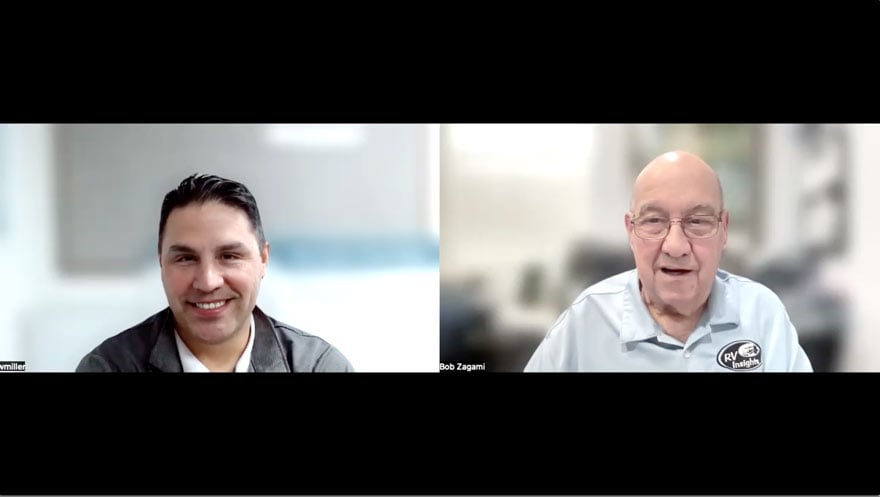
BOB: Hi. My guest today is Willie Miller, general manager at forest River, for what is affectionately known as plant 410, because it’s one of the, uh, one of the best plants they got right now. It’s cranking on all cylinders. But, uh, rather than me tell the story, will he tell the story or what? You’re where you are these days. And why? Why you’re so happy?
WILLIE: Yeah. I, um, you know, as you know, uh, with obviously your support, Bob, I’m never going to, uh, you know, not thank the people that helped get me here. But, uh, really honored to be here at forest River. Uh, we are now 18 months at our. I call it our little lemonade stand in Middlebury, Indiana. Right. Plant 410 is an amazing, uh, plant of humans that have just needed somebody that was going to bring them support, a vision, um, build them up because they were already doing fantastic work as it relates to quality. Uh, this little plant, Throughout the 60 plus brands that are made under forest River is in the top five as it relates to quality and warranty. Now, that doesn’t mean we’re perfect, but, you know, for me to be able to be given the keys of a plant that was already doing very, very well in the eyes of both dealers. And most importantly, as you and I know, our shared retail customers, um, it was very easy to just, you know, not get in people’s way and just continue to build them up and allow them to do great work.
BOB: Well, I think you did what you do. Well in terms of being the cheerleader and the leader, and you don’t shirk your your duties. You’re down in the plant, you’re talking to the people, you’re doing the work you’re showing, showcasing the product. Brands talk about the four brands that are under your responsibility right now.
WILLIE: Yep. So, you know, when I got here, this plant has historically been known as the producers of the Columbus and River ranch product. Columbus is a, you know, standard luxury fifth wheel. You know, with the identified, you know, competitors. River ranch I think is a little bit different in a different shopping aisle. It has yet to be copy and pasted, uh, which surprises me in this industry. But it’s one level living. So you have a, you know, some additional steps to get into the coach, but it’s built really similar to like, a motorhome, uh, that everything is one level. Uh, and we were doing really well with that product along this journey about six and a half months ago. Uh, Todd Martin, I want to give credit to him and his team, the Puma, uh, um, aluminum sided travel trailer division has done very, very well. Uh, so single axle, dual axle travel trailers, uh, destination trailers. And their brand has, you know, allowed them to drive more demand for other products in the category. So I think the smart thing for forest River, uh, was to, hey, let’s not drop millions of dollars and give Todd new plants. Let’s let our little buddy Willie, uh, basically be the contract manufacturer for their expansion. So we are now producing a Puma mesa and Puma Grand Mesa series of product. All within. All within the Puma brand.
BOB: Interesting. Um, when we talk about branding, you know, one of the big things for RV manufacturers, of course, are the consumer shows that, uh, kick off with the Tampa Super Show in January, uh, in terms of strategy and, and now that you’ve got this plant running at top efficiency, you’re aggressively looking for new dealers. I know you’ve got a great sales team out there. Um, what do you look for or what can consumers look for when they go to the shows next year?
WILLIE: I think what they’re going to see is really the vision that Fred Hershberger had with expanding the Puma line. Uh, we’ve all talked. We look at the industry, just like any industry outside of RV. If somebody’s starting their camping journey with a Puma single axle travel trailer and they have a great experience, what did they have to go to next? You know, typically, as we know, they start out with a single axle and then maybe they expand to a double axle. Then they want a laminated travel trailer. And then ultimately, you know, they’re going to want to get a bigger fifth wheel. And then the kids are all grown up, they’re graduated, and then they want to go back, you know, down. Well, there was no continuity on the ownership journey to say, hey, we can keep providing you, you know, a great experience, a great product and keep you in this family. And that’s really what they wanted to do with the Puma lineup. Uh, we are not walking away from a great community of owners that invested their money with Columbus and River ranch, but it’s just allowing Puma to grow and expand to more markets throughout North America. We’re along for the ride and, you know, fulfilling our obligation to continue making high quality product for that expansion. Um, and it just allows us to better serve the customers again. And we now have a chance to meet them on their journey when they’re with a travel trailer. And it’s really forcing all of us to be accountable to make sure we actually do care about them. Not just lip service, but actions over words.
BOB: Yeah, it’s a good point. Do you want to keep them in the family and have them there for different types of, uh, RVs? You know, one of the things that you’ve done since coming on board, uh, you’ve certainly raised the awareness level of those product lines. And so even though the industry is kind of leveled out right now, and we hope to see it start to go back up in early next year, we don’t worry about stuff like that, because no matter how bad it gets, you can always go out and steal market share. So what you what you brought to the marketplace is some really fresh branding, some fresh products with unique designs, unique manufacturing capabilities built in there. And now you’re setting up new dealers. So you’re actually on a growth pattern, right?
WILLIE: We are. But as you know, that’s it’s like the first kiss. I mean, now the work begins as we get more and more commitments. The expectation right. Heavy is the head that wears the crown. We now have to make sure that we are being consistent as we’re expanding in more cities throughout North America. And the most important thing, all that branding, the vinyl stickers on the front cap, they don’t mean squat. If we drop the ball and we get, we go in a bad direction of of how we’re serving people after the sale. So that can I can tell you right now, going into Tampa here in the next couple of months, you hear it from Doug Geddert every single day. He has two goals and I don’t care what the brand is. Number one, we want to be the best partner for dealers across North America. And number two, probably more importantly, we want to be the best manufacturer for a retail customer, because obviously outside of forest River, there’s other conglomerate manufacturers. We want to beat them in the relationship of how we’re serving and supporting owners throughout North America and hopefully with, you know, adding more dealers to further support on the service and fixed stop side. And we’re choosing the right partners, you know, being strategic there, that we’re making the good decisions, good partnerships to give customers that desire to go, hey, I want to stay in, you know, the Puma family or Columbus for a long period of time.
BOB: And and we can’t can’t talk about forest River without saying you mentioned Doug Geddert, who is the new CEO, a fantastic person to work with, always available to the media. Uh, and he assumed that role with the untimely death of Pete Legal, who formed, you know, he was an industry icon. He started forest River with, you know, basically one product and built it into this empire. So, uh, so we’re we’re talking to Willie Miller, the general manager of plant for ten for forest River. Uh, why don’t you wind it up with your comments on Doug and, uh, Pete?
WILLIE: The biggest thing I can tell you is, um, for the first time, I’ve been in this industry for years. I have never seen so much servant leadership from the top down. And I’m not kissing somebody. But you hear it every day. Um, you have leadership now. Communicating weekly, asking, how can we help? What do you need? What resources, support can we provide to, again, be the best supplying partner to dealers and be the best manufacturer for customers? So we’re hoping to see that message get, uh, discussed at Tampa. We’re hoping for good weather. Um, I’m trying to, uh, respect what my wife tells me to do regarding my diet and slim down a little bit for Tampa, but, uh, very, very excited to, uh, to get to Tampa and and kick off show season.
BOB: Alright, well, I’ll see you up in Tampa and I’ll put you on the scale and see how well you’re doing with that. Willie, it’s always a pleasure. Thank you very much for joining us today.
WILLIE: Thank you Bob.
RENE: You know, this got me wondering what type of RV do you have? Maybe you have a quick travel story or an easy repair tip. Leave a message at podcast.com. And we might just share it on the air.
JIM: Right. And big thanks again to all of our guests this week. Ben Quiggle from Woodall’s with John on our travel segment, Master Certified RV tech. Zeb with us on lifestyle uniques, Ricky Stuart with Rose and Glen for the RV entrepreneur and Willie Miller at Forest River with Bob for more industry insight.
RENE: And as always, find links to any resources mentioned, plus photos and the full transcript on the episode page at podcast. Com.
JIM: You know, if you enjoyed this one, please take a second to follow the podcast and leave a review. It really does help more viewers find the show.
RENE: And be sure to share this episode with your friends, especially if they’re planning a big trip this year. Shopping for rig or dealing with some mystery smell they don’t want to talk about.
JIM: Aren’t we all? Until next time.
WILLIE: Remember the vinyl stickers on the front cap? They don’t mean squat.
RV LIFE: RV LIFE Pro isn’t just a service, it’s an all in one solution designed to make your RV experience simpler and more enjoyable. From planning your trip with precision to maintaining your RV with ease, we’ve got you covered every step of the way. Don’t just survive the RV lifestyle, thrive in it. Visit rvlife.com to discover more about how RV LIFE Pro can enhance your journey.
FAQs About RV LIFE Podcast Episode 152
Large national celebrations and international events can drive campground demand and pricing far beyond normal levels, making early reservations and alternative camping options essential for securing a spot.
Water damage, neglected exterior sealants, unusual noises from slides or systems, and signs of poor maintenance are major warning signs that can lead to expensive repairs.
Answer 3
Long-term support, consistent quality, and strong dealer relationships matter more than branding, because how a company handles service and warranties directly affects the ownership experience.
The RV LIFE Podcast is presented by RV LIFE – Tools that Make RVing Simple
https://rvlife.com